Follow us
Weekly News Wrap: Hyundai Maps 26-Model India Push, Ather Goes Mainstream, JSW MG Targets 1 Lakh Sales
Hyundai outlined a major India expansion and electrification roadmap, Ather entered the mainstream scooter market with the ₹99,999 Konarc, JSW MG widened its new-energy bet with the Hector Tomahawk, while the government intensified fuel-quality checks.
 By Autocar Professional Bureau
 1650 Views


India’s automotive industry saw another eventful week between August 24 and 30, with new products, manufacturing investments and electrification plans taking centre stage.
Hyundai Motor outlined one of its most ambitious India roadmaps yet, with 26 product introductions planned by 2030, additional capacity and a target for electrified vehicles to account for half its sales. JSW MG Motor India launched the Hector Tomahawk and said it expects to cross 1 lakh annual sales in 2026, while Ather Energy moved deeper into the mass market with its new Konarc electric scooter.
Two-wheeler activity remained particularly strong. Yamaha launched the YZF-R2 and outlined plans to use India as a manufacturing and export hub, while TVS Motor overtook Ola Electric in cumulative electric two-wheeler sales. In the supply chain, MAHLE, Motherson and other component makers announced fresh manufacturing and technology investments.
Policy also returned to focus as the government stepped up checks at fuel stations amid the continuing debate around E20 petrol and fuel quality.
Here is a detailed round-up of the key developments that shaped the automotive industry during the week:
Passenger Vehicles
Hyundai Plans 26 India Launches, Capacity Expansion and 50% Electrified Mix
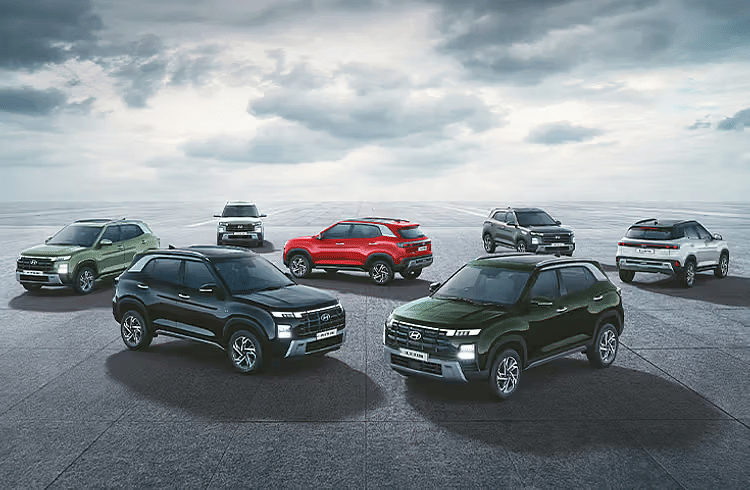
Hyundai Motor Company outlined a wide-ranging India strategy at its 2026 CEO Investor Day, identifying the country as a major manufacturing, export and growth hub.
The automaker plans 26 vehicle introductions in India by 2030. The product offensive will begin with a locally developed entry electric SUV in the fourth quarter of 2026, followed by a new internal-combustion-engine mid-size SUV. Hyundai also plans to add around 3.2 lakh units of manufacturing capacity in India and increase local sourcing to 90% by 2030. Around 30% of its India production could be exported.
Electrification will form a central part of this expansion. Hyundai expects electrified vehicles to account for 50% of its India sales by 2030, compared with an estimated 30% for the overall market. Its roadmap includes eight hybrid models and five EVs.
The company is also targeting a 30% reduction in EV material costs globally by 2030 through greater use of LFP and mid-nickel batteries, region-specific vehicles and lower-cost motors, inverters and power electronics. India is expected to benefit from this strategy through more affordable EVs.
Hyundai global CEO José Muñoz said the company’s cost position in India is more than 15% better than its global baseline, strengthening the case for using the country as a production base for overseas markets.
Separately, Hyundai Motor India integrated Jio-bp’s charging network into the myHyundai app, expanding customer access to more than 37,000 EV charging points.
JSW MG Targets 1 Lakh Sales as Hector Tomahawk Widens New-Energy Bet
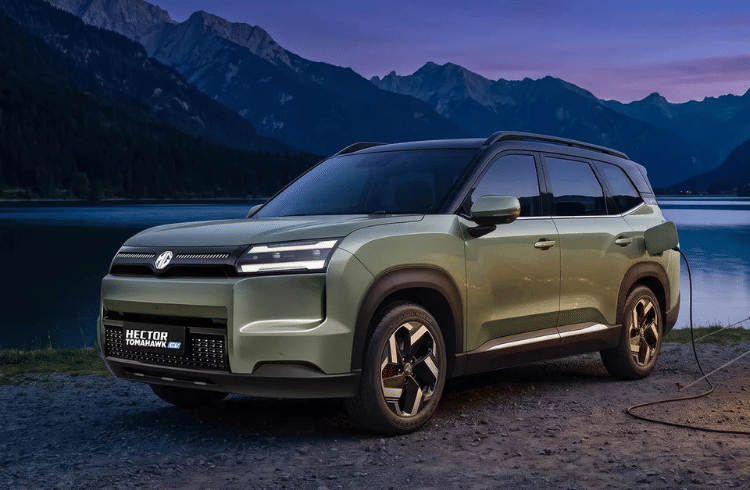 JSW MG Motor India launched the Hector Tomahawk as the first product based on its flexible ADAPT architecture and said it expects annual sales to cross 1 lakh units in 2026.
That would represent growth of at least 42% over the 70,554 vehicles sold in 2025. The company has capacity to produce around 6,000 Hector Tomahawks a month and initially expects an equal split between its battery-electric and plug-in hybrid versions.
The Hector Tomahawk EV starts at ₹19.49 lakh with the battery included, or ₹13.99 lakh under Battery-as-a-Service. The PHEV starts at ₹25.69 lakh, or ₹21.79 lakh under BaaS. The vehicle is aimed at widening MG’s addressable market by competing with both mainstream electric SUVs and diesel-powered three-row SUVs.
JSW MG is also betting on a multi-powertrain strategy rather than a purely battery-electric transition. Its ADAPT architecture can support battery-electric, plug-in hybrid, range-extender and hybrid powertrains. New-energy vehicles already account for more than 75% of MG’s sales, according to the company.
Director Parth Jindal also called for lower GST on PHEVs, arguing that the current tax structure makes it difficult to achieve pricing parity with pure EVs. PHEVs currently attract substantially higher taxation than battery-electric vehicles.
The automaker plans to increase localisation of both the Windsor and Hector Tomahawk to around 70% by the end of 2027.
Tata Motors Brings PV Business Under Tata.Cars Identity, Adds 5G to Sierra.ev
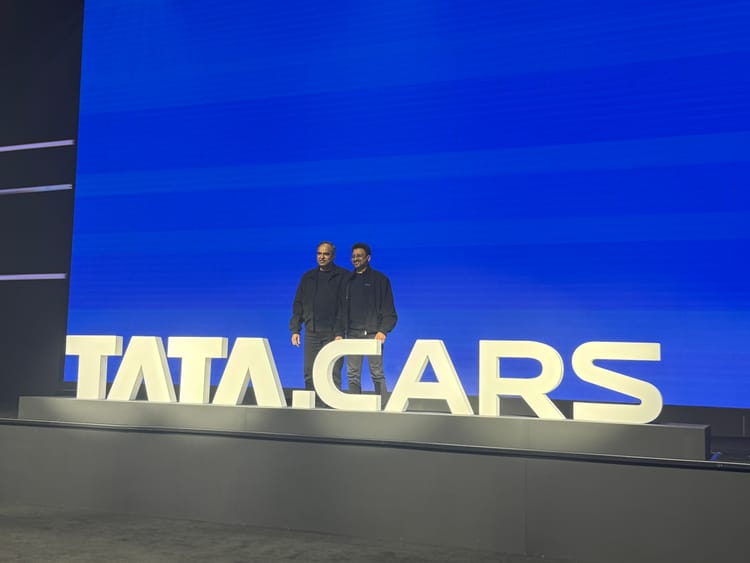 Tata Motors introduced Tata.Cars as the new customer-facing identity for its passenger vehicle business. The branding will progressively appear across dealerships, digital channels, after-sales operations and marketing, although Tata Motors Passenger Vehicles will remain the legal corporate entity. Tata.ev will continue as the dedicated electric vehicle sub-brand.
Separately, Tata Motors Passenger Vehicles partnered Tata Communications to provide built-in 5G connectivity for the Sierra.ev. Tata Communications’ MOVE platform will work with Tata’s N.IO software-defined vehicle architecture to enable over-the-air software updates, remote diagnostics and other connected services.
Mahindra Expands Battery-as-a-Service Across Electric SUV Range
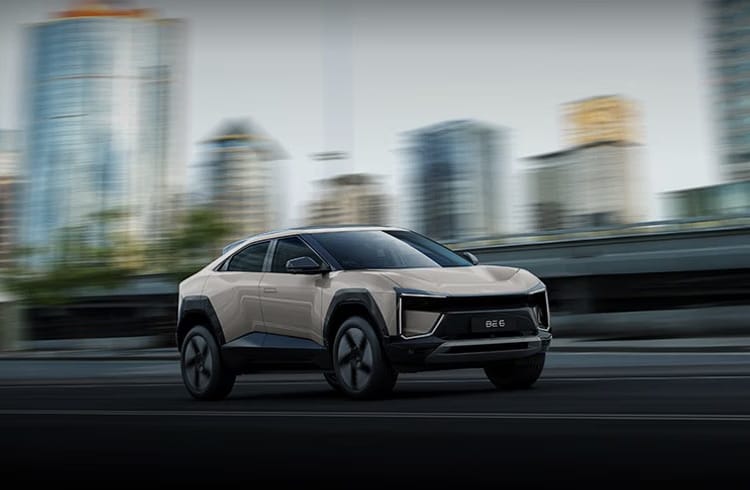 Mahindra expanded its Battery-as-a-Service financing programme across its Electric Origin SUV portfolio, covering the BE 6 SPORTEQ, XEV 9S and XEV 9e.
Under the dual-financing structure, vehicle prices start at ₹11.45 lakh for the BE 6 SPORTEQ, ₹12.65 lakh for the XEV 9S and ₹13.90 lakh for the XEV 9e, with the battery financed separately. Mahindra has indicated an effective battery financing cost starting at ₹3.75 per kilometre under specified usage and financing assumptions.
Toyota India Revenue Crosses ₹70,000 Crore
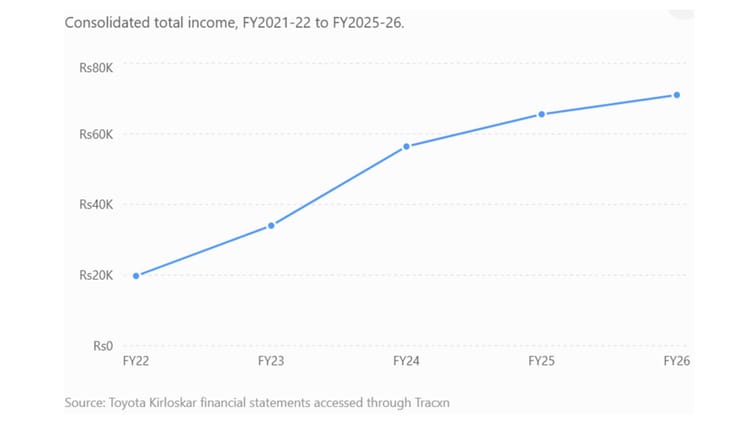 Toyota Kirloskar Motor’s consolidated revenue from operations rose 8.8% to ₹70,577.8 crore in FY26, growing faster than Toyota Motor Corporation’s global automotive business.
The Indian company reported an operating margin of 10.3% on the reported numbers, compared with Toyota’s 7.4% global consolidated margin, although the comparison is not directly like-for-like. Net profit declined 8% as costs increased.
Volkswagen Eyes More Niche Models Under India-EU FTA
 Volkswagen said the India-EU Free Trade Agreement could open opportunities to bring more niche global models to India.
Brand CEO Thomas Schäfer said the company would assess individual products and market conditions before deciding on imports. Volkswagen is separately preparing a locally manufactured sub-four-metre SUV based on the Skoda Kylaq architecture.
Meanwhile, Volkswagen’s long-running customs dispute could complicate the group’s search for a local strategic partner in India.
Porsche also confirmed that the Cayenne Electric will make its India debut on September 30. The electric SUV uses a 113kWh battery, offers a claimed range of up to 642km and is priced from ₹1.76 crore.
Two-Wheelers
Ather Takes Konarc Into Mass Market, Plans Up to 2,000 Stores
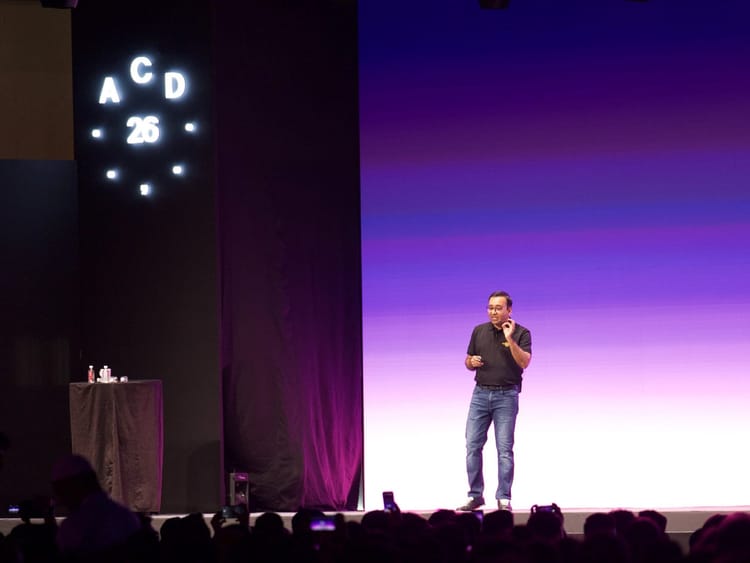 Ather Energy made its biggest move yet into India’s mainstream scooter market with the launch of the Konarc, priced from ₹99,999.
Based on Ather’s new EL platform, the Konarc is offered with four range options extending up to 200km and positions the company directly against high-volume electric as well as petrol scooters. Ather expects the new platform to support greater manufacturing scale and eventually deliver stronger gross margins than the Rizta.
The company plans to expand its retail network to between 1,800 and 2,000 outlets over the next two years, more than doubling its current footprint. Deliveries of the Konarc are scheduled to begin in September, while additional capacity will become available through Ather’s new Aurangabad plant.
The launch comes as Ather’s volumes accelerate. It had sold more than 2.25 lakh scooters between January 1 and August 27, up 82% year-on-year, and is on course to cross 3.5 lakh units in calendar 2026.
Hero MotoCorp also deepened its financial exposure to Ather during the week. Its board approved the purchase of additional shares worth up to ₹1,758 crore, which is expected to increase its holding from 29.88% to around 32.8%.
Yamaha Launches R2, Eyes 1.1 Million Sales and More India Capacity
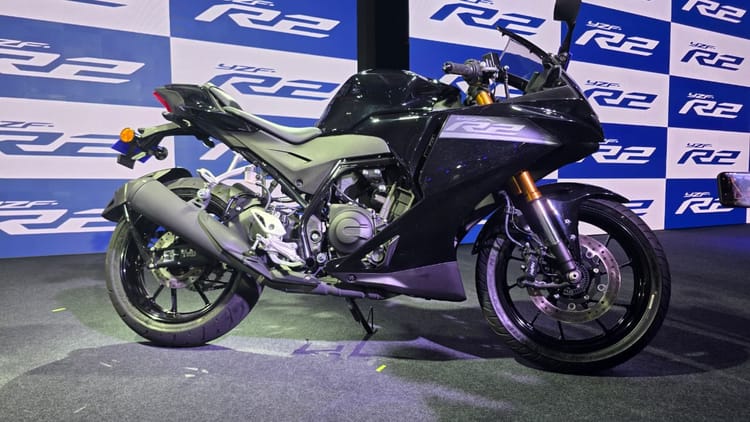 Yamaha Motor stepped up its India ambitions with the global debut of the new YZF-R2 and plans to position the country as a manufacturing, engineering and export hub.
The 204cc YZF-R2 has been launched at prices starting at ₹2.30 lakh and sits above the R15 in Yamaha’s domestic supersport portfolio.
The company is targeting annual R2 volumes of around one lakh units, with about 50,000 expected to be sold in India and the balance exported to markets including Europe, Japan and Taiwan.
Yamaha expects its overall India volumes, including exports, to exceed 1.1 million units in 2026 as festive demand and the new motorcycle support second-half sales.
The Japanese two-wheeler maker has also begun evaluating additional manufacturing capacity. Its Surajpur and Kanchipuram plants together have capacity of around 1.5 million units a year, which Yamaha expects to fully utilise within two to three years.
TVS Overtakes Ola in Cumulative EV Sales, Names New CEO
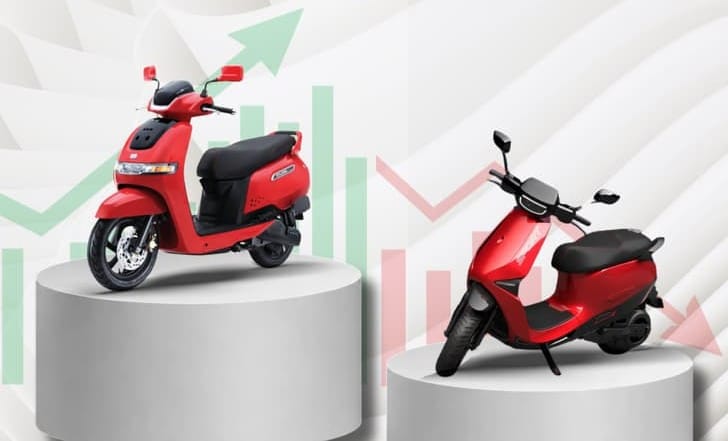 TVS Motor overtook Ola Electric to become India’s largest electric two-wheeler manufacturer on cumulative retail sales.
According to Vahan data, TVS had registered around 11.28 lakh electric two-wheelers by August 24, moving ahead of Ola. TVS also held around 29% of the electric two-wheeler market in calendar 2026 to date, against about 7% for Ola.
TVS also launched a MillionR special edition of the iQube during the week and announced a major leadership transition. Peyman Kargar, currently President of International Business, will take over as Director and CEO on January 27, 2027. K N Radhakrishnan will step down as CEO and subsequently remain a non-executive director until the company’s AGM in July 2027.
Ola Launches S1Z With In-House LFP Cells
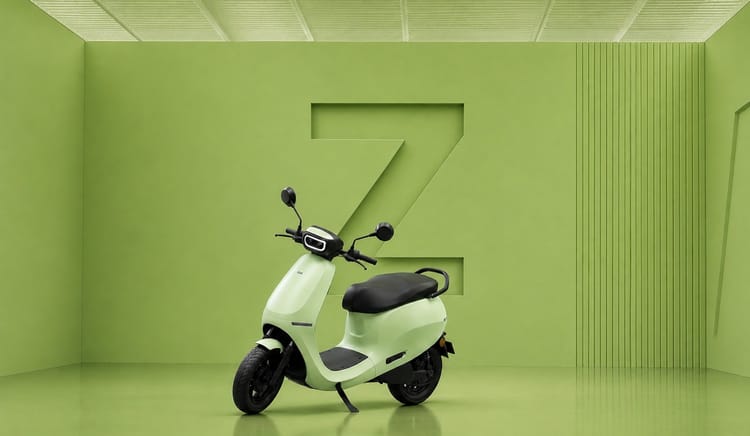 Ola Electric launched the S1Z at prices between ₹79,999 and ₹99,999, marking the first mass-market application of its in-house LFP battery cells.
The scooter uses cells from Ola’s Bharat Cell platform, developed in Bengaluru and manufactured at its Tamil Nadu Gigafactory. The S1Z will also become Ola’s first model to be sold through dealer-operated outlets as the company broadens its retail model.
Bajaj Auto, meanwhile, continued its planned 10-model product refresh with new versions of the Pulsar 125 and Pulsar 150, while Honda Motorcycle & Scooter India launched the ADV160 and Rebel 300. The ADV160 is compatible with ethanol blends of up to E85.
Commercial Vehicles and Three-Wheelers
Olectra Draws Up Five-Fold Growth Plan, Eyes Electric Trucks
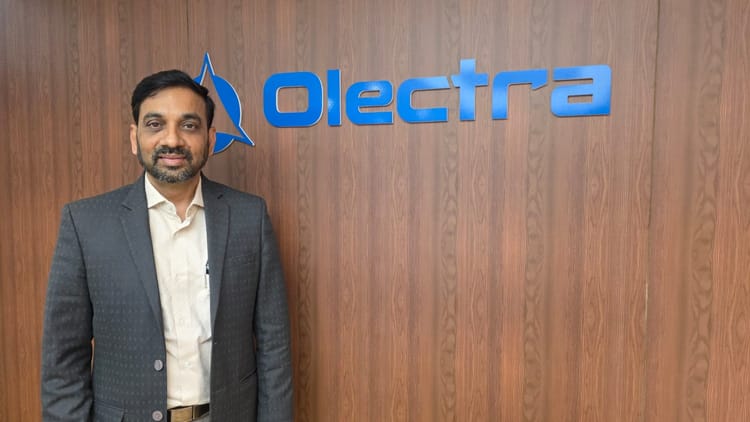 Olectra Greentech outlined an ambitious next phase of expansion, targeting five-fold growth over three years as it scales its electric bus operations and prepares to expand into electric trucks.
Managing Director Mahesh Babu also said the company is working towards building a business capable of reaching a $10 billion valuation over the next decade. Olectra currently has a market valuation of around $1.3 billion and has delivered more than 4,000 electric buses in India.
Mahindra Last Mile Mobility Studies New Capacity Ahead of IPO
 Mahindra Last Mile Mobility is evaluating additional production capacity, including both brownfield and greenfield options, as electric three-wheeler penetration rises faster than expected.
The company’s Zaheerabad plant has installed capacity of around 2 lakh vehicles annually. Electric models accounted for around 40% of its passenger three-wheeler volumes in Q1, with the share expected to approach 50%.
Mahindra LMM expects electric penetration in the passenger three-wheeler market to eventually reach 70-80% and is beginning capacity planning ahead of its proposed 2027 IPO.
Omega Seiki Raises Fresh Capital for Capacity and Retail Expansion
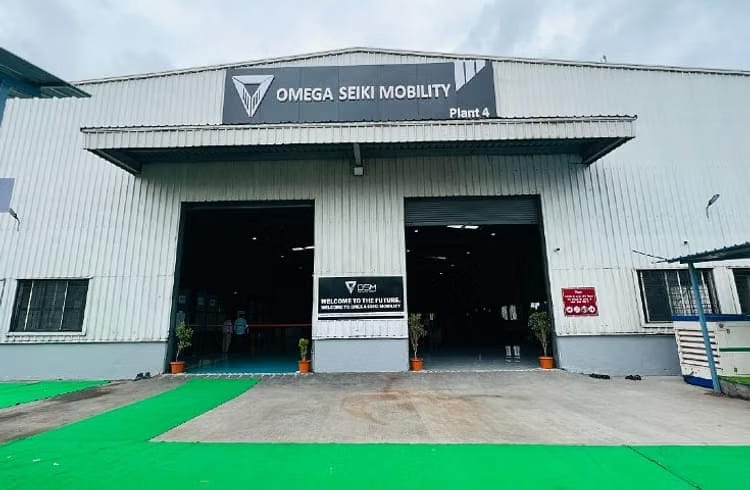 Omega Seiki Mobility raised another ₹50 crore to expand manufacturing, R&D and its sales and service network.
The fresh round follows another ₹50 crore fundraise earlier in August. The commercial EV maker plans to increase its domestic retail and service footprint from about 150 touchpoints to 250 by FY28 and is also preparing for an IPO.
EV-focused lender AMU, meanwhile, set a target to increase assets under management to ₹400 crore by March 2027 and ₹600 crore a year later as commercial EV financing expands.
Auto Components and Manufacturing
MAHLE Starts Local E-Compressor Production in Coimbatore
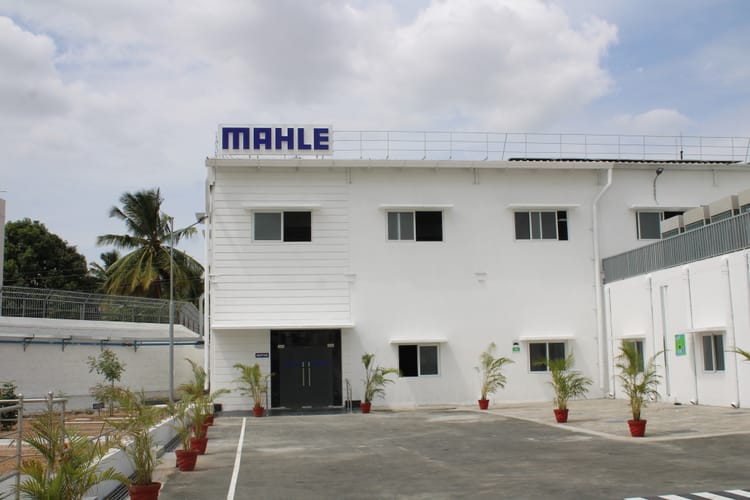 MAHLE began commercial production of electric compressors at its Coimbatore facility following an investment of €7 million, or around ₹65 crore.
The plant can manufacture more than 3 lakh e-compressors annually and establishes MAHLE’s first dedicated local production capacity for the component in India. E-compressors are used for cabin and battery thermal management in electric vehicles.
Motherson Starts Production at ₹94-Crore Electronics Plant
 Samvardhana Motherson began production at a new ₹94-crore greenfield electronics facility in Pune through Motherson Electro Components.
The plant has initial annual capacity of around 1.5 million units and will manufacture printed circuit board assemblies, electronic control units and other automotive electronics. The investment strengthens Motherson’s in-house electronics sourcing capabilities.
Gabriel India Makes ₹935-Crore ADAS Bet
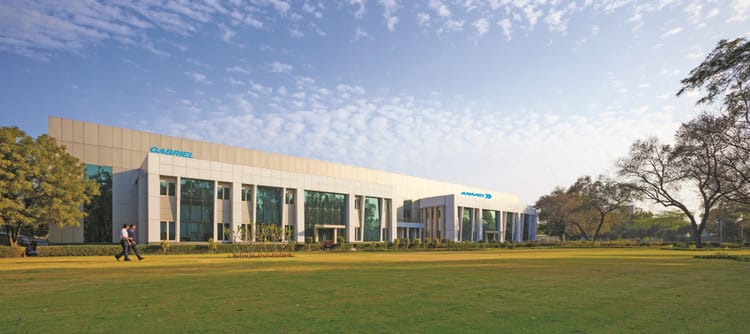 Gabriel India entered into a strategic partnership with South Korea’s HL Klemove and agreed to acquire a 30% stake in HL Klemove India for around ₹935 crore.
The venture will develop and manufacture ADAS, autonomous-driving and automotive electronics products, including radar, cameras, lidar, parking controllers, brake and steering ECUs and embedded software.
VECV Components Business Crosses ₹2,700 Crore Revenue
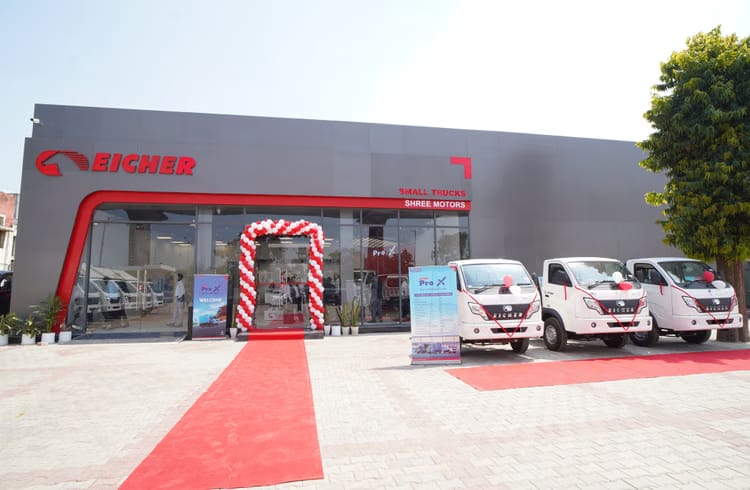 Eicher Engineering Components, part of Volvo Eicher Commercial Vehicles, reported its highest-ever annual revenue of ₹2,702.7 crore, including captive sales, in FY26, up 34% year-on-year.
The growth came as parent VECV crossed the 1 lakh annual vehicle-sales mark for the first time, delivering 1,03,404 trucks and buses during FY26.
India Pushes Further Into EV Magnets and Power Electronics
 Nexon Geochem completed the first phase of technical evaluation of Indian raw materials with Russian partner Giredmet for domestic production of high-performance Nd-Fe-B permanent magnets. The company will now move towards pilot production, qualification and domestic customer validation.
Hyderabad-based Leanwatts raised around $2 million, or ₹18.15 crore, to expand manufacturing and develop power-electronics platforms for electric mobility and energy applications.
India’s tyre industry also posted strong export growth. Tyre exports rose 16% to around ₹7,700 crore in Q1 FY27, while passenger-car radial tyre exports increased 21%. Europe accounted for nearly 40% of total exports during the quarter.
However, domestic tyre makers face a margin squeeze. Crisil expects operating margins to fall by 200-250 basis points to around 11.5-12% in FY27 as higher natural-rubber and crude-linked input costs outpace price increases.
Industry, Policy and Market Developments
Government Steps Up Fuel-Quality Checks Amid E20 Debate
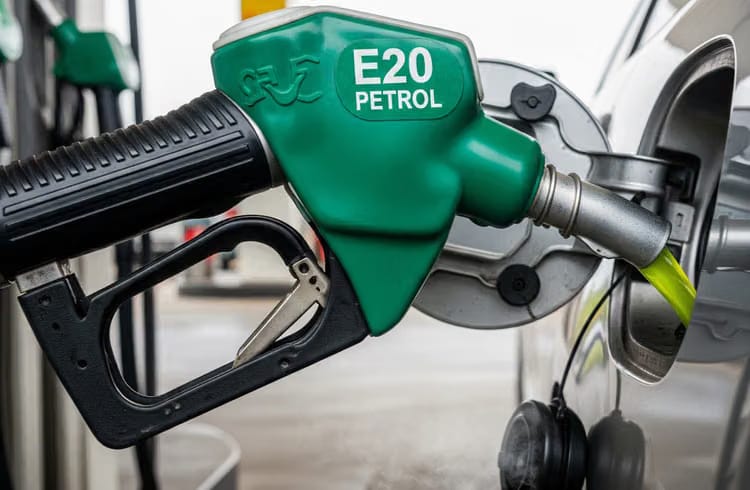 The Petroleum Ministry intensified fuel-quality checks across the country as concerns around E20 petrol continued to attract attention.
A nationwide audit covered more than 84,000 fuel stations, while water-monitoring probes were active at more than 85,000 outlets. Fuel dispensing at some pumps and dispensers was temporarily stopped where equipment or monitoring systems did not meet prescribed requirements.
The government has also mandated repeated water-ingress testing of underground tanks and increased sulphur and chloride testing of ethanol-carrying tankers. The action follows concerns raised around fuel contamination and a subsequently withdrawn SIAM communication on chloride levels in E20 samples.
Maharashtra Leads PV Sales, Uttar Pradesh Tops Two-Wheeler Market
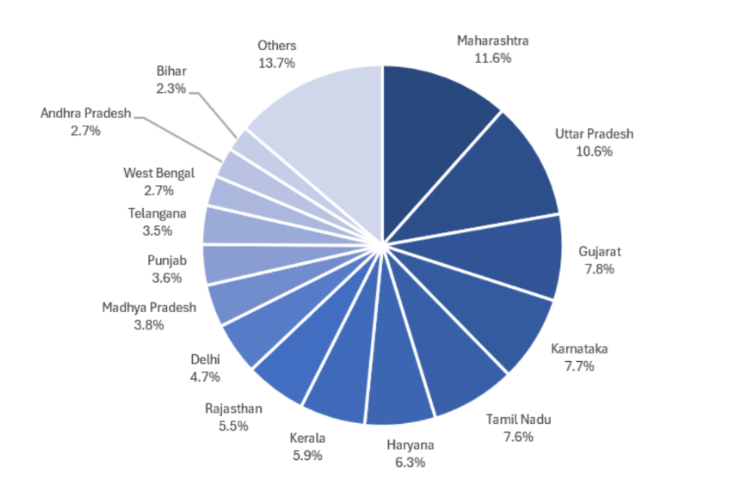 Maharashtra and Uttar Pradesh remained among the country’s largest automotive markets in Q1 FY27.
India recorded passenger vehicle sales of 12.74 lakh units during the quarter, with the western region accounting for 3.90 lakh. Maharashtra was the largest state passenger vehicle market with an 11.6% share, while Uttar Pradesh remained particularly strong in two-wheelers.
Tractor Growth Expected to Moderate in FY27
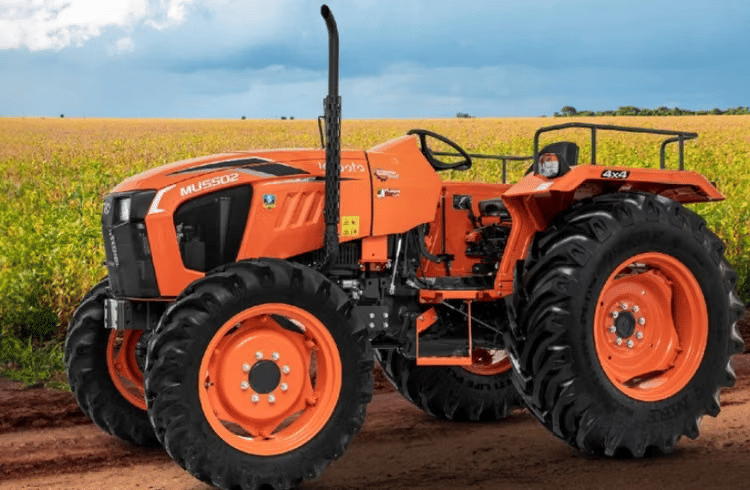 India’s tractor wholesales increased 20.1% year-on-year in July, while retail volumes rose 28.3%.
ICRA, however, expects full-year FY27 wholesale growth to moderate to 1-4% following the strong expansion recorded in FY26, with the high base and monsoon conditions among the factors influencing the outlook.
Honda Sets Up ₹4.8-Crore Digital Mobility Innovation Programme
 Honda Digital Innovation India partnered T-Hub for the second edition of its innovation challenge, committing up to ₹4.8 crore to work with startups on digital mobility and customer-experience technologies.
The programme will run three cohorts and provide selected startups with funding of up to ₹40 lakh each to develop proof-of-concept solutions alongside Honda’s engineering and business teams.

RELATED ARTICLES

Moving Tech Innovations Plans to Expand Open Mobility Model in Europe
 Arunima Pal
 15 Oct 2026
The Bengaluru-based company presented its approach to locally governed public mobility infrastructure at the World Econo...


Jindal Stainless Deploys 10 Electric Trucks for Finished Goods Transportation
Arunima Pal
15 Oct 2026
The company expects its electric, LNG and CNG vehicle fleet to reduce carbon dioxide emissions by around 71 tonnes per m...

Auto Sales up 18.2% in July-Sept, PV Sales Rise 30.7%
Arunima Pal
15 Oct 2026
Total domestic sales across categories were 83,87,938 units in the quarter, up 18.2% from 70,98,111 a year earlier.