Follow us
Weekly News Wrap: Tata Motors’ PV-CV Ambitions, Bajaj’s FY27 Priorities, Geely-Backed Deal Nears Clearance
Tata Motors laid out aggressive growth plans for its passenger and commercial vehicle businesses, Bajaj Auto identified its FY27 priorities, and India moved closer to approving a $370 million Geely-backed powertrain investment.
 28 Jun 2026
 2907 Views
Share -
2907 Views
Share -


The Indian automotive industry saw a week of ambitious growth targets, new technology regulations, supply-chain interventions and fresh signs of improving investment ties with China.
Tata Motors dominated the week’s developments by outlining detailed roadmaps for both its passenger vehicle and commercial vehicle businesses. Its passenger vehicle arm plans to more than double annual sales to over 12 lakh units by FY31, expand its portfolio from nine to 15 nameplates and target an 18-20% share of the domestic market. More than 20 product interventions are planned over the next five years, including six all-new nameplates, facelifts, derivatives and wider powertrain choices.
Electric vehicles will remain central to this strategy, with the Sierra.ev, Safari.ev and Avinya expected to lead the next phase of growth. Tata Motors expects EVs and CNG vehicles together to account for about 45% of the Indian passenger vehicle market by FY31. The company is also targeting consolidated revenue of more than ₹6 lakh crore, a 10% EBIT margin and profit before tax and exceptional items of over ₹50,000 crore by the end of the period.
The commercial vehicle business has set equally aggressive goals. Tata Motors is targeting a 40% domestic market share by FY28, double-digit EBITDA margins through the cycle and a 30-35% return on capital employed following the proposed IVECO acquisition. It plans to support this growth through new products, digital platforms, flexible operations and strategic supply-chain derisking.
A key part of the CV strategy will be the turnaround of the small commercial vehicle and pickup division. The automaker plans to launch four new SCVs and five pickups in FY27, while also evaluating the introduction of IVECO mining tippers and daily minibuses in India. It will begin trials of a 2% isobutanol-diesel blend in the second quarter of FY27.
Bajaj Auto also outlined its priorities for the year ahead. The company plans to strengthen its position in the domestic 125cc-plus motorcycle segment, accelerate growth at Chetak, KTM and Triumph, and step up exports. It will also expand capacity for electric vehicles and premium motorcycles, develop alternative materials and sources, and continue efforts to restore KTM to sustainable financial performance.
India’s evolving relationship with Chinese-linked automotive investment was another major theme. The government is expected to approve a roughly $370 million investment from Horse Powertrain, the hybrid-engine venture backed by Renault and China’s Geely. The proposed investment could support the production of advanced hybrid powertrains and engines in India and would rank among the largest Chinese-linked manufacturing investments approved in recent years.
At the regulatory level, the government published draft rules that would make cybersecurity and software-update management mandatory for certain categories of connected and autonomous vehicles. The Heavy Industries Ministry also extended the global tender deadline for its rare-earth magnet manufacturing programme as the industry works to reduce its dependence on imported critical materials.
Elsewhere, Renault India commenced exports of the new Duster, Tata Motors secured orders for more than 3,400 electric commercial vehicles, and Bajaj Auto signed an agreement with Delhivery for last-mile fleet electrification. TVS Motor began production of Norton’s Atlas platform at its Hosur facility.
Global developments remained equally significant. Volkswagen was reported to be considering a sweeping restructuring that could put up to 100,000 jobs and four German plants at risk. Bosch named Christian Fischer as its next chief executive, while suppliers such as ZF and Valeo outlined profitability-led and technology-focused strategies for their next phase of growth.
Here is a detailed round-up of the key developments that shaped the automotive industry during the week:
India Drafts Mandatory Cybersecurity, Software-Update Rules for Connected and Autonomous Vehicles
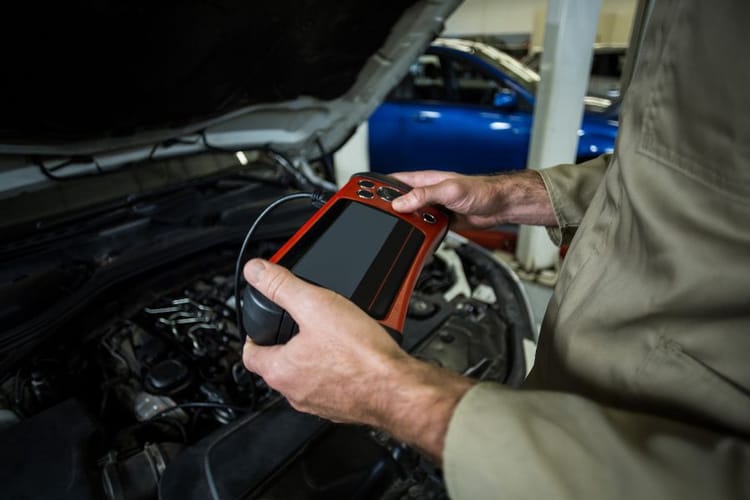 The Ministry of Road Transport and Highways has published draft rules that would, for the first time, make cybersecurity and software-update management legal requirements for certain categories of motor vehicles, moving the country toward a regulatory standard already in force across the European Union, Japan and South Korea.
The notification proposes inserting two new provisions—Rules 125-T and 125-U—into the Central Motor Vehicles Rules, 1989. The draft is open for public comment for 30 days before the government finalizes it.
Heavy Industries Ministry Extends Global Tender Deadline for Rare Earth Magnet Manufacturing Scheme
Tata Motors PV Charts Five-Year Growth Plan Around New Models, EVs and Manufacturing Flexibility
Tata Motors Passenger Vehicles has laid out an ambitious five-year growth plan aimed at more than doubling its India sales to over 12 lakh units and increasing consolidated revenue to more than ₹6 lakh crore by FY31. The automaker is targeting an 18-20% share of the domestic passenger vehicle market, backed by more than 20 product interventions, including six new nameplates, a wider range of powertrains and a sharp increase in electric vehicle sales. Models such as the Sierra.ev, Safari.ev and Avinya will lead the next phase of its EV expansion, as the company expects EVs and CNG vehicles to account for nearly 45% of the market by FY31.
To support this growth, Tata Motors is creating a more flexible manufacturing network that can produce multiple models across plants, while using AI, digital twins and advanced software validation to improve product development, manufacturing and after-sales service. Quality will be a key focus as the company seeks to improve customer experience and profitability. Tata Motors is targeting a 10% EBIT margin and profit before tax and exceptional items of more than ₹50,000 crore by FY31. Separately, Jaguar Land Rover is recalling more than 250,000 luxury SUVs in the US.
Renault India Commences Exports for New Duster
Tata Motors Resets CV Strategy With New Products, Digital Platforms and IVECO Push
Tata Motors is undertaking a broad reset of its commercial vehicle business, combining new products, digital platforms, data-led operations and supply-chain derisking to drive its next phase of growth. The company is targeting a 40% domestic market share by FY28, double-digit EBITDA margins through the cycle and a 30-35% return on capital employed following the proposed IVECO acquisition. It is also evaluating the introduction of IVECO mining tippers and Daily minibuses in India, while its digital arm shifts from standalone products to a wider platform-led model supported by nearly 12 petabytes of data.
A key focus is the turnaround of the small commercial vehicle and pickup business, which has faced three consecutive years of declining sales and market share. Tata Motors plans to launch four new SCVs and five pickups in FY27 as it rebuilds the division around stronger products, distribution and operational execution. At the same time, the company is adopting calibrated pricing and strategic sourcing to manage geopolitical and commodity risks. It will also begin trials of a 2% isobutanol-diesel blend in the second quarter of FY27, in partnership with government agencies, oil companies and testing bodies.
Haryana Uses Tax Waivers To Drive Commercial Fleet Renewal In NCR
Bajaj Auto to Sharpen Focus on 125cc-Plus Bikes, Chetak and Exports in FY27: Chairman
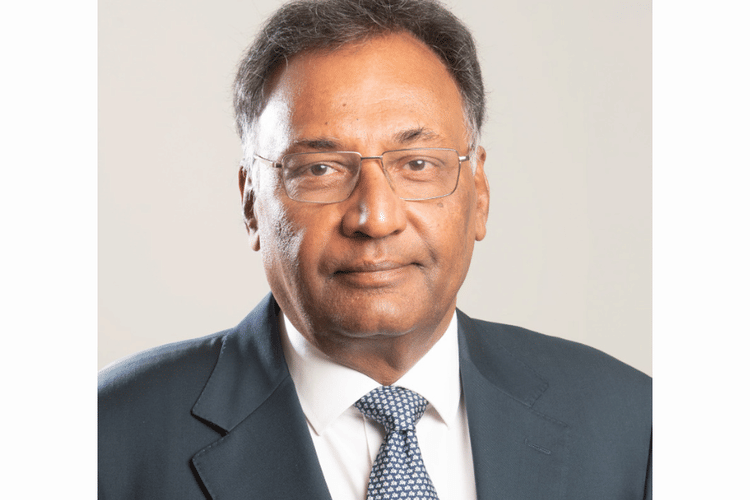 Bajaj Auto will sharpen its focus on the domestic 125cc-plus motorcycle segment, accelerate the growth of Chetak, KTM and Triumph, and step up exports in FY27, even as geopolitical tensions, commodity inflation and supply-chain disruptions cloud the operating environment.
The automaker will also expand capacity for its electric vehicle and premium motorcycle portfolios, develop alternative materials and supply sources, and continue efforts to return KTM to sustainable financial performance, Chairman Niraj Bajaj said in the company’s FY26 annual report.
Bajaj Auto Reports Ransomware Attack, Says Operations Safeguarded After Swift Response
Bajaj Auto Signs Commercial Agreement with Delhivery for Last-Mile Fleet Electrification
TVS Motor Company Commences Production of Norton Atlas Platform at Hosur Plant
Up to 100,000 Jobs, Four German Plants at Risk in Sweeping Volkswagen Restructuring Plan
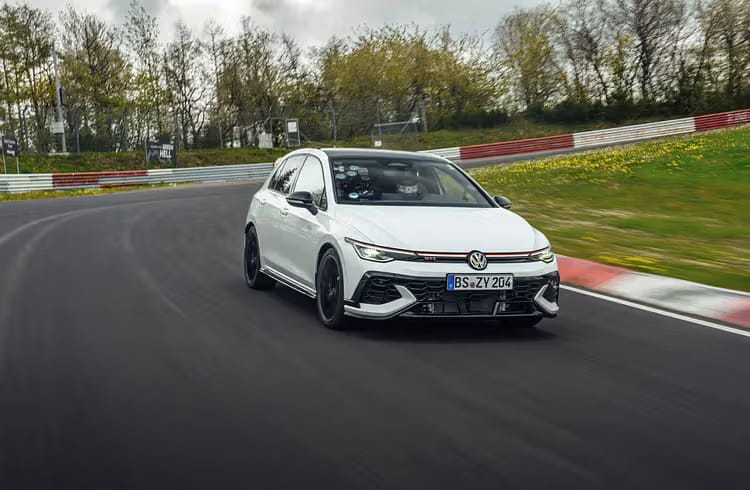 Volkswagen Group is considering a sweeping structural overhaul that could result in up to 100,000 job cuts and the closure of four manufacturing facilities in Germany, according to reports by Reuters. The proposed consolidation follows escalating pressure on established European automakers by Chinese competitors.
The restructuring roadmap, which was initially disclosed by Manager Magazin, was presented by CEO Oliver Blume to senior leadership earlier in the week. The supervisory board has been briefed on the details, and a formal review of the strategy is scheduled for a meeting on July 9, 2026. Under the current proposals, the manufacturer is evaluating the closure of plants in Emden, Hanover, and Zwickau, alongside Audi's Neckarsulm site. Shutting down these locations would directly jeopardize more than 45,000 positions, compounding a separate reduction of 50,000 jobs previously negotiated with labor representatives in late 2024.
Zelio E-Mobility to Add 250 Jobs This Fiscal, Cross 500 Employees
India Set to Clear $370 Million Geely-Backed Investment as China Ties Improve
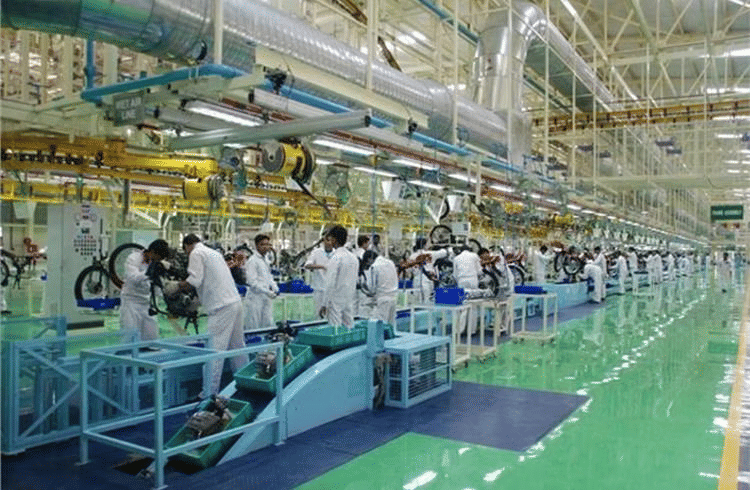 India is expected to approve an investment of roughly $370 million from Horse Powertrain Ltd., a hybrid-engine joint venture backed by China's Zhejiang Geely Holding Group Co., Bloomberg News reported, citing people familiar with the matter. According to the report, the move would be among the largest manufacturing investments from a Chinese-linked company in India in years.
The investment would allow Horse Powertrain — whose other major shareholder is France's Renault SA — to put capital into Renault's manufacturing operations in India, Bloomberg said. The people, who asked not to be named because the discussions are private, told Bloomberg that Horse plans to build advanced hybrid powertrains and engines in the country.
India to Get China-spec Long-wheelbase BMW X5 in Late 2027
Chinese EV Technology Gains Ground in India Despite Curbs on Automakers
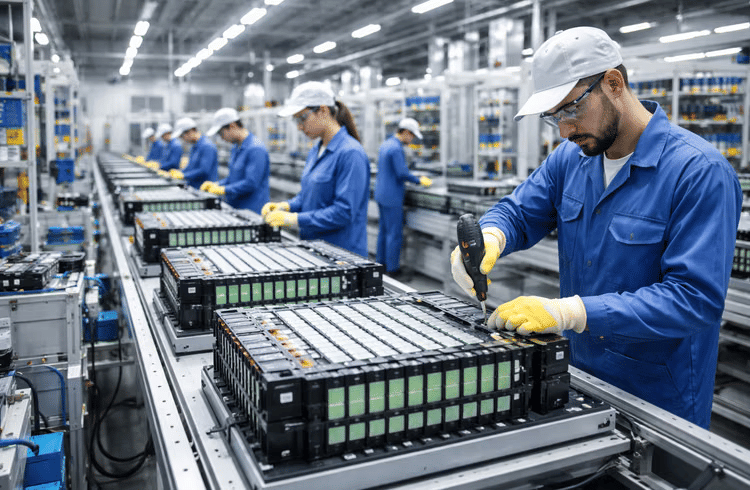 Chinese automakers continue to be excluded from operating directly in India, but their electric-vehicle technology is making inroads into the country's car market through licensing and supply arrangements, according to a Reuters report.
India has largely kept Chinese companies out of its market since 2020, and Beijing has since tightened controls on exporting its technological know-how. Even so, industry ties between the two countries are deepening, Reuters reported.
JSW Green Mobility Invests in Lithium Urban to Expand Enterprise EV Mobility
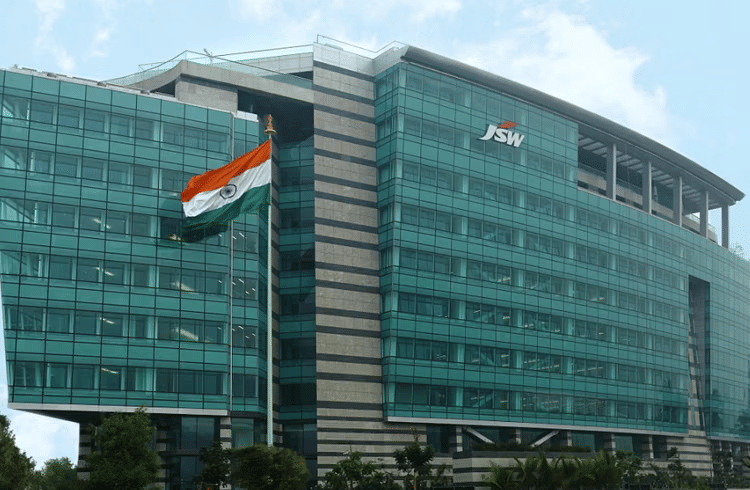 JSW Green Mobility has made a strategic investment in enterprise electric mobility company Lithium Urban Technologies, marking its entry into the company's next phase of expansion as demand for electric fleet solutions grows across corporate and digital mobility segments.
The financial terms of the transaction were not disclosed.
Backed by Eversource Capital, Lithium Urban Technologies operates an integrated enterprise mobility platform comprising electric fleets, charging infrastructure, fleet intelligence systems and centralised operations. The company currently manages more than 25,000 trips a day through a network of over 3,000 electric vehicles and 1,300 charging points, serving more than 100 enterprise customers.
From Everywhere to Somewhere: ZF's Profitability-First Reset
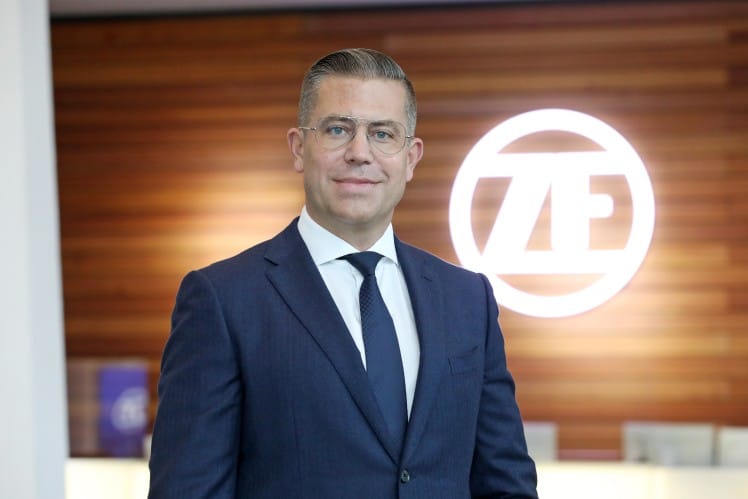 "There was a period where big automotive suppliers thought they could do everything."
ZF CEO Matthias Miedreich is speaking about an era that helped define the modern automotive supplier industry. It was a period when electrification, autonomous driving and software promised to reshape mobility, prompting suppliers to expand aggressively in search of future growth.
ZF was among the biggest believers. The acquisitions of TRW Automotive and WABCO transformed the German company into one of the world's largest automotive technology suppliers, with businesses spanning vehicle safety, advanced driver assistance systems, commercial vehicles, electrified powertrains, software, electronics and industrial.
Valeo: Betting on India's Autotech Shift
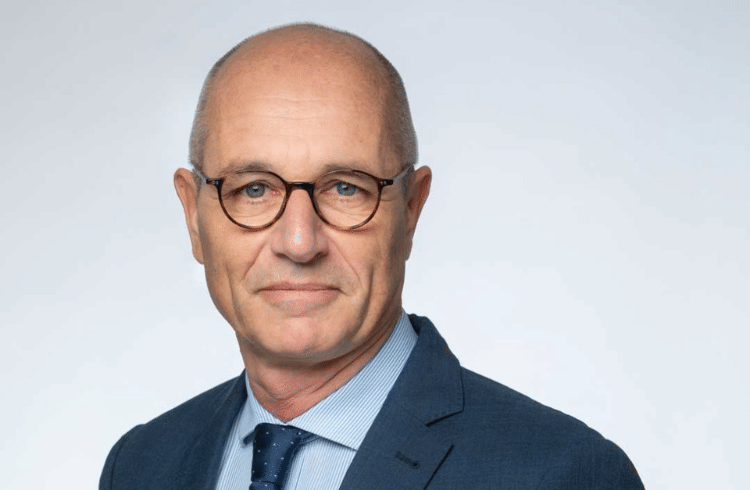 China today accounts for roughly 17% of Valeo's global revenues. India contributes around 1%. For Christophe Périllat, Chief Executive Officer of Valeo, the difference is not rooted in market potential. Rather, it reflects the differing stages of technological evolution within the two automotive industries. China's automotive sector spent much of the past decade rapidly embracing electrification, advanced driver assistance systems (ADAS), connectivity and software-defined vehicle architectures. The result was a significant increase in technology content per vehicle, creating substantial opportunities for suppliers focused on electronics, sensors, software and electrified powertrains.
Hinduja Group Leverages Ashok Leyland Foundation for Strategic Social Expansion; Cumulative Outlay Hits Rs 220 Crore
 The Hinduja Group, a global conglomerate with deep roots in the automotive sector, is significantly scaling its corporate social responsibility (CSR) investments through the Ashok Leyland Foundation. Over the past decade, the group has cumulatively invested between Rs 210- 220 crore in its flagship social initiatives, moving beyond simple compliance to a structured, independent impact model.
While Ashok Leyland’s annual CSR spend typically averages around ₹40 crore, the group is projected to increase its layout to ₹60 crore this year to facilitate large-scale expansions in states such as Jharkhand, Uttar Pradesh, and the union territory of Jammu & Kashmir. This financial trajectory supports a long-term roadmap to reach 1 million children by 2029, up from the current reach of over 6.26 lakh lives.
Bharat Seats Charts Toward Proprietary IP and Technical Independence
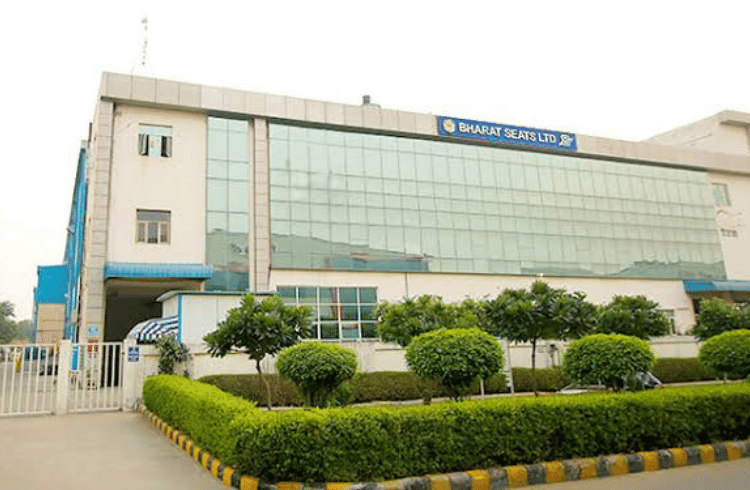 Bharat Seats Limited (BSL) is charting a course toward total technical autonomy, with a long-term R&D strategy focused on developing proprietary safety devices and scaling its engineering capacity. According to the company's FY2025-26 annual report, BSL is moving beyond assembly to create its own intellectual property, specifically targeting the development of Seat Belt Reminders (SBR) and latches while expanding its R&D manpower and software infrastructure to meet the demands of FY27 and beyond.
Bharat Seats Targets Rs 1,000 Crore in Supplies for Suzuki Motorcycle's Expanding Business
Expert Corner
How India’s Ethanol Economics Differ From Brazil And The US
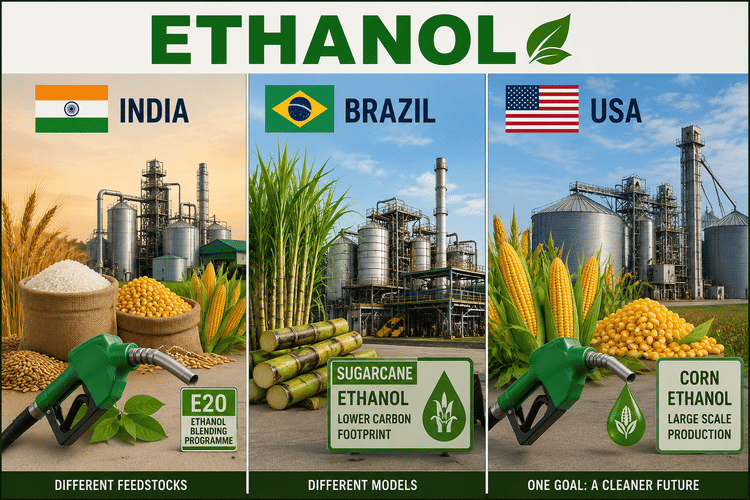 India has rapidly expanded its ethanol production ecosystem over the past few years to support the country's blending programme, but the economics of producing ethanol remain structurally different from those of mature markets such as Brazil and the US. According to Krishna Mohan Puvvada, Regional President for the Middle East, India and Africa (MEIA) at Novonesis, the differences stem less from biosolutions itself and more from feedstock choices, plant scale, engineering maturity and decades of industrial evolution.
Speaking to Autocar Professional, Puvvada said India has established the agricultural base, policy support and production infrastructure needed to support higher ethanol blends beyond E20. In his view, the country's future ethanol requirements can be met without difficulty, but improving production economics will increasingly become the industry's next focus.
How China's Automotive Playbook Is Shaping the Cars India Will Drive Next
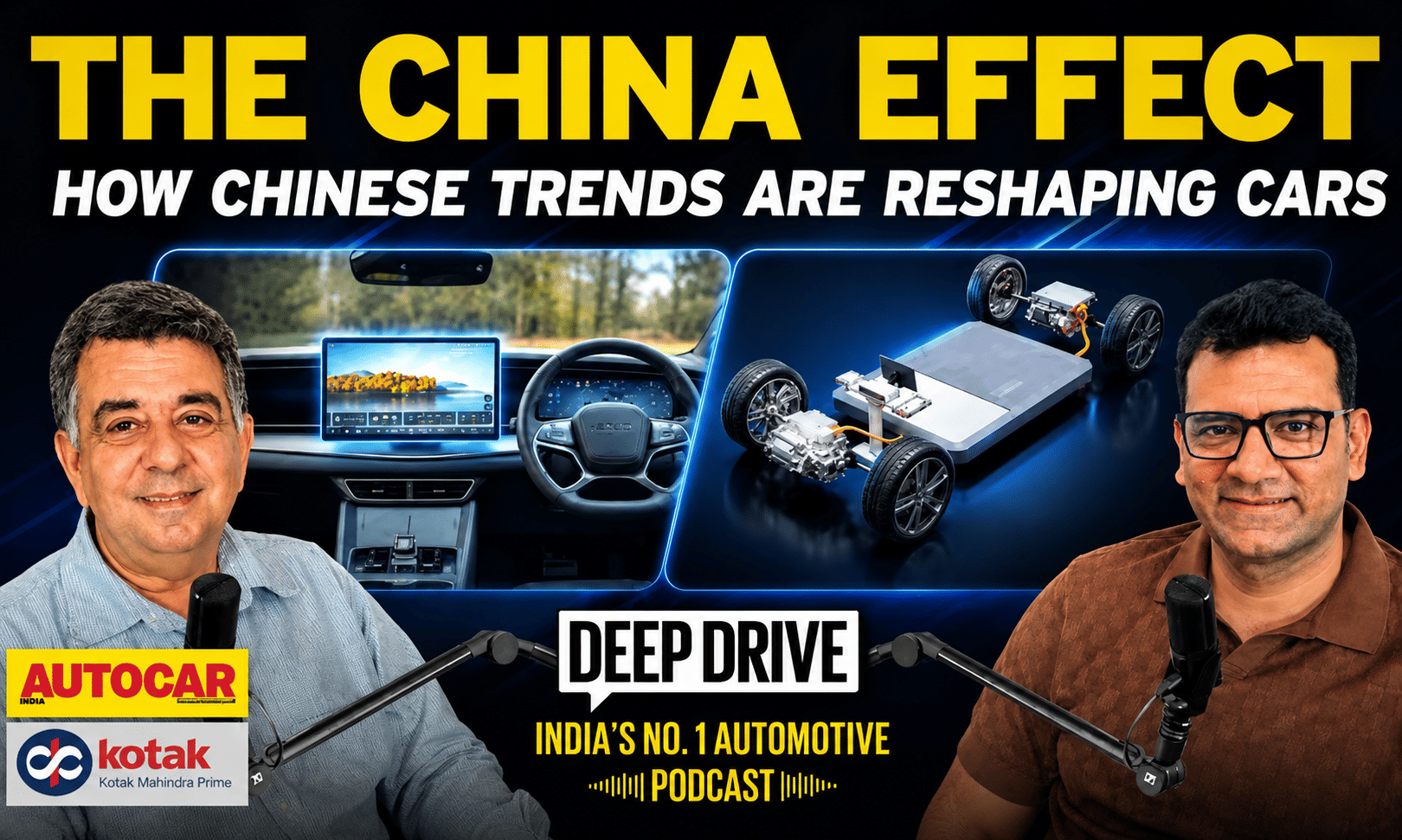 China's impact on India's automotive industry is no longer measured by the number of Chinese brands on the road. Increasingly, it is being felt in the way cars are conceived, engineered and brought to market.
In the latest episode of Deep Drive, Hormazd Sorabjee and Ketan Thakkar discuss how China has emerged as the industry's new reference point for electric vehicles, software, battery technology and rapid product development. What was once seen largely as a low-cost manufacturing base has evolved into the world's biggest automotive innovation hub, influencing product strategies well beyond its domestic market.
The discussion explores how global and Indian manufacturers are drawing lessons from China's ability to combine technology, speed and value. Whether it is feature-packed interiors, software-driven user experiences or significantly shorter development cycles, many of the attributes that now define new-age vehicles have their origins in the Chinese market.
The Geopolitical Catalyst: How West Asia Volatility is Rewriting the Indian Automotive Playbook
 For years, we discussed electric vehicles (EVs) in the future tense—as something that would happen "eventually" or when the subsidies were "just right." But as the conflict in West Asia continues to send ripples through global energy markets, that conversation has moved from the boardroom to the drawing room. For the urban Indian consumer, the geopolitical tension isn't just a headline; it is a direct tax on their daily commute.
The data indicate shifts from subtle trends to a full-scale structural realignment. What we are seeing in 2026 isn't just a "slowdown" in traditional segments but a profound shift in how Indian consumers assess the value of their mobility.
Entry, Exit, and Elevation
Bosch Appoints Christian Fischer as CEO to Succeed Stefan Hartung: Reuters
Global automotive component manufacturing giant Bosch has confirmed an adjustment to its top management structure, naming its current deputy chief executive, Christian Fischer, as the incoming CEO starting July 1, Reuters reported. Fischer takes over from Stefan Hartung, who is suddenly vacating the position after reaching an agreement to exit the management board following discussions with company shareholders.
The transition marks an unexpected change of direction for the company’s administrative roadmap. The decision arrives only months after Bosch announced in October that Hartung had secured a five-year contract extension, an administrative step that was originally intended to keep him at the helm of the business until 2031. Hartung has maintained a seat on the board of management since 2013 and assumed the role of chairman at the start of 2022.
SKF India Industrial Appoints Manasa Nagaraju to Lead IT and Digitalization
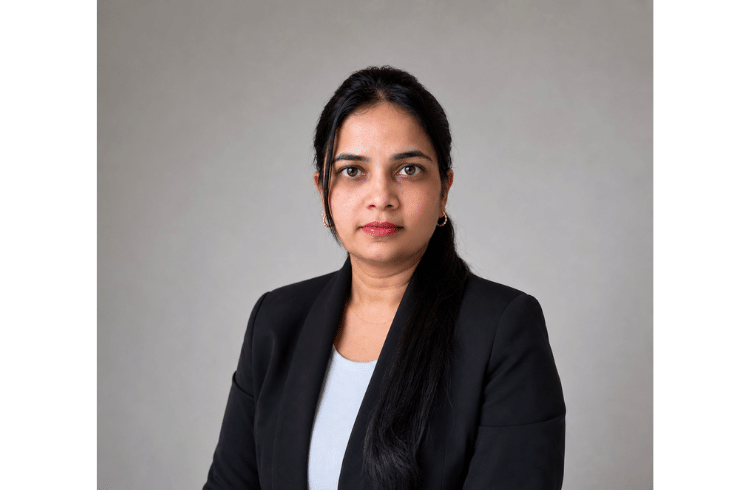 SKF India Industrial has named Manasa Nagaraju as the new Head of IT and Digitalization for its India, Southeast Asia, and Middle East region. In this role, Nagaraju will direct the company's regional information technology strategy, oversee enterprise transformation initiatives, and manage the deployment of data and cloud technologies to support business operations across the industrial market.
Tsuyo Manufacturing Appoints Prashant Ranjan as Sales & Service Director

RELATED ARTICLES

GARC Upgrades Automotive Testing Infrastructure Under PM E-DRIVE
 Eshisha Java
28 Sep 2026
Eshisha Java
28 Sep 2026
The Chennai-based testing agency is adding EV, battery, ADAS, crash safety and heavy commercial vehicle testing capabili...


Renault India Sees Hybrids As Major Volume-Generating Powertrain In Medium Term
Kiran Murali
28 Sep 2026
The automaker is betting on strong hybrids as it expands its product portfolio and prepares for a shift in India's power...

Renault India Eyes 500 Showrooms By End Of 2027
Kiran Murali
28 Sep 2026
The automaker is planning to expand its retail footprint as it looks at a product portfolio of seven models by the end o...