Follow us
Weekly News Wrap: Indigenous Magnets in 2 Years, CV Safety Mandate, JSW Motors Launch Delay, Mahindra Doubles Tractor Growth Forecast
From rare-earth resilience to heavy-truck safety rules, the week showed how policy and parts now shape the auto cycle as much as products do.
 By Darshan Nakhwa
 5520 Views


India’s auto sector moved deeper into a policy-and-supply-chain reset this week, with localisation, safety regulation and rural demand emerging as the defining themes shaping industry strategy. The government’s push to build an indigenous permanent-magnet ecosystem within two years signalled a decisive attempt to reduce dependence on imports in critical EV components, even as new mandates on advanced safety systems for heavy commercial vehicles set the stage for a structural technology upgrade across the trucking industry.
At the same time, the gap between ambition and execution in India’s manufacturing drive was visible in the delay to JSW Motors’ first car launch, underscoring how supply-chain approvals and geopolitics continue to influence timelines for new entrants. Against this backdrop, strong tractor demand and Mahindra’s decision to raise its industry growth forecast pointed to a resilient rural economy that is increasingly shaping both vehicle demand and investment plans.
Taken together, the week’s developments reflect an industry entering a more complex phase, one where localisation, regulatory tightening, and demand recovery are unfolding simultaneously, forcing automakers and suppliers to balance expansion with resilience as India positions itself as a core node in the global automotive value chain.
Here’s the detailed round-up of all major developments from this week:
India to Start Indigenous Magnet Production in 2 Years: Hanif Qureshi
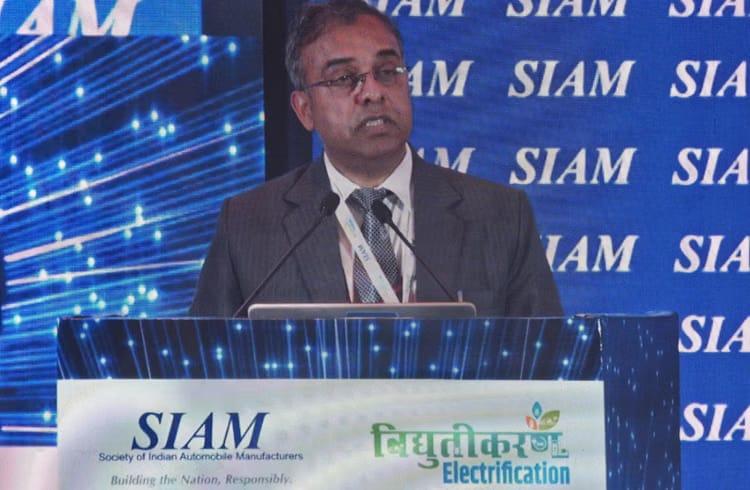
India expected to start domestic production of permanent magnets within the next two years as the country looks to reduce dependence on imports, according to Hanif Qureshi, additional secretary at Ministry of Heavy Industries.
“We hope that in the next two years, there would be indigenous production of permanent magnets,” Qureshi said, while speaking at the 5th Global Electrification Mobility Summit on Tuesday.
His comments come as the government recently launched a Rs 7,280 crore to support local manufacturing of rare earth and permanent magnets used in electric vehicles and other applications.
India Pursues Critical Minerals Deals with Brazil, Canada, France, Netherlands

India is pursuing agreements with Brazil, Canada, France and the Netherlands to jointly explore, extract, process and recycle critical minerals, according to sources familiar with the discussions, as reported by Reuters.
The South Asian nation is focusing on securing access to lithium and rare earths, along with mineral-processing technologies, the sources told Reuters. The discussions remain confidential, and the sources spoke on condition of anonymity.
India to Leverage EV Scale Into Influence and Strategic Depth: Kumaraswamy
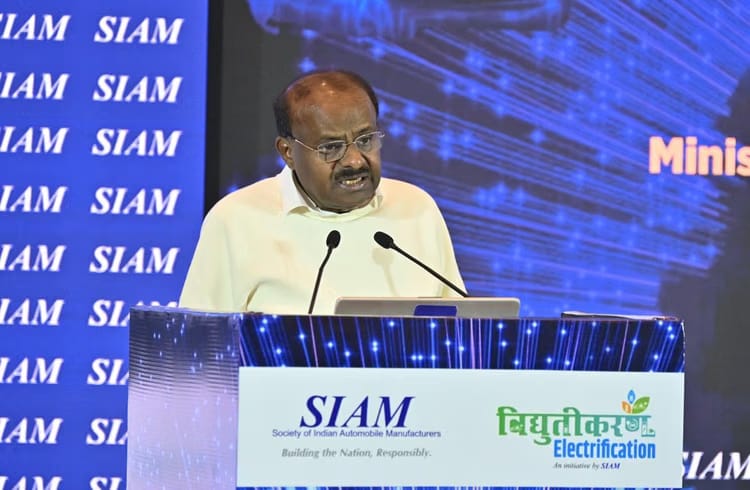
India wants to turn its rapidly expanding electric vehicle market into a source of global influence and strategic industrial depth, H D Kumaraswamy, Minister of Heavy Industries, said while speaking at the 5th Global Electric Mobility Summit organised by the Society of Indian Automobile Manufacturers Association.
“India's vision is clear to move from adoption to leadership, from participation to influence and from scale to strategic depth,” Kumaraswamy said.
He said India’s electric mobility transition has to move from intent to implementation, with EVs now positioned at the core of cleaner mobility, energy security and industrial transformation.
H.D. Kumaraswamy Signs ₹11,887 Crore Steel Pact to Boost Specialty Manufacturing
Shailesh Chandra Flags Four Imperatives to Take India’s EV Transition to the Next Level
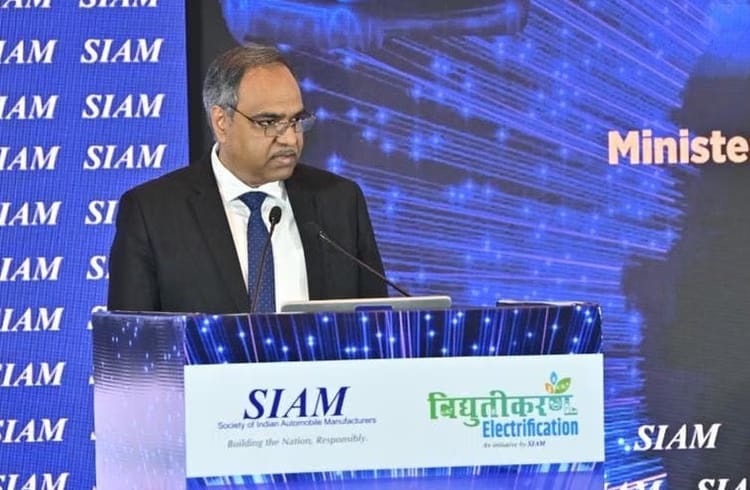
Charging infrastructure, renewable energy integration, skills development and export capability will shape the next phase of India’s EV transition, SIAM President and Managing Director of Tata Motors Passenger Vehicles Shailesh Chandra said at the SIAM's 5th Global Electric Mobility Summit, outlining the priorities required to move electric mobility from early adoption to scale.
While India’s electric vehicle market has gathered adoption across categories, he however cautioned that the next leg of growth will depend on how quickly the ecosystem addresses structural gaps beyond vehicle launches and incentives.
India on Course for 1 Cr Annual EV Sales by 2030: SIAM's Sushant Naik
Tata Motors Begins Operations at Tamil Nadu Facility with Range Rover Evoque Production
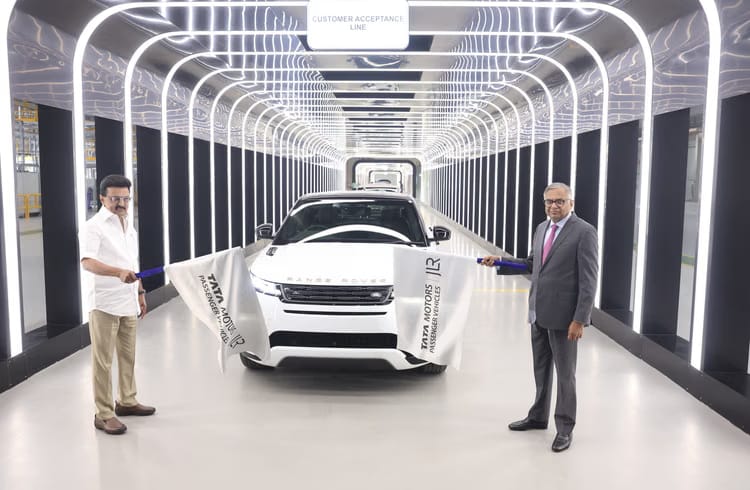
Tata Motors Passenger Vehicles Ltd. and its subsidiary Jaguar Land Rover Automotive Plc. commenced operations at their new manufacturing facility in Panapakkam, Ranipet district, Tamil Nadu on February 9, 2026. The plant's first vehicle is the Range Rover Evoque, manufactured locally for JLR.
Tamil Nadu Chief Minister M.K. Stalin and Tata Sons Chairman N. Chandrasekaran formally inaugurated the facility. The ceremony was attended by state ministers, government officials, and senior executives from TMPV, JLR, and the Tata Group.
Tata Motors Secures 70,000 Yodha and Ultra T.7 Order for Indonesia
JSW Motors' India Car Launch Faces Delay Over China Parts Approval
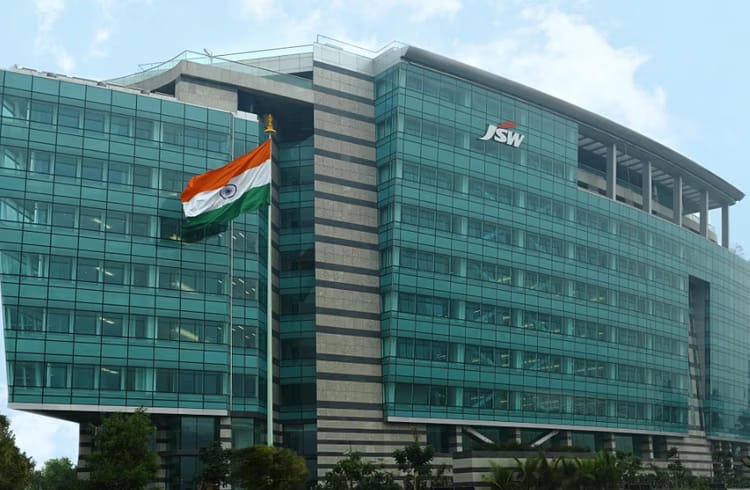
India's JSW Motors has alerted government officials that its first vehicle launch may face delays unless import licenses for Chinese automotive parts are expedited, according to a Reuters exclusive report published Tuesday.
The $3 billion automotive venture, part of billionaire Sajjan Jindal's JSW Group, sent a letter to India's industries ministry in December requesting faster certification for Chinese suppliers of safety glass components, including windshields and sunroofs.
JSW MG Motor India Unveils MG Majestor D+ Segment SUV
M&M's First NU_IQ Model To Roll Out From Chakan In 2027; 7,000 Units Monthly Capacity Ramp-up Is Underway
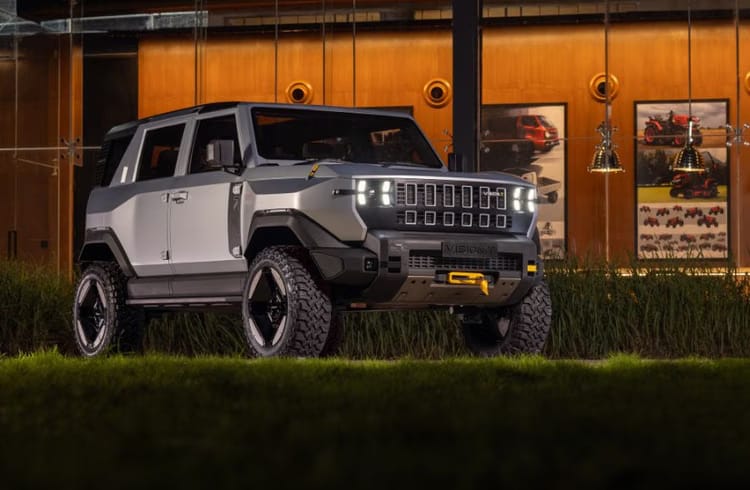
To debottleneck its current plant capacity, Mahindra & Mahindra (M&M) has devised a calibrated capacity expansion plan across its Nashik and Chakan plants. Rajesh Jejurikar, Executive Director & CEO (Auto and Farm Sector), Mahindra & Mahindra, said capacity expansion will be phased over the next few years.
“In the calendar year 2026, we want to increase both ICE and EV capacity. We will see more de-bottlenecking in Chakan and Nashik. In CY 2027, we would see the NU_IQ platform’s first product start coming out of Chakan. So, we would see a capacity increase happening in Chakan to enable the first lot of it to come out in CY 2028,” he said.
FTAs A ‘Big Opportunity’ For Mahindra As Export Plans Gather Pace, Says Mgmt
Stellantis Pulls out of Windsor Battery Plant After Nearly $1 Billion EV Write-Down
Stellantis has exited its joint venture at the Windsor, Ontario battery plant, selling its 49 percent stake in NextStar Energy to partner LG Energy Solution for a nominal $100, marking an almost complete write-down of its electric vehicle investment in the project.
The automaker had invested close to $980 million in the facility, which was positioned as a key pillar of its North American electrification strategy. The sale transfers full ownership of the plant to LG Energy Solution, while allowing Stellantis to step away from future capital commitments and execution risks tied to the project.
Stellantis and Tata Motors Mark 20 Years of Joint Venture, Sign MoU for Expanded Collaboration
India Needs Locally Tuned ADAS to Build Driver Trust: Renault
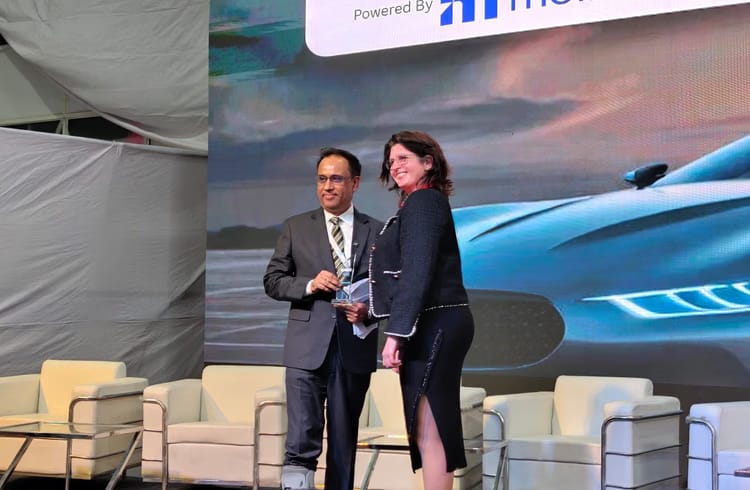
Renault Group is stepping up work on India-specific advanced driver assistance systems (ADAS), saying safety technology must be tuned to local driving realities rather than directly imported from global markets.
Speaking at 3rd edition of The ADAS Show organised by ARAI in Pune, Nina Reock, Vice President--Software Engineering (Drive & Comfort) at Renault Group, said the company is investing in local engineering, validation and scenario development to ensure ADAS works effectively in India.
“ADAS is meant to make driving safer and more comfortable. But today’s systems are largely designed for structured roads and predictable traffic. India is very different,” Reock said.
ARAI Develops Rs 40-Crore ADAS Test Facility in Pune
NHAI's Public InvIT Wins Rs 9,500 Crore Bid for Five National Highway Assets

The National Highways Authority of India (NHAI) has accepted an offer worth Rs 9,500 crore from Raajmarg Infra Investment Trust (RIIT) for the monetization of five national highway sections spanning approximately 260 kilometers across four states.
The monetized assets comprise the 80.52-kilometer Gorhar–Barwa Adda section in Jharkhand, the 69.4-kilometer Chilakaluripet–Vijayawada section in Andhra Pradesh, the 32.6-kilometer Chennai Bypass, the 33-kilometer Chennai–Tada section in Tamil Nadu, and the 44.6-kilometer Neelmangla–Tumkur section in Karnataka.
Eicher Motors Approves Rs 958 Crore Capacity Expansion for Royal Enfield
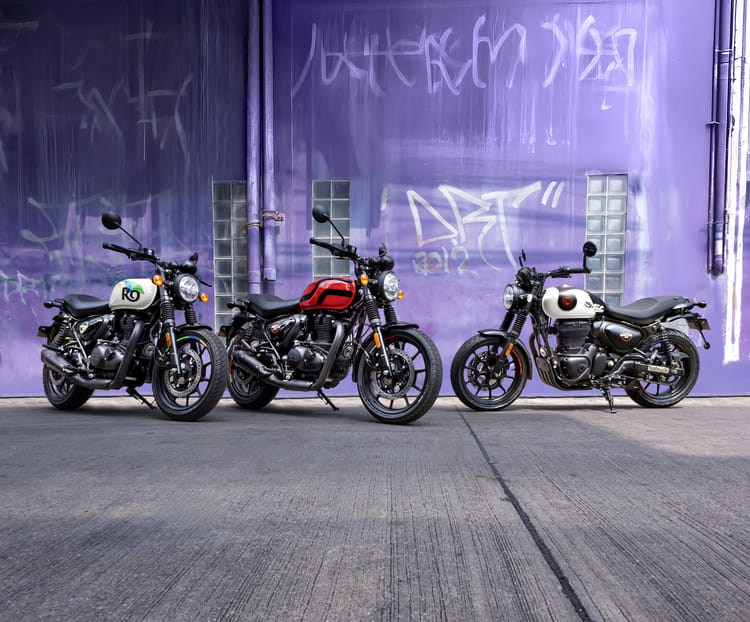
Eicher Motors Limited announced on February 10, 2026, that its Board of Directors has approved a capacity expansion plan for Royal Enfield motorcycles. The expansion will increase the company's total production capacity from the current 14.6 lakh units per year to 20 lakh units per year across all plants.
The company will invest Rs 958 crore in brownfield expansion at its manufacturing facility in Cheyyar, Tamil Nadu. The expansion will be funded through internal accruals, according to a regulatory filing submitted to the BSE and National Stock Exchange.
Royal Enfield Sees Steady Growth in Q4; Expects High Single-digit Industry Expansion in FY27
Ola Electric’s Auto Business Back To EBITDA Loss In Q3FY26 After Breakeven In Q2
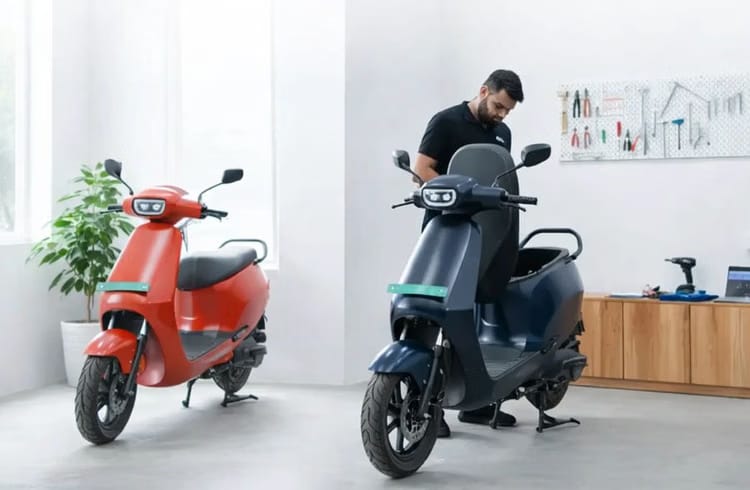
Ola Electric’s electric two-wheeler business managed to achieve breakeven for the first time in the second quarter of this financial year. However, a sharp decline in volumes and revenue in the subsequent quarter pushed the segment back into an EBITDA loss for the third quarter.
The SoftBank-backed company’s automotive segment reported a negative EBITDA (Earnings Before Interest, Taxes, Depreciation, and Amortisation) of Rs 83 crore in the third quarter of the financial year 2026, compared with an EBITDA of Rs 2 crore in the second quarter of this year. EBITDA margin for the December quarter came in at negative 35.8%, compared with positive 2% in the September quarter.
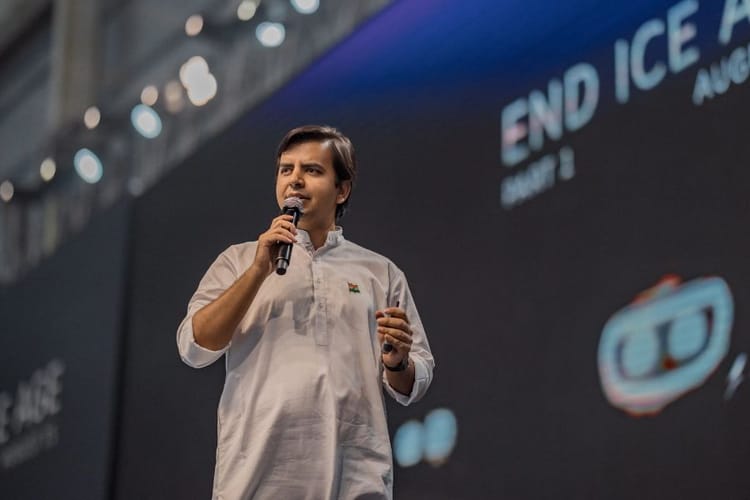
Fixing Service Gaps To Improve Sales, No Product Issues: Ola’s Bhavish Aggarwal
Government Mandates Advanced Safety Systems for Heavy Commercial Vehicles
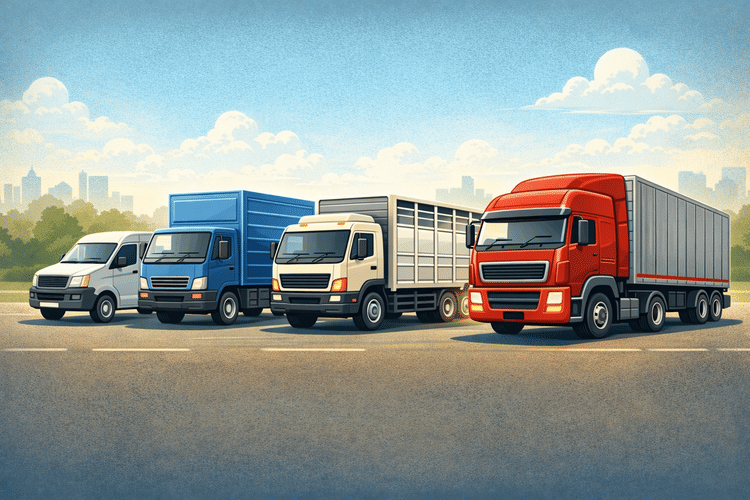
The Indian government has announced sweeping safety regulations for medium and heavy-duty commercial vehicles, mandating advanced driver assistance systems and safety technologies to enhance road safety across the country.
Union Minister for Road Transport and Highways Nitin Gadkari disclosed the measures in a written reply to the Lok Sabha on February 12, 2026. The regulations introduce a phased implementation of cutting-edge safety features beginning October 2027.
Can Switch Mobility Build a Moat in India’s Cut‑Throat E‑Bus Market?
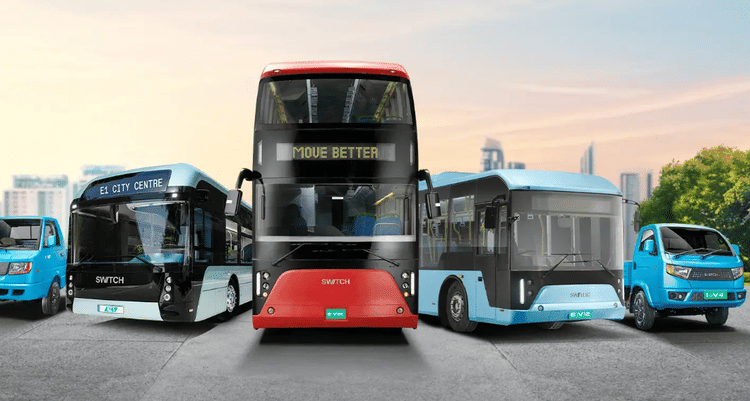
Ashok Leyland’s electric‑vehicle arm, Switch Mobility, has quietly crossed a milestone that many global bus makers are still chasing: it is making money from electric buses.
In its latest quarterly update, the commercial‑vehicle maker's Executive Chairman Dheeraj Hinduja said Switch “has a healthy order book and a well-defined product roadmap,” adding that the unit “has started delivering buses in international markets and has achieved positive EBITDA and PAT over the first nine months.” In plain English, the business is not only covering its operating costs, it is also posting net profit
Bajaj Auto Launches ₹4.41 Lakh WEGO P9018, India's Longest-Range Electric Three-Wheeler
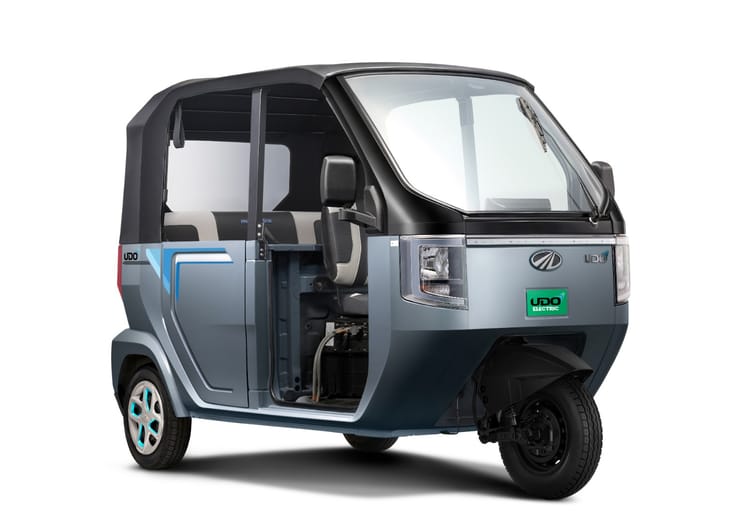
Mahindra Launches UDO Electric Auto-Rickshaw at ₹3.59 Lakh
Mahindra Doubles Tractor Growth Forecast to 22-24% for the Fiscal
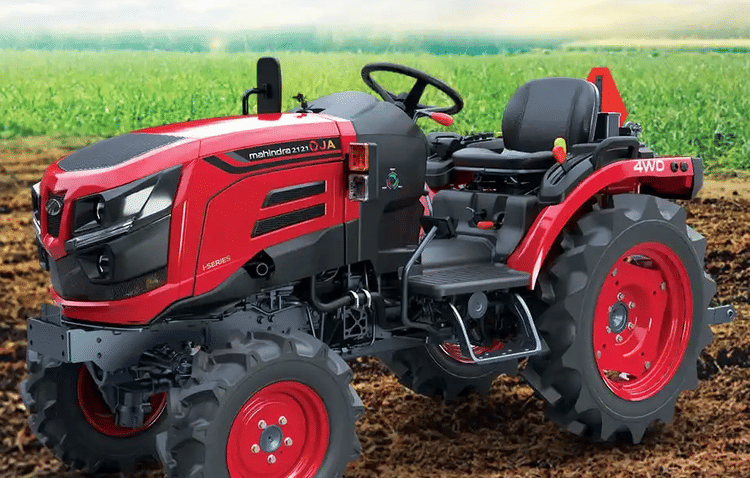
Mahindra & Mahindra Ltd. (M&M) has significantly raised its expectations for the Indian tractor market, signaling a robust recovery in the rural economy that has caught even industry leaders by surprise.
In a post-earnings briefing for the third quarter of fiscal year 2026, the company’s management admitted that its previous projections were overly cautious. “We underestimated what the industry would be like,” said Rajesh Jejurikar, Executive Director & CEO of the Auto and Farm Sector at M&M. “When we said low double digits, it is likely to be twice the low double digits, somewhere in the 22% to 24% range for the year.”
CNH India Bets Big on India with Rs 1,800 Crore Expansion Drive
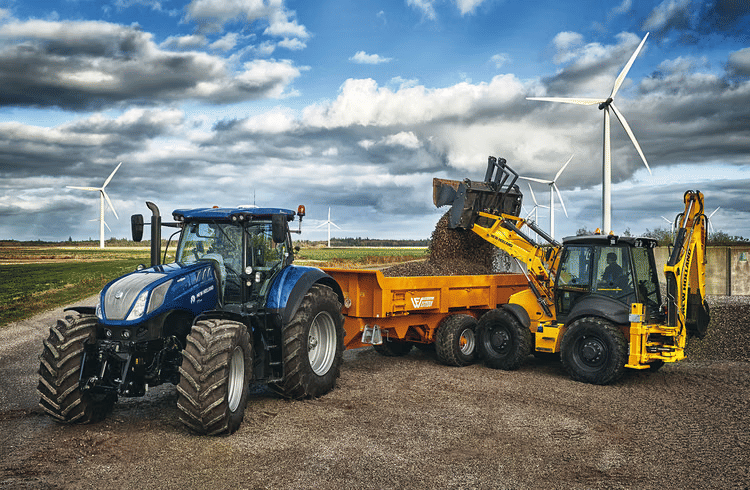
CNH India plans to make a fresh investment of approximately Rs 1,800 crore to be deployed over the next two to three years. This capital injection is intended to scale manufacturing capacity, localise high-tech components, and strengthen India’s role in the global supply chain, mirroring the “China-plus-one” strategy across the broader automotive and industrial sectors.
The investment is strategically bifurcated: Rs 1,500 crore is earmarked for the agricultural segment, while Rs 300 crore will support construction equipment. A centre point of this plan is establishing a fourth manufacturing plant, a standalone tractor facility estimated to cost close to Rs 1,000 crore. This new site is expected to double CNH’s current Indian tractor capacity from 60,000 units to 120,000 units annually.
CNH India Targets 1 Lakh Tractor Sales by 2030, Plans to Double Market Share
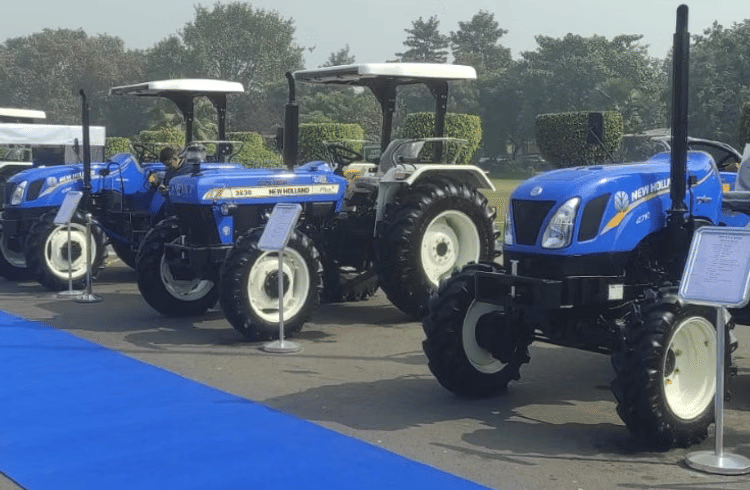
Agricultural equipment manufacturer CNH India has set a target to sell 100,000 tractors annually in the domestic market by 2030, aiming to double its current market share from 4.3%, President and Managing Director Narendar Mittal stated.
The target represents a significant scale-up from the company's current position.
CNH sold 47,000 tractors in the domestic market during calendar year 2025 and grew 28% year-on-year—the highest growth rate among tractor brands in India, according to Mittal. The overall tractor market grew 20% to reach approximately 1.1 million units in CY25.
CNH India Eyes U.S. Export Rebound as Trade Clouds Clear
Component Makers Pivot to Automation-Led Capex to Power Growth and Competitiveness
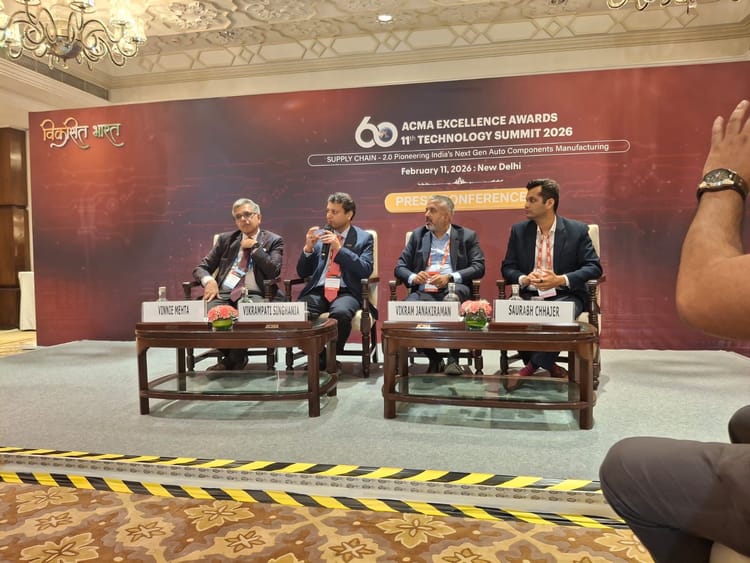
Speaking at the ACMA Excellence Awards 2026, leaders from the Automotive Component Manufacturers Association of India and Boston Consulting Group said the industry’s next growth phase cannot be delivered using current operating models.
India’s auto component sector could potentially double over the next five to six years. But that growth, they cautioned, must be driven by productivity, not headcount expansion alone.
“If we try to deliver that growth with the ways of working today, there is a problem,” said Vikrampati Singhania, President of ACMA. “Where are we going to get that many people? We are not the only industry looking for talent.”
Invest ahead of demand, build tech depth to become global hub: ACMA President
Without Sensors and Software Skills, Component Makers May Fall Behind: Tarun Garg, MD Hyundai Motor India
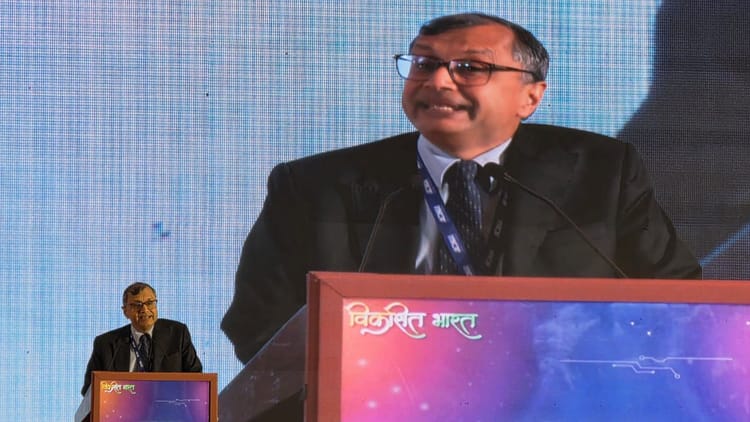
India’s automotive suppliers must urgently integrate electronics, sensors and system integration into their core strategy or risk being left behind, said Tarun Garg, MD and CEO, Hyundai Motor India, at the ACMA Excellence Awards and 11th Technology Summit 2026.
“If your roadmap does not include electronics, does not include sensors, does not include system integration, you have a challenge ahead. The industry may outpace you,” Garg said, delivering one of the clearest warnings at the summit.
Flexible Manufacturing Core Supply Chain Requirement for OEMs, says Maruti's Deepak Thukral
"We will Only be Competitive when we Build More of what we Use in the Country": Visteon CEO
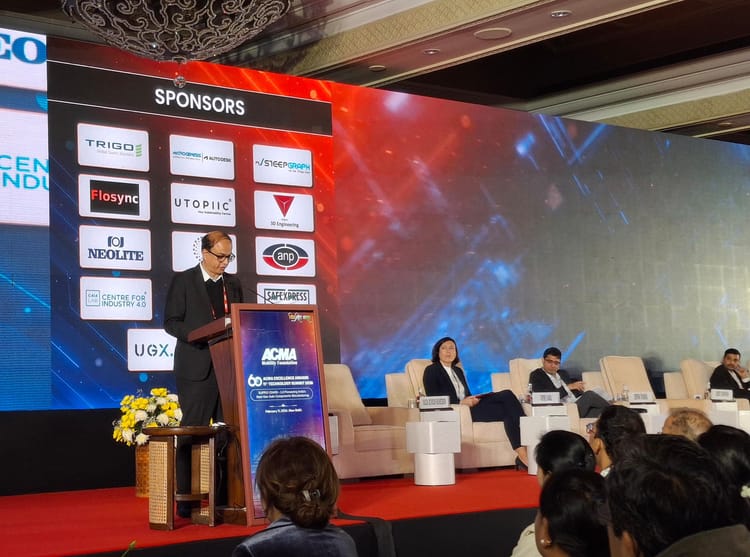
Sachin Lawande, the global CEO of Visteon Corporation, a global Tier 1 automotive electronics supplier, is blunt about why India isn't yet a force in global passenger car markets despite closing in on five million units a year.
"If you observe these markets where credible and competent car makers have emerged and are thriving, you see one consistent theme - the number of competitors tends to be fairly high," says Lawande. Europe has seven or eight strong OEM groups, China has dozens of aggressive players, but India, in contrast, is a closed club, where just six OEMs control over 90 percent of the market.
Tata Elxsi Sees Connectivity, Autonomous Tech Lead Next Wave of Auto Disruption
The modern car is undergoing its biggest identity shift in a century. It is no longer defined by horsepower or fuel type alone. Increasingly, it is defined by software, lines of code that manage batteries, enable driver-assistance systems, track performance in real time and update features long after the vehicle leaves the showroom.
At the centre of this transformation is the convergence of connectivity, autonomy, and electrification. What were once parallel technology tracks are now tightly interlinked. A connected vehicle generates data. That data powers predictive maintenance, battery analytics and over-the-air updates. Those updates improve ADAS systems and shape the ownership experience. Together, they form the backbone of the software-defined vehicle, a concept that is moving rapidly from premium global models into India’s mainstream market.
Tata AutoComp Opens Two Manufacturing Plants in Sanand
Mobileye Localising ADAS for India; Eyes Hands-off Driving by 2027
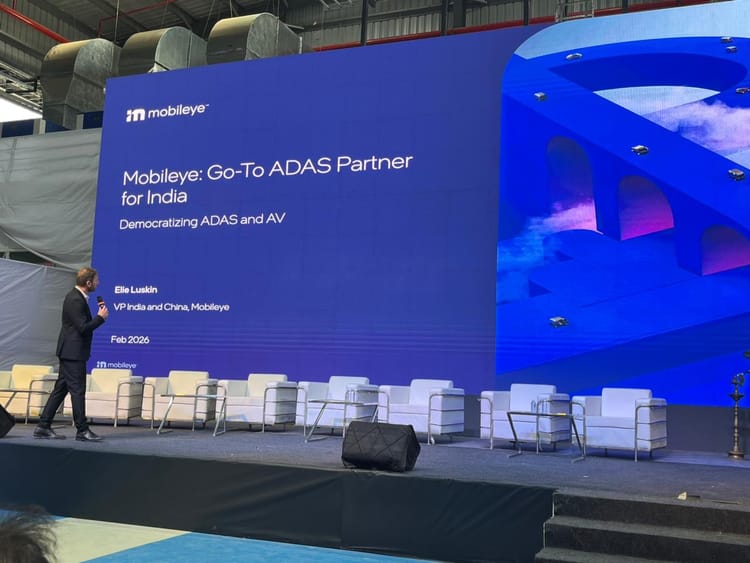
Automotive technology company Mobileye sees India as a strategic market and is stepping up localisation to scale advanced driver-assistance systems (ADAS) across segments, a senior executive said at the 3rd edition of The ADAS Show organised by ARAI today.
Elie Luskin, VP for India and China at Mobileye, said the company is working with automakers and suppliers to adapt its systems to Indian roads and price points. He added that hands-off, eyes-on highway and urban driving functions could reach the market by 2027.
Mahindra Selects Mobileye ADAS Systems for Six Future Models
Electric Powertrain Supplier Tsuyo Aims To Raise Up To $20 Million For Capacity Expansion
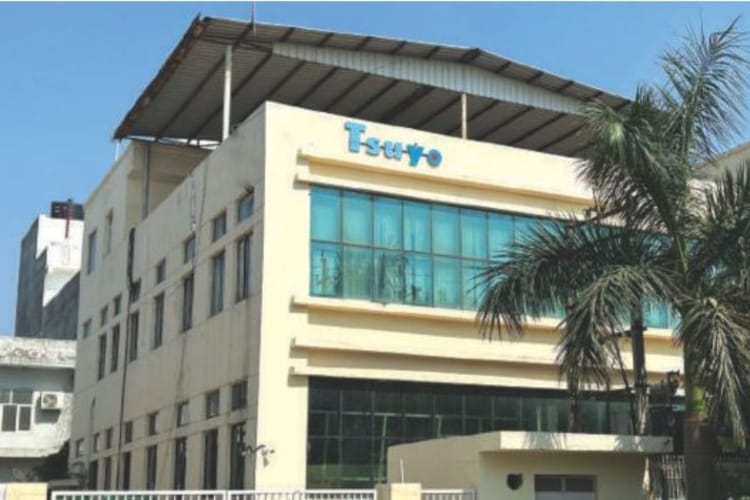
Electric vehicle powertrain maker Tsuyo Manufacturing plans to raise up to $20 million (approximately Rs 180 crore) in fresh funding over the next year and a half to expand capacity and support its growth into larger vehicle segments, according to senior company officials.
“We will be raising funds very soon, within another 12 to 18 months. That would be around $18–20 million. We are already in the process of getting started,” said Tsuyo’s founder and Chief Executive Officer Vijay Kumar. He noted that the funds would be used primarily for capacity augmentation and new product lines at its upcoming facility in Karnataka.
Not Battery as a Service, Tsuyo Pushes Motion as a Service for EV Retrofits
Global Trade Agreements and Export Demand Propel New Opportunities for the Indian Aftermarket Ecosystem
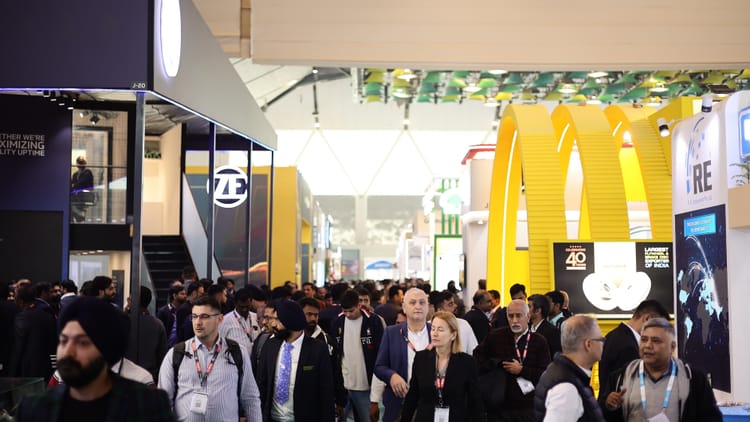
As global manufacturers increasingly look toward diversification strategies, India’s automotive aftermarket, the sector providing parts and services after a vehicle’s initial sale. showcased itself as a primary beneficiary. The recently concluded sixth edition of ACMA Automechanika New Delhi 2026 served as a high-stakes showcase for this ambition, drawing more than 870 exhibitors from 20 countries to the Yashobhoomi convention center in Delhi.
The three-day event, spanning 51,200 square meters, arrived at a critical juncture for Indian trade policy. Industry leaders noted that momentum is building as the sector prepares for upcoming trade advantages under various pending trade agreements. With the United States and Germany already serving as top export destinations, the industry is closely watching the evolving geopolitical dynamics of India-EU and India-US trade discussions to further lower barriers for India-made components.
Six Sense Mobility Secures ₹44 Crore to Scale Indigenous Automotive Electronics Manufacturing
Mahle Sees India’s Multi-Fuel Mix Boosting Global Aftermarket Growth
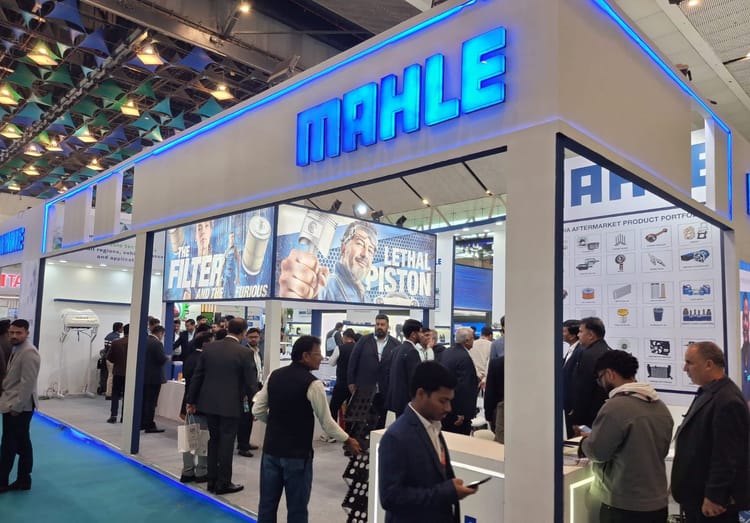
India’s expanding economy, rising car ownership, and dominance of internal combustion engines and hybrids in the medium to long term are making the country one of the most attractive growth markets for auto component major Mahle’s global aftermarket business.
Mahle said India’s aftermarket is growing faster than most major regions, supported by an expanding vehicle base and rising disposable incomes. The company sees strong long-term demand as more vehicles enter the market and existing vehicles age, increasing the need for replacement parts and repairs.
PPAP Automotive sells 50% stake in JV to Tokai Kogyo for Rs 100 crore
How ZF is Scaling India’s Digital Aftermarket
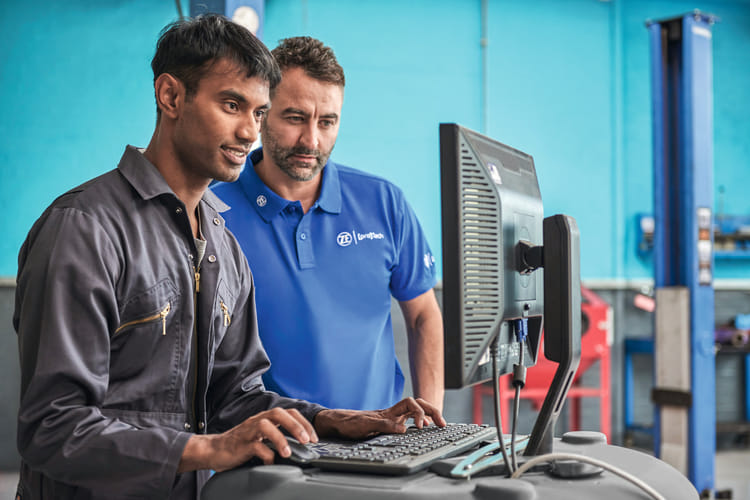
ZF Group, the world’s second-largest aftermarket provider, is now betting that India’s transition from breakdown maintenance to preventive maintenance will fuel its next decade of growth. With European markets seeing stagnant economic growth, ZF is accelerating its Indian strategy toward a comprehensive digital ecosystem designed to ensure mobility Uptime.
The focal point of ZF’s strategy is a move away from being a mere component supplier to becoming a platform provider. "India is going through a massive change," says Akash Passey, President of ZF Group India. "The workshop used to be the road itself... now there's a rapid change because technology has changed so you don't need to open the vehicle so much."
Uno Minda Aftermarket Sees Business Growing 2-3x to Over $300 Million in 3-4 Years
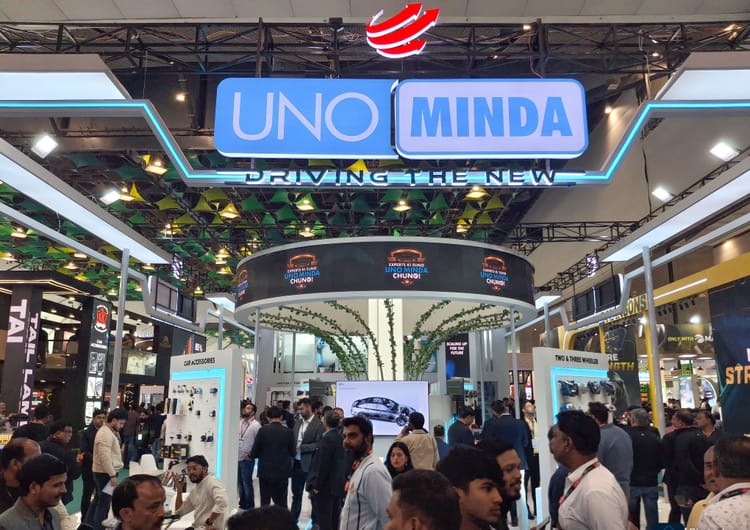
India-based auto component maker Uno Minda is targeting a two- to three-fold expansion of its aftermarket business by the end of this decade to over $300 million, betting on technology-led products, wider distribution, and rising demand for replacement parts as vehicles become increasingly complex.
In the financial year 2025, the company’s aftermarket division generated revenue of around Rs 1,115 crore and accounted for about 7-8% of Uno Minda’s overall group turnover. “We plan to grow the aftermarket business by around 2-3 times in the next 3-4 years,” said Anand Kumar, vice president for sales and marketing at the group’s aftermarket division.
India No Longer a Backup, but Central to Global Auto Strategy: Priya Kapur
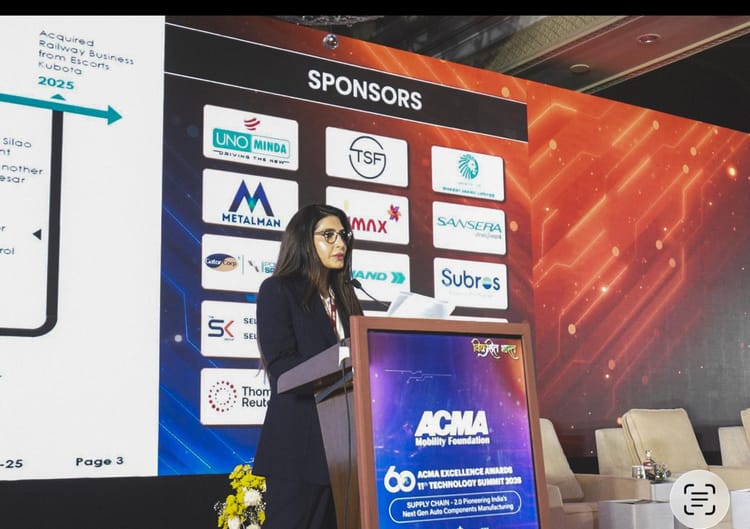
India is no longer a fallback manufacturing base for global OEMs. It is increasingly central to global automotive strategy, driven by engineering depth, supply chain resilience, and growing electronics capability.
Delivering the keynote address at the 60th ACMA Excellence Awards and 11th Technology Summit in New Delhi, Priya Kapur, Non-Executive Director, Sona Comstar, said India’s automotive ecosystem has transformed from cost competitiveness to capability leadership.
“The automotive sector has long been India’s most credible manufacturing ambassador,” she said, adding that India is now seen as integral to global supply chain strategies rather than as a backup option.
The 11-Quarter Streak Ends: Inside Mahindra Logistics’ Path Back to Profit
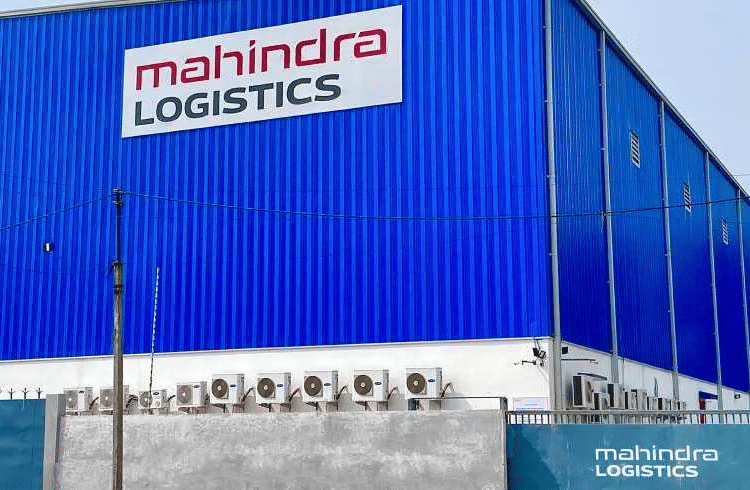
Mahindra Logistics Ltd. has reached what its leadership calls an "inflection point," reporting its first profitable quarter in nearly three years. The company posted revenue of Rs 1,898 crore for the third quarter of fiscal 2026, a 19% increase compared to the same period last year.
The results mark a decisive end to a challenging 11-quarter period of losses. Group CEO and MD Dr. Anish Shah characterized the results as a breakout performance, noting that the business is now "structurally profitable" after correcting previous weaker execution.
Bonfiglioli Transmissions Limited Files DRHP for IPO with SEBI
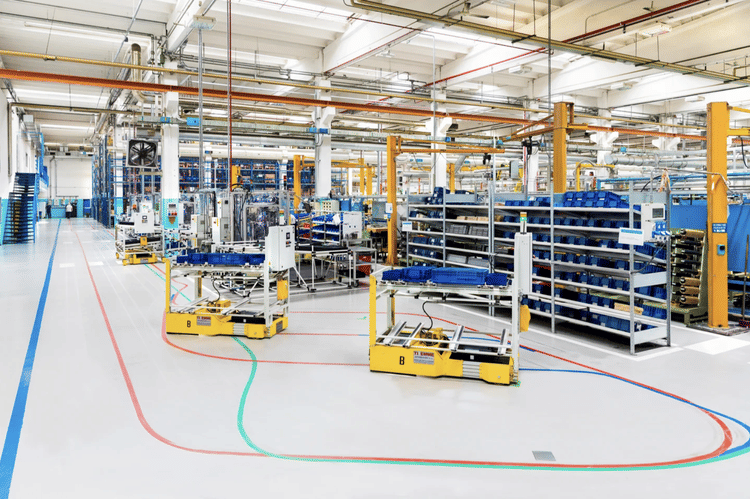
Bonfiglioli Transmissions Limited has filed its Draft Red Herring Prospectus (DRHP) with the Securities and Exchange Board of India (SEBI) for an Initial Public Offering, the company announced.
The offering comprises an Offer for Sale of up to 46,998,958 equity shares by Bonfiglioli S.p.A, the promoter selling shareholder. Each equity share has a face value of ₹10. The company has not disclosed the IPO's price band or size.
Government Launches PM RAHAT Scheme for Cashless Treatment of Road Accident Victims
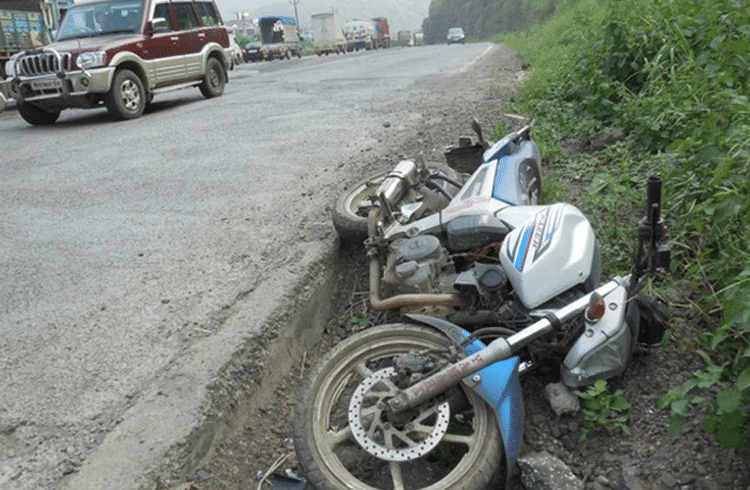
The central government has approved the PM RAHAT (Road Accident Victim Hospitalization and Assured Treatment) Scheme, a policy initiative aimed at ensuring that road accident victims receive immediate hospital care regardless of their ability to pay. Under the scheme, eligible victims are entitled to cashless treatment of up to ₹1.5 lakh for a period of seven days from the date of the accident.
The decision was announced following the government's transition to Seva Teerth as the Prime Minister's primary administrative base.
Long Reads
How the India-EU Trade Deal Could Quietly Reshape the Auto Industry
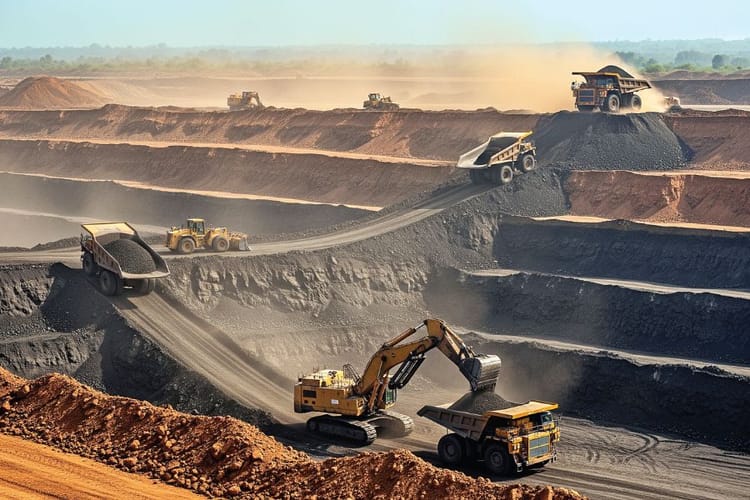
As soon as the India–EU free trade agreement was announced, the internet was filled with memes and hot takes centered on the assumption that European luxury cars were about to become meaningfully cheaper. Alas, luxury cars aren't going to suddenly drop from crore-plus price tags to ₹70 lakh. That said, the India-EU FTA can have meaningful implications for India’s auto industry.
Over the long term, the shift could reshape competitive dynamics in the country, while opening up a large opportunity for India’s auto component makers, particularly in the high-value segment.
Beyond Cars: VinFast's Full-spectrum EV Push in India
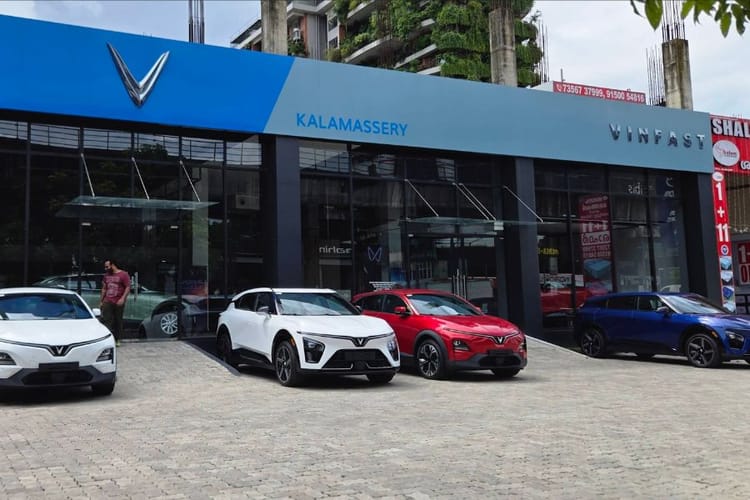
When VinFast rolled out its VF6 and VF7 electric SUVs in India last September, it marked more than just another global automaker testing the waters in a promising market. For the Vietnamese carmaker, India represents the cornerstone of a far more ambitious play—one that extends well beyond selling premium electric cars to a handful of early adopters.
The company is now preparing to enter ride-hailing through its sister concern GSM, launch India-specific electric scooters, supply buses to state transport undertakings, and build out a sprawling manufacturing ecosystem in Tamil Nadu.
Inside Mahindra Last Mile Mobility’s Rs 500 Crore Modular Platform Strategy
About three years ago, during an annual leadership conference in the coastal state of Goa, two of Mahindra & Mahindra’s top executives met to discuss a problem that had remained stagnant for nearly eight decades: the design of the Indian three-wheeler. The industry’s standard silhouette had barely changed since the late 1940s, often prioritizing basic utility over the comfort or dignity of the person behind the wheel.
During that meeting, Pratap Bose, Mahindra’s Chief Design and Creative Officer, took a simple paper napkin and began to draw. "Pratap drew a shape on a napkin for me," recalls Suman Mishra, Managing Director and CEO of Mahindra Last Mile Mobility Limited (MLMML). "We were discussing what a three-wheeler of the future would look like, and he drew a shape similar to this. Standing there, he just made it on that napkin at the table." Mishra was so struck by the vision that she carried a photograph of that napkin sketch for months.
Policy, Protectionism and Pressure: Inside India’s Construction Equipment Downturn
Something clandestine unfolded at Mumbai's busy Indira Dock in the intervening night of October 31 and November 1. Customs inspectors, on a routine check, spotted three Chinese wheel loaders in an open yard, imported by an Indian firm. Each carried a QR code declaring a payload of 7,000 kilograms, the upper limit for triggering safeguard duties on such machines from China.
By the next day, the codes had vanished. In their place: markings for 7,100 kilograms, just enough to dodge the tariffs. Wheel loaders, with their front-mounted buckets on lift arms, are workhorses for construction sites and mines…
Sales Analysis
Global EV Sales Fall 3% in January
Global electric vehicle registrations declined 3% year-on-year in January, reaching approximately 1.2 million units, as policy changes in China and the United States dampened demand, according to data released Friday by consultancy Benchmark Mineral Intelligence (BMI) and reported by Reuters.
The decline marks a significant shift in the EV market's growth trajectory, with China—the world's largest EV market—experiencing a 20% drop to fewer than 600,000 registrations, its lowest level in nearly two years. The downturn followed the introduction of a purchase tax and reduced EV subsidies in the country.
India Sells 23.8 Lakh Vehicles, Led by a 26% Two-Wheeler Surge: SIAM
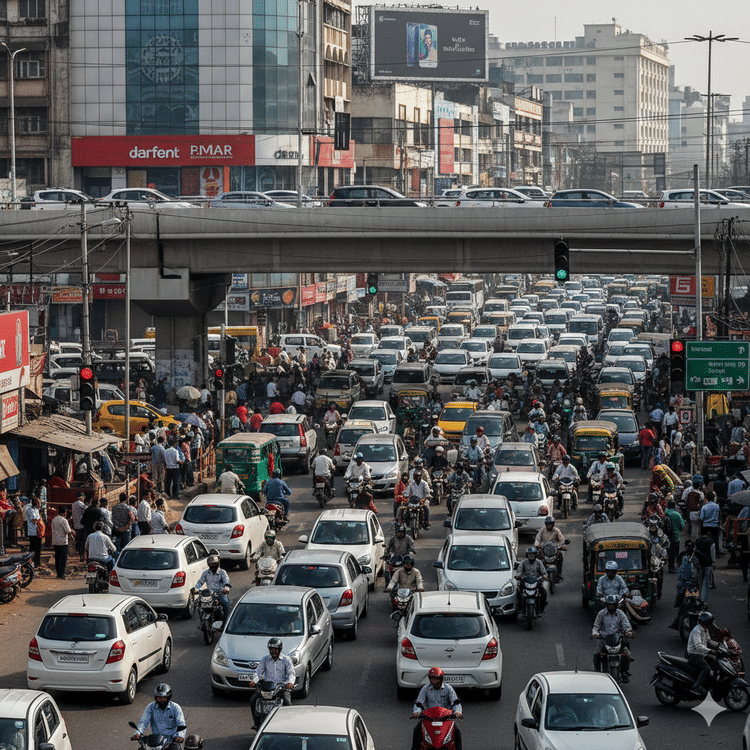
All three major vehicle segments posted their highest-ever January sales figures, according to data released today by the Society of Indian Automobile Manufacturers (SIAM). Combined domestic sales across passenger vehicles, three-wheelers, and two-wheelers reached 23,80,722 units in January 2026, up 23% from 19,35,696 units in January 2025.
Segment-wise, passenger vehicles came in at 4,49,616 units (up 12.6%), three-wheelers at 75,725 units (up 30.2%), and two-wheelers at 19,25,603 units (up 26.2%). For the April–January 2025-26 period, cumulative domestic sales across all segments grew by 7.6% year to date.
Auto Retail Sales Grow 17.6% YoY in January as Rural Demand, GST Tailwinds Lift Most Segments
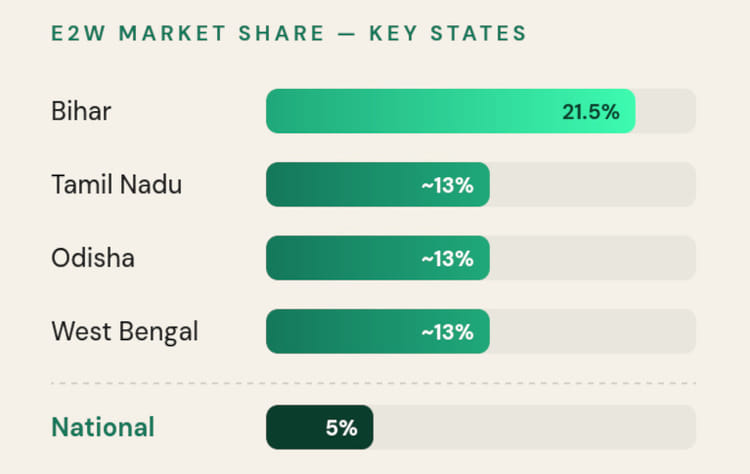
TVS And Bajaj Auto Spar for E-2W Leadership, Ampere Outsells Ola
New products always energise the market and drive growth for their manufacturers . . . and that’s just what the recently launched Chetak 2501 seems to have done for Bajaj Auto. After the first 14 days of February, the Pune-based e-2W OEM has sold 11,943 Chetak e-scooters including the new C2501. This total is 3,167 units shy of its arch rival TVS Motor Co (15,110 units).
As of today (February 15, 2026) India 2W Inc is just 1,292 units away from hitting its highest-ever retail sales in a fiscal year. From April 1, 2025 through to February 14, 2025, the industry has sold 11,49,474 units and will overtake FY2025’s 11,50,766 units in a single day.
Greaves Electric Mobility registers 40% Q-on-Q E2W growth in Q3 FY26, claims Top 6 spot
Earnings Report Card
Mahindra & Mahindra Q3 FY26 PAT up 47%; Revenue up 26%
Mahindra & Mahindra reported third-quarter results for the period ended December 31, 2025, with consolidated profit after tax of Rs 4,675 crore, up 47% year-on-year (54% excluding the impact of a labour code regulation change). Consolidated revenue rose 26% to Rs 52,100 crore from Rs 41,470 crore in Q3 FY25. Return on equity stood at 20.1% annualized.
On a standalone basis, revenue was Rs 38,942 crore (up 26%), EBITDA was Rs 5,717 crore (up 19%), and PAT was Rs 3,931 crore (up 33%).
Escorts Kubota Posts 25% Jump in Q3 Consolidated Net Profit
Nissan Cuts Full-Year Loss Forecast as Turnaround Plan Shows Progress

Nissan Motor Co. has significantly reduced its full-year operating loss forecast and posted an unexpected third-quarter profit, according to Reuters, signaling that the struggling Japanese automaker's restructuring efforts may be gaining momentum.
The company now projects an operating loss of 60 billion yen ($390 million) for the fiscal year ending March 2026, a substantial improvement from its previous estimate of a 275 billion yen shortfall.
Eicher Motors Posts 21% Jump in Q3 Net Profit

Eicher Motors Limited on Tuesday reported a 21% year-on-year rise in consolidated net profit to ₹1,420 crore for the third quarter ended December 31, 2025, up from ₹1,171 crore in the same period last year, driven by robust volumes across its Royal Enfield motorcycle business and steady contributions from its joint venture VE Commercial Vehicles (VECV).
Consolidated revenue from operations jumped 23% to ₹6,114 crore in Q3 FY26, compared to ₹4,973 crore in Q3 FY25. Total income, including other income, came in at ₹6,451 crore, up about 23% from ₹5,262 crore a year ago.
Ashok Leyland Rides GST Tailwinds to Record Q3 Profit
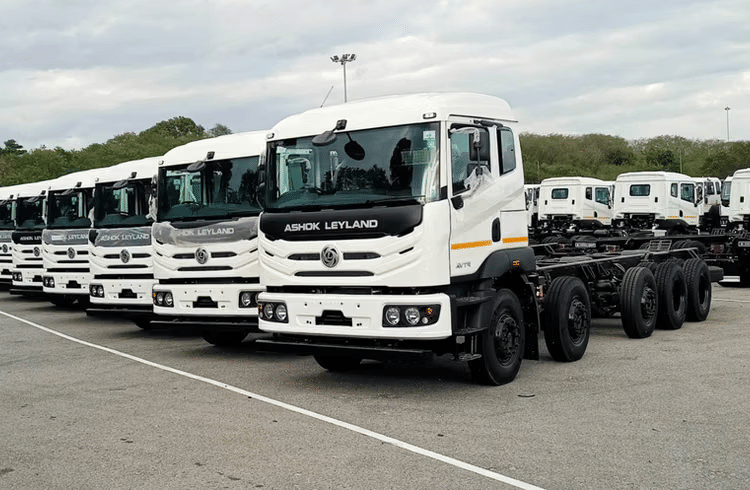
Ashok Leyland Ltd. reported record third-quarter results as GST 2.0, began flushing out India’s aging commercial vehicle fleet. The Chennai-based manufacturer saw revenues climb 22% to Rs. 11,534 crore, while standalone net profit jumped 45% to Rs. 1,105 crore, excluding a one-time labor code charge. Management indicates the fiscal shift has fundamentally altered the industry’s economic landscape.
The recent GST rationalization acted as a necessary thrust at the start of the quarter, providing a multi-pronged boost to the industry. Beyond reducing the initial acquisition cost of vehicles, the policy has stimulated broader consumption and freight demand. "The GST rationalization has not just lowered prices, but also brought a fillip to the overall freight demand," according to CEO & MD Shenu Agarwal, who noted the policy has triggered a fresh replacement cycle in an industry where the average fleet age is at an all-time high.
Tenneco Clean Air India Posts Strong Q3 FY2026 Results on New Wins and Expansion
Ola Electric’s Q3FY26 Net Loss at Rs 487 Crore, Revenue Falls 55%
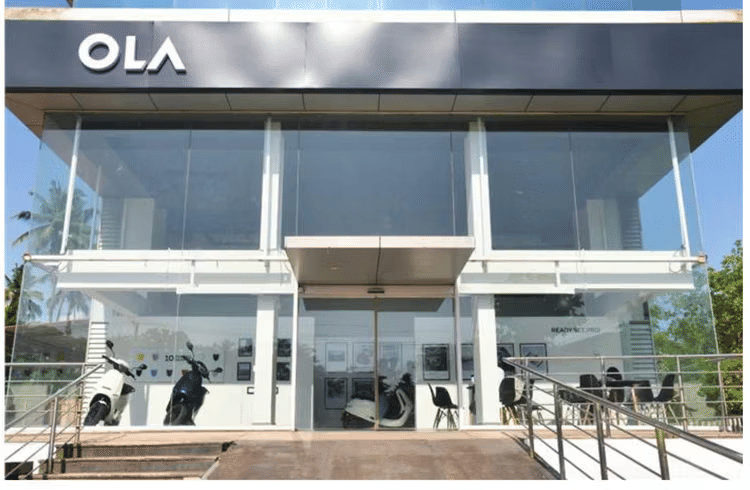
Ola Electric Mobility on Friday narrowed its consolidated profit after tax loss during the third quarter of the financial year 2026 to Rs 487 crore from Rs 564 crore, even as revenue fell 55% year-on-year due to lower vehicle deliveries.
Revenue from operations declined to Rs 470 crore in Q3FY26 from Rs 1,045 crore a year earlier and Rs 690 crore in the preceding quarter. Total electric two-wheeler deliveries fell to 32,680 units during the quarter, compared with 84,029 units a year earlier and 52,666 units in the September quarter.
Lumax Auto Technologies Reports 93% Profit Growth in Q3FY26
Samvardhana Motherson Q3 Revenue Rises 14% to ₹31,409 Crore

Samvardhana Motherson International Limited (SAMIL) reported consolidated revenue of ₹31,409 crore for the quarter ended December 31, 2025, up 14% year-on-year. EBITDA for the quarter stood at ₹3,042 crore, and profit after tax came in at ₹1,061 crore. The company said this is the highest quarterly revenue it has recorded.
The net leverage ratio stood at 1.1x at the end of the quarter. The company said it is making efforts to bring leverage down further despite continued investment for growth and elevated working capital. Capex during the quarter was ₹1,594 crore, representing 52% of EBITDA, and was directed toward greenfield projects under construction and maintenance.
Bharat Forge Q3 FY26 Revenue Up 7% QoQ
Video Playlist
US and Indian automotive component industry to grow on the back of the agreement, says ACMA’s Vinnie Mehta
The automotive component industries in both India and the United States are well positioned to grow following the signing of the bilateral trade agreement, according to Vinnie Mehta, Director General of the Automotive Component Manufacturers Association of India.
Speaking to Autocar Professional at Automechanika 2026, Mehta said the agreement comes at an important time for the global automotive supply chain, particularly as high tariff regimes had begun to strain competitiveness in the US market.
Schaeffler to Bring ECUs, Injectors into India’s Auto Aftermarket
Schaeffler India is preparing to expand its presence in India’s automotive aftermarket by introducing higher-value electronic and fuel-system components such as electronic control units (ECUs), injectors and controllers, as the market gradually shifts towards system-level servicing.
Speaking at Automechanika 2026, Harsha Kadam, Managing Director and CEO, Schaeffler India, said the company’s aftermarket strategy is evolving in line with rising electronic content in vehicles and changing service requirements. While Schaeffler has traditionally had a strong footprint in bearings, the focus is now on building a broader portfolio that reflects how modern vehicles are engineered and maintained.
SKF Targets Europe-Level Aftermarket Portfolio for India
At Automechanika 2026, global bearing major SKF said it wants India’s automotive aftermarket portfolio to mirror the depth and technological sophistication of its European range, signalling a sharper focus on higher-value components and system-level capability.
Speaking to Autocar Professional, Olaf Henning, Head of Global Automotive Aftermarket, SKF, and Gaurava Mishra, VP and Head of Automotive Aftermarket, SKF India, said the shift is being shaped by rapid changes in vehicle architecture.
ATS to Bring India’s First Full-Scale Physical Driving Simulator
Indian automotive OEMs developing new platforms, ADAS features, and next-generation chassis systems have traditionally relied on high-fidelity physical driving simulators in Europe. Engineering teams compress months of validation into short overseas test windows, an expensive and inflexible model that is increasingly misaligned with shrinking development cycles.
Ramanathan Srinivasan, Managing Director of Automotive Test Systems, said ATS is preparing to bring a full-scale physical driving simulator to India in collaboration with a government testing agency. The system, typically costing over ₹40 crore, including duties and integration, combines a real vehicle cockpit, a multi-axis motion platform, and immersive visuals to replicate real-world vehicle behaviour.
Insight and Interpretation
India’s Auto Boom Is Outpacing Road Safety: Why Road Safety Isn’t Scaling with Vehicle Growth

India’s growth story is increasingly visible on its roads. Highways now stretch deeper into the hinterland, cities are linked by faster corridors, and connectivity has become a backbone of economic mobility. Over the past decade, the national highway network has expanded by more than 60 percent, with construction continuing at a rapid pace daily. Meanwhile, tens of thousands of new vehicles hit Indian roads every day, reflecting rising incomes, growing logistics demand, and changing travel habits.
Yet this rapid expansion comes with a stark contradiction. Even as roads improve and vehicles become safer, India records some of the highest road crash fatalities globally: around 474 lives lost daily. Growth has delivered speed and scale, but safety has not kept pace.
Software Ages Faster Than the Car: The Bill Nobody Budgeted For
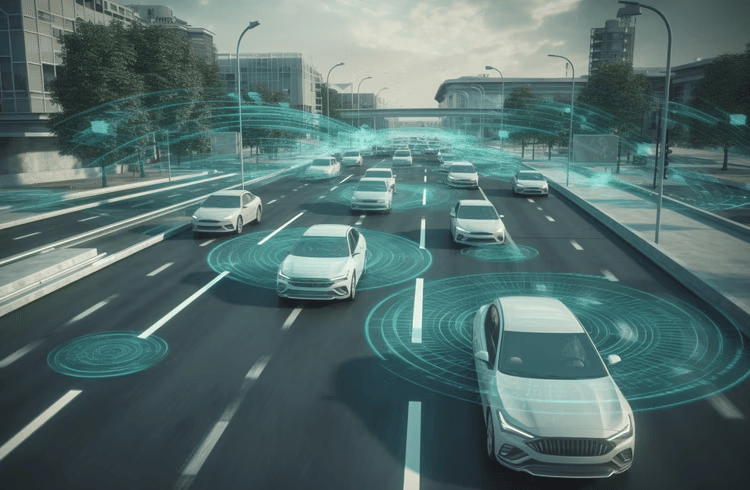
Software-defined vehicles (SDVs) were meant to extend vehicle life through upgradable software. At least, that was the promise. Instead, software may be shortening perceived relevance—and someone will eventually pay for that gap.
The automotive industry is enthusiastic about software-driven longevity: vehicles that stay updated, relevant, and competitive for longer. What is far less understood—or conveniently ignored—is the long tail of cost, liability, and operational burden that follows this promise.

RELATED ARTICLES

Ashok Leyland, IIT Madras Launch 40-City Electric Truck Drive
 Eshisha Java
 29 Sep 2026
Ashok Leyland and IIT Madras have launched a 40-city electric truck drive to build awareness and acceptance of battery e...


Highway Roop Acquires Chamundi, Adds Aluminium Die-Casting Capabilities
Eshisha Java
29 Sep 2026
Highway Roop acquires Chamundi Die Cast, adding aluminium die-casting and machining capabilities and expanding its South...

Exclusive: Hyundai India Scouts Third Manufacturing Location For Next Phase Of Growth
Ketan Thakkar
29 Sep 2026
New facility could add 500,000 units of annual capacity in phases; Chhatrapati Sambhaji Nagar and Sanand are under consi...