

 Follow us
Weekly Wrap: JSW’s Ampstar, China-Linked Auto PLI, Ashok Leyland’s Battery Plan, Honda’s Engine Talks
JSW enters electric commercial vehicles category, Ashok Leyland evaluates a battery project in Maharashtra, and Honda explores engine sourcing for a new compact SUV.
 27 Sep 2026
 1 Views
Share -
1 Views
Share -


India’s automotive industry saw a busy week between September 21 and 27, with new products, manufacturing investments and technology plans taking centre stage.
Tata Motors launched the Aeris compact sedan as it seeks to attract buyers who might otherwise choose a premium hatchback or compact SUV. Suzuki outlined a wider technology roadmap for India, including lower-cost advanced driver assistance systems (ADAS), new powertrains and faster vehicle development. Honda is in talks to source engines for a future compact SUV.
In commercial vehicles, JSW Group formally entered the electric truck and bus market with its Ampstar brand and outlined plans for a substantial manufacturing scale-up. Ather Energy, meanwhile, set out the volume and profitability expectations for its new entry-level scooter.
The week also brought fresh investments across automotive components and semiconductors, Hero Motors’ stock market debut and industry reflections on the first anniversary of GST 2.0.
Here is a round-up of the key developments during the week.
Passenger Vehicles
Tata Motors Launches Aeris to Bring Buyers Back to Sedans
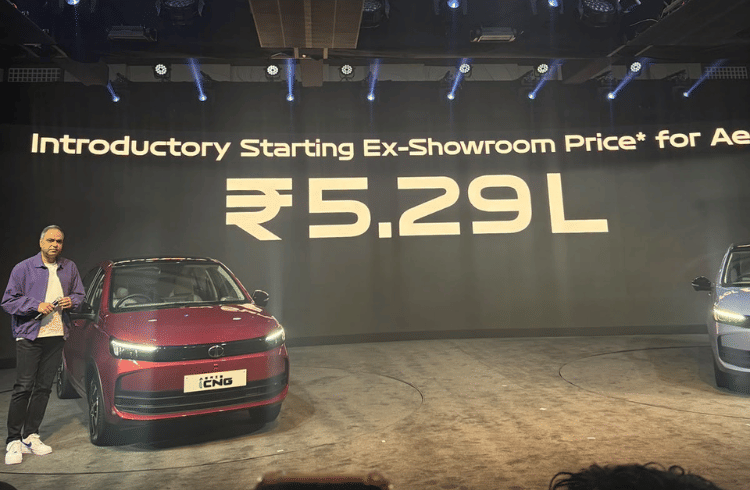 Tata Motors launched the Aeris compact sedan , replacing the Tigor in its personal-buyer portfolio. Introductory prices start at ₹5.29 lakh for the petrol version and ₹6.29 lakh for the CNG version.
The company is positioning the Aeris as an alternative to premium hatchbacks, offering features including six airbags as standard, ventilated front seats and an integrated dashcam on select variants. Tata has also separated its private and fleet propositions, with the Aeris reserved for personal buyers and the Xpres range continuing to serve fleet operators.
An analysis of the product strategy examined how Tata hopes to retain customers who enter showrooms considering a sedan but eventually leave with an SUV.
Tata EV Demand Outpaces Supply, Commodity Costs Add Pressure
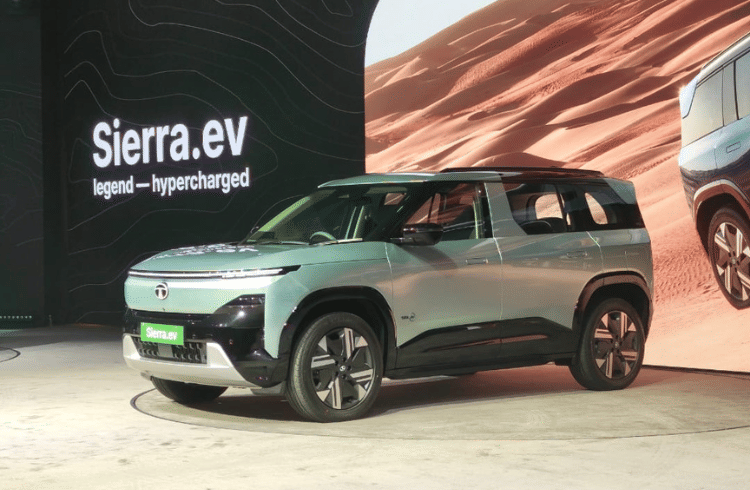 Tata Motors Passenger Vehicles said electric vehicles now account for around 25% of its sales , compared with roughly 14% last year. Managing Director Shailesh Chandra said demand for its EVs is nearly three times the supply currently available.
The company also warned of further commodity cost pressure . Chandra said the impact could be equivalent to an additional 3% of revenue in the July-September quarter, following an increase equivalent to around 4% of revenue in the first quarter.
Honda Explores Engines; Renault Sets Duster Hybrid Launch
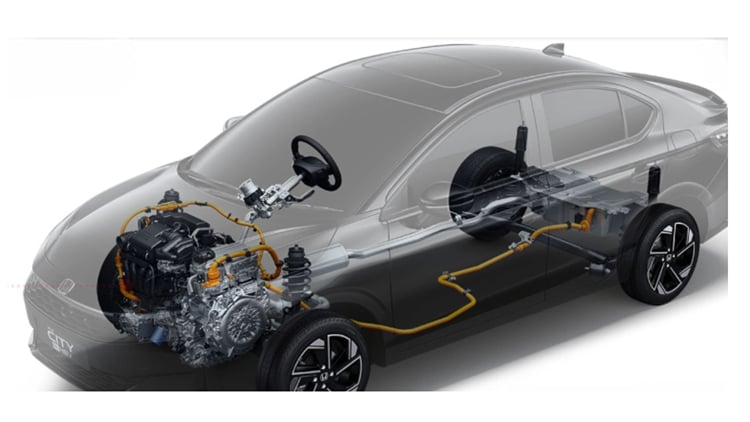 Honda Cars India is in talks with Horse Powertrain to source a 1.2-litre engine for a future compact SUV, with petrol, hybrid and CNG options under consideration. Honda has not confirmed the proposed sourcing arrangement or product programme.
Renault, meanwhile, confirmed October 17 as the launch date for the Duster strong-hybrid . The 1.8-litre petrol-electric powertrain will join the SUV’s existing turbo-petrol options.
Suzuki Plans Wider ADAS Adoption and New Powertrains
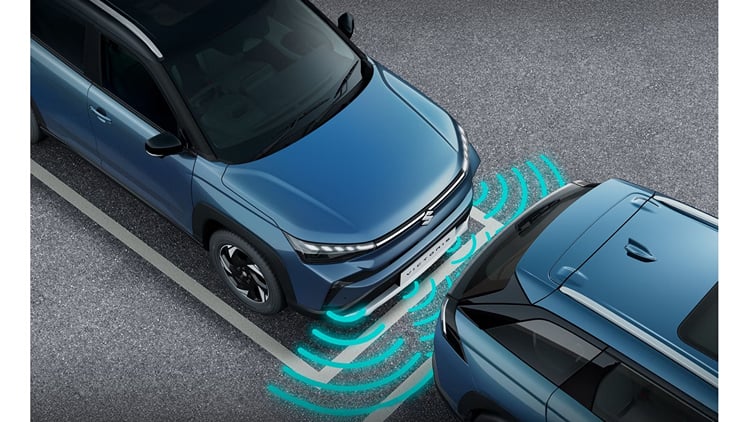 Suzuki Motor Corporation outlined plans to make core ADAS functions standard on future vehicles in India , including affordable models. It is developing a lower-cost system built around cameras and integrated electronics, although the company has not announced the first models or a rollout date.
The Japanese automaker also confirmed development of a plug-in range-extender system for compact cars and a new direct-injection turbocharged engine for markets including India. Its broader engineering roadmap includes cutting vehicle weight by around 100 kg by 2030 and halving new-model development time.
Mahindra Updates Thar; Maybach Facelift Set for India
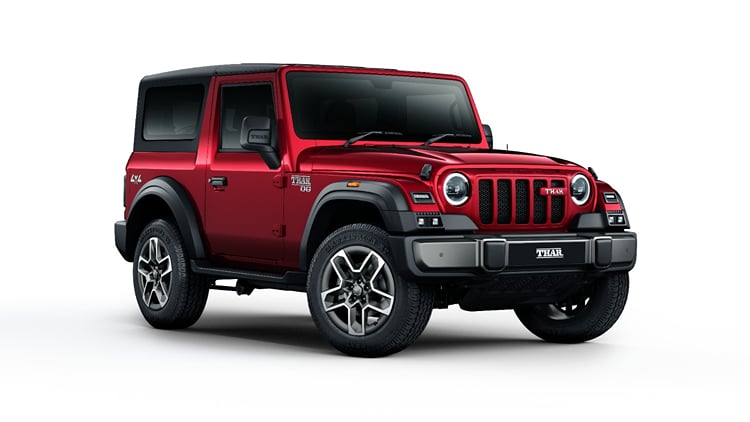 Mahindra launched the Thar OG, an updated version of its three-door SUV, with introductory prices starting at ₹10.32 lakh. The model gets a revised platform, suspension and steering, along with additional equipment.
At the luxury end of the market, Mercedes-Benz confirmed an October 5 India launch for the facelifted Mercedes-Maybach S-Class. The update brings revised styling, technology and personalisation options.
Stellantis Takes Full Control of India Assembly Venture
 Stellantis acquired the CK Birla Group’s remaining stake in Stellantis Automobiles India, taking full ownership of its Thiruvallur assembly operation. The company plans to increase annual output at the facility from around 16,000 vehicles in 2026 to more than 43,000 by 2028.
Commercial Vehicles
JSW Unveils Ampstar, Outlines Electric CV Capacity Plans
 JSW Greentech launched Ampstar, its electric commercial vehicle brand, showcasing a 55-tonne tractor-trailer and an electric bus.
Its Chhatrapati Sambhajinagar facility has an initial installed capacity of 15,000 heavy electric commercial vehicles annually. The company is targeting production of 500-1,000 vehicles in the current financial year and has outlined an ambition to reach 100,000-truck capacity by 2030.
JSW said the ₹2,500-crore plant could generate ₹12,000 crore in annual vehicle revenue at full utilisation, which management expects to take five to seven years.
Chairman Sajjan Jindal also outlined a strategy to build automotive R&D capabilities in India, while drawing on technologies already proven in China’s electric vehicle market.
VECV’s New CEO Outlines Growth Strategy
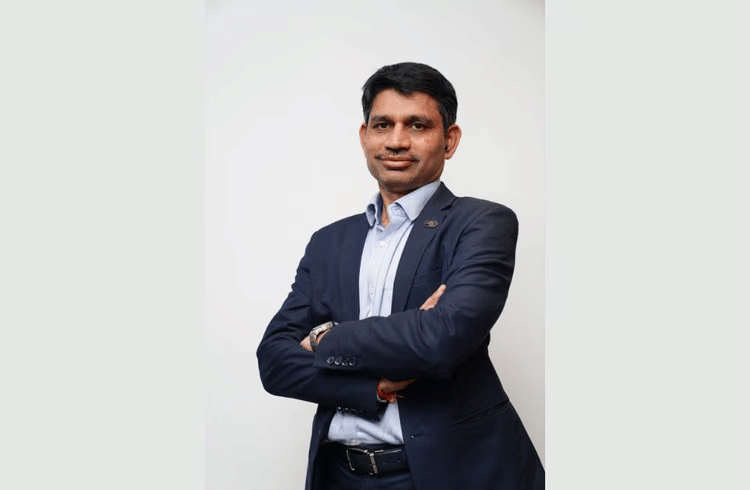 In an interview with Autocar Professional, VECV Managing Director and CEO B. Srinivas outlined his plans for the company after spending 32 years in the organisation. His priorities include expanding Eicher’s presence in heavy-duty trucks, improving vehicle uptime through connected technologies and developing products across multiple fuel types.
Ashok Leyland Evaluates Battery Project in Maharashtra
 Ashok Leyland is evaluating an EV battery manufacturing project in Bhandara, Maharashtra, which could involve an investment of ₹10,000-15,000 crore, according to a Times of India report citing Union Minister Nitin Gadkari. The investment remains a proposal, with no final project commitment announced in the report.
Volvo CE Plans Localised Wheel Loaders for 2027
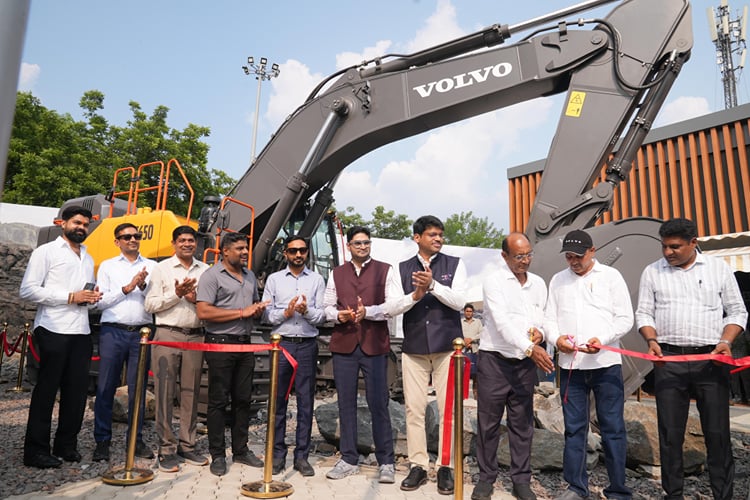 Volvo Construction Equipment said it plans to introduce locally manufactured medium wheel loaders in India in 2027 .
The move is part of a portfolio restructuring following its global exit from Chinese joint-venture partner SDLG. Volvo CE is seeking to address a gap between its existing premium wheel loaders and demand in the broader Indian market.
Cityflo Prepares to Expand Bus Operations
 Premium commute operator Cityflo said 120 of its 150 routes are cash positive. The company expects revenue of around ₹300-320 crore this year, compared with about ₹130 crore last year. It plans to add roughly 1,000 buses annually over the next three years, including up to 250 electric buses.
The corporate vehicle leasing market presents a different growth opportunity. A report on India’s field workforce and fleet leasing explored why many companies continue to rely on employees’ personal two-wheelers rather than dedicated vehicle fleets. Leasing operator Ayvens pointed to corporate salary structures, regulatory hurdles and vehicle economics as barriers to wider adoption.
Electric Mobility and Two-Wheelers
Ather Bets on Konarc to Drive Its Next Growth Phase
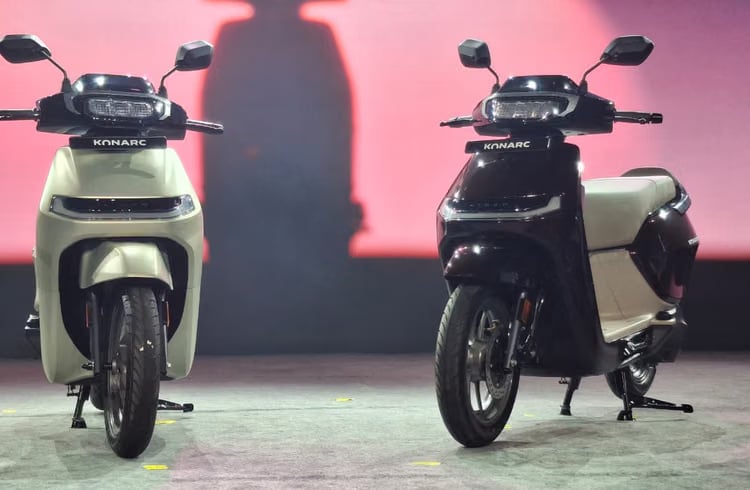 Ather Energy expects the ₹99,999 Konarc to account for around 50-60% of its portfolio over the next two years as it targets buyers currently using petrol scooters.
Chief Business Officer Ravneet Phokela also said the new scooter delivers better margins than the Rizta, supported by the lower cost structure of Ather’s EL platform.
Its initial rollout remains limited by supply, with production expected to improve after the commissioning and ramp-up of its new manufacturing facility.
Honda Announces Prices for QC3 Electric Scooter and CB500
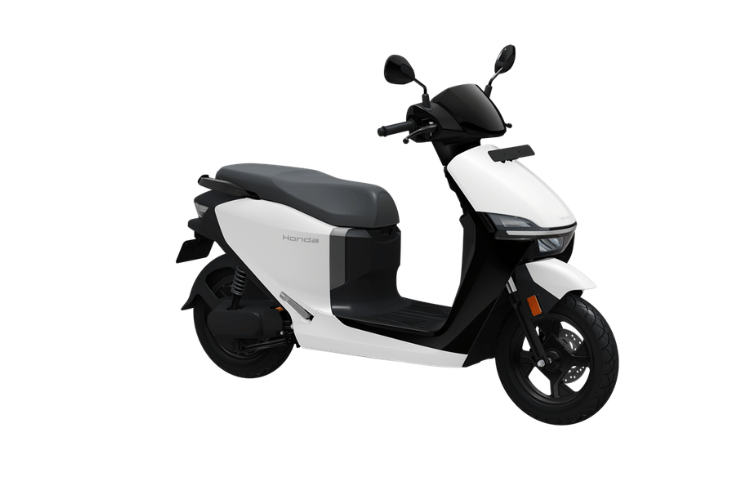 Honda Motorcycle and Scooter India announced pricing for its QC3 electric scooter, CB500 motorcycle and updated CB350 range.
The QC3 is priced at ₹1.35 lakh, while the CB500 starts at ₹2.75 lakh. The refreshed CB350 range starts at ₹1.95 lakh. The launches mark the retail rollout of products introduced as part of Honda’s expanded portfolio earlier this year.
Ultraviolette Raises $85 Million; Zelio Plans ₹168-Crore Fundraise
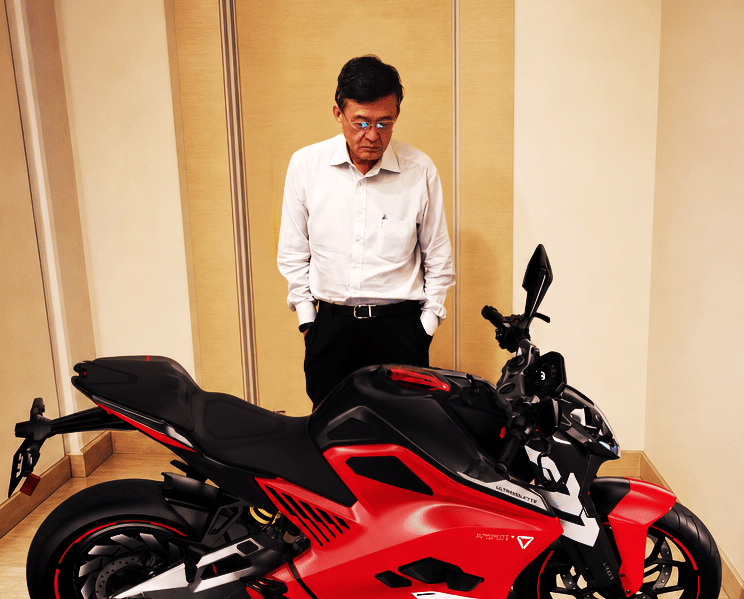 Electric motorcycle maker Ultraviolette raised $85 million in fresh funding to support production expansion, next-generation EV platforms and international growth. The company is targeting entry into the US market in 2027 and has outlined plans for manufacturing capacity of up to five lakh vehicles annually.
Zelio E-Mobility also received board approval to raise up to ₹167.96 crore through equity shares and convertible warrants, subject to the required approvals. The proposed funds will support manufacturing expansion, including a planned electric three-wheeler facility in Patan, Haryana, and a wider retail network.
Electric Scooter Exports Jump 450%
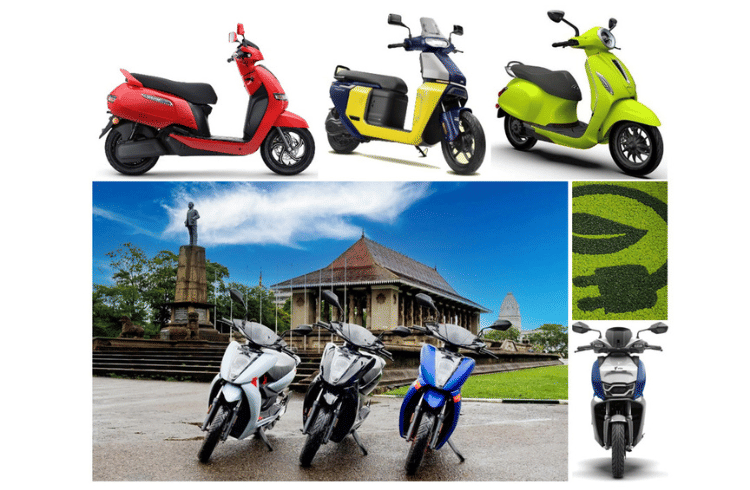 Exports of made-in-India electric scooters rose nearly 450% year-on-year to 15,418 units in April-August 2026. TVS Motor led with 6,702 units, followed by Bajaj Auto with 4,818 and Ather Energy with 3,573. Together, the three companies accounted for around 98% of electric scooter exports during the period.
Tata Power and Mahindra Outline Charging Network Expansion
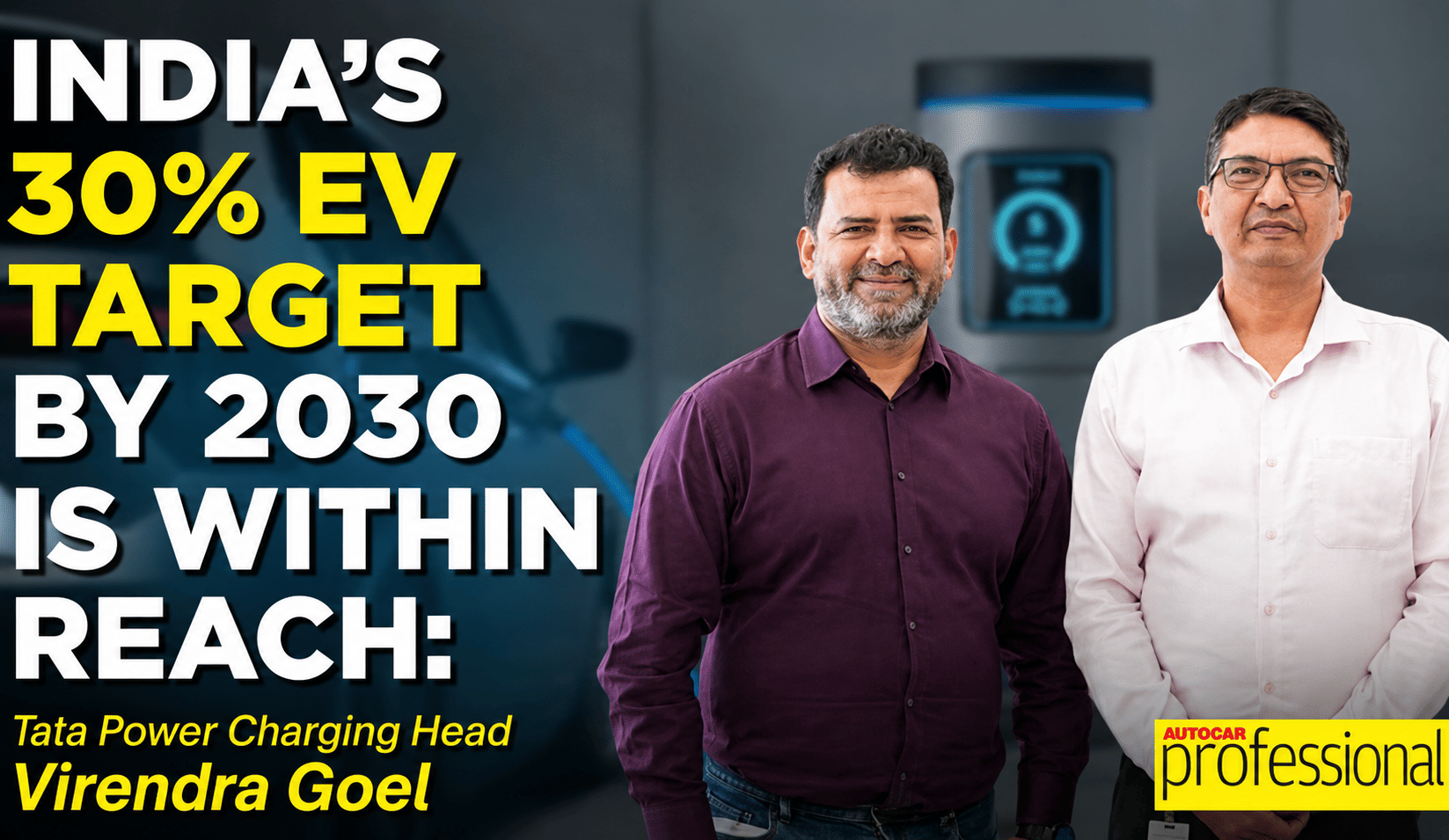 Tata Power has deployed more than 2.5 lakh home chargers and operates over 6,700 public charging points across India, according to Virendra Goyal, Head of Business Development, EV Charging. In a video interview with Autocar Professional, Goyal discussed charging costs, utilisation and the company’s targets of 10,000 public chargers and 7.5 lakh home chargers by 2030.
Mahindra, meanwhile, said its Charge_iN network has reached 50 operational stations, with more than 200 live charging points. The company has also commissioned its first joint fast-charging site with HPCL on the Mumbai-Pune Expressway. It aims to expand to 250 stations and approximately 1,000 charging points by December 2027.
Components, Tyres and Investments
JK Tyre and CEAT Prepare for the Next Expansion Phase
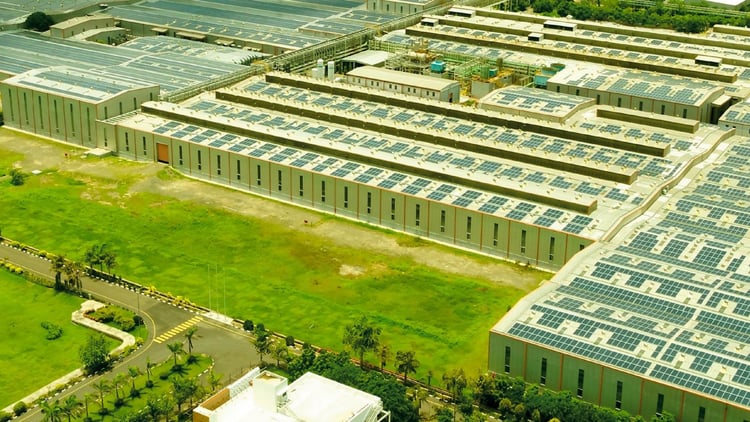 JK Tyre is undertaking a ₹4,980-crore brownfield expansion in passenger-car and truck and bus radial tyres, alongside ₹1,130 crore of projects already under implementation. The new programme is expected to increase combined capacity by about 24% through 2029. Management said capacity constraints had prevented it from fully servicing some export orders, while it continues to focus on premium tyres and fleet services.
CEAT Specialty, meanwhile, is preparing to raise capacity at its Ambernath plant from 105 tonnes per day to 160 tonnes per day. The expansion comes as CEAT integrates the CAMSO business acquired from Michelin, giving it access to construction tyres, tracks, new customers and distribution channels. The next task is to increase utilisation across the acquired operations.
Kaynes Plans $50 Million Automotive Chip Lab
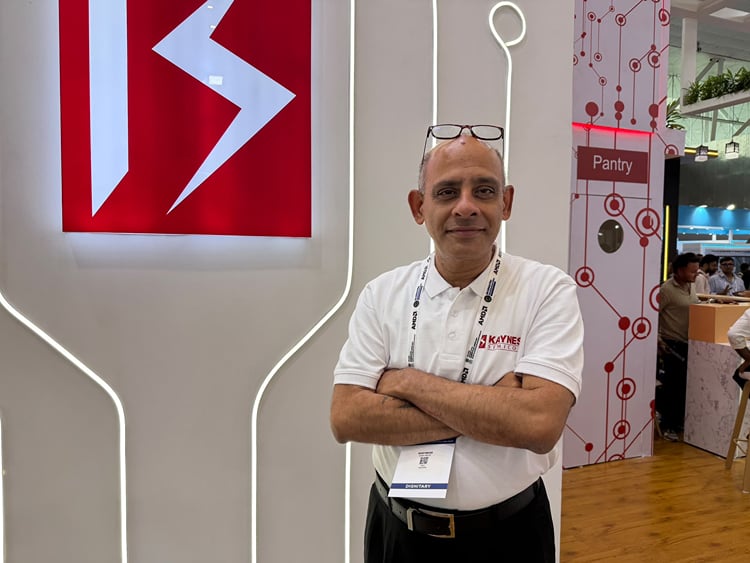 Kaynes Semicon is investing around $50 million in a reliability and failure-analysis laboratory as it builds its automotive semiconductor business. The facility is expected to become operational in December and will initially focus on automotive chip qualification before expanding into space-grade applications.
Bharat Forge Raises ₹2,000 Crore Through QIP
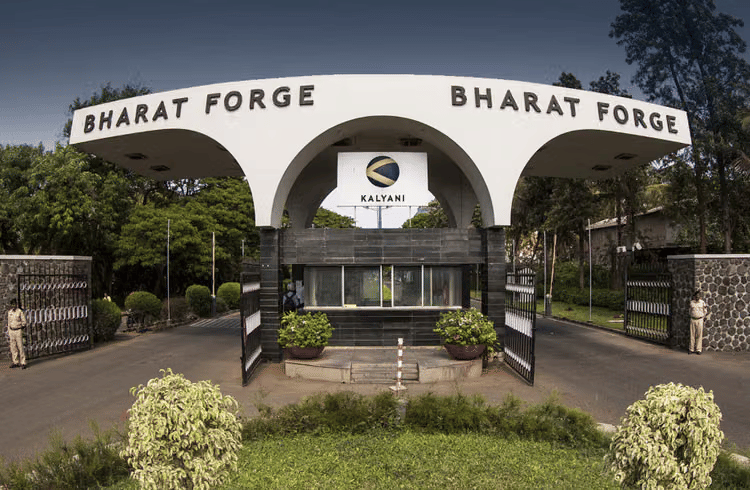 Bharat Forge raised approximately ₹2,000 crore through a qualified institutional placement, allotting about 1.06 crore equity shares. The fundraising adds to a week of capital-raising activity among companies preparing for manufacturing and technology investments.
Endurance and Sedemac Add Manufacturing Capacity
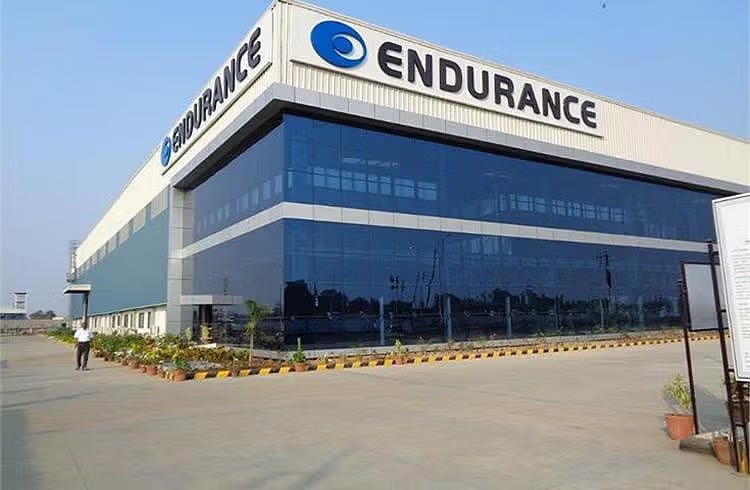 Endurance Technologies commenced production at its approximately ₹401-crore facility in Chhatrapati Sambhajinagar. The plant has an initial casting capacity of 900 tonnes per month, scalable to 1,100 tonnes.
Powertrain and mechatronics supplier Sedemac also began limited commercial production at its third Pune manufacturing facility, with the remaining lines to be operationalised in phases.
Hero Motors Makes Market Debut
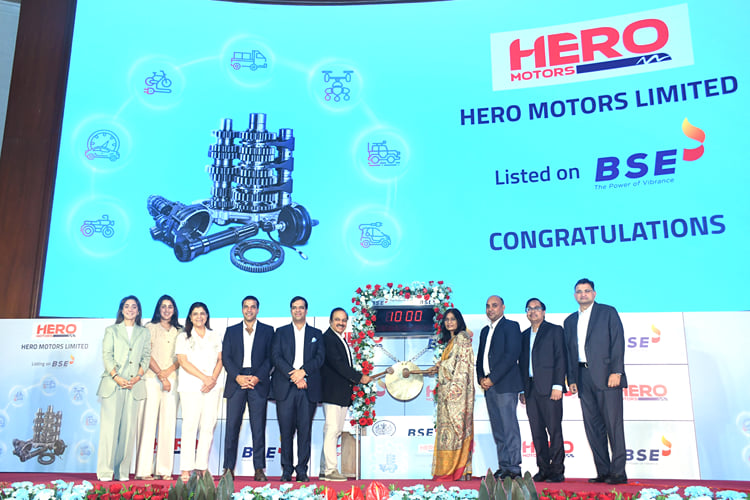 Hero Motors listed at ₹82.10 on the BSE, below its IPO issue price of ₹84 per share, before recovering during the first trading session. The ₹1,000-crore offering had been subscribed 6.66 times. The company closed its debut session with a BSE market capitalisation of around ₹4,474 crore.
Policy and Industry Developments
Auto Industry Marks One Year of GST 2.0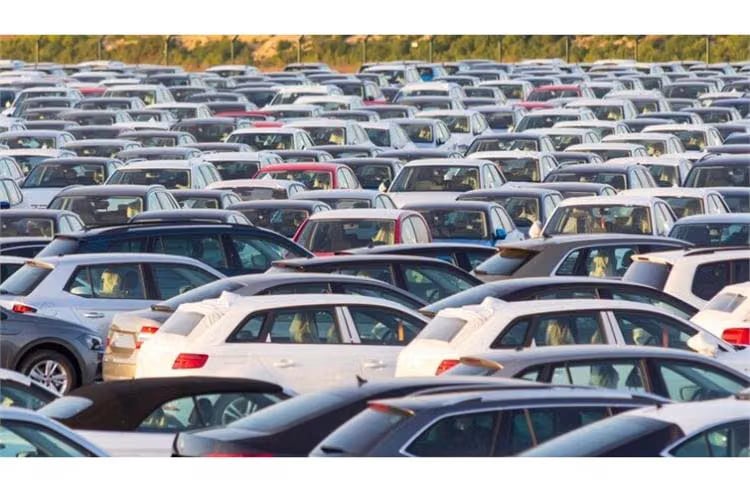 The industry reflected on one year of GST 2.0, with automakers and dealers pointing to stronger demand following last year’s rate rationalisation.
FADA said vehicle retail exceeded three crore units during October 2025-August 2026, growing nearly 20% year-on-year, compared with growth of less than 5% in the corresponding earlier period. Industry executives also highlighted improving demand for entry-level cars.
Auto PLI Applications Involving Chinese Investment Could Be Considered
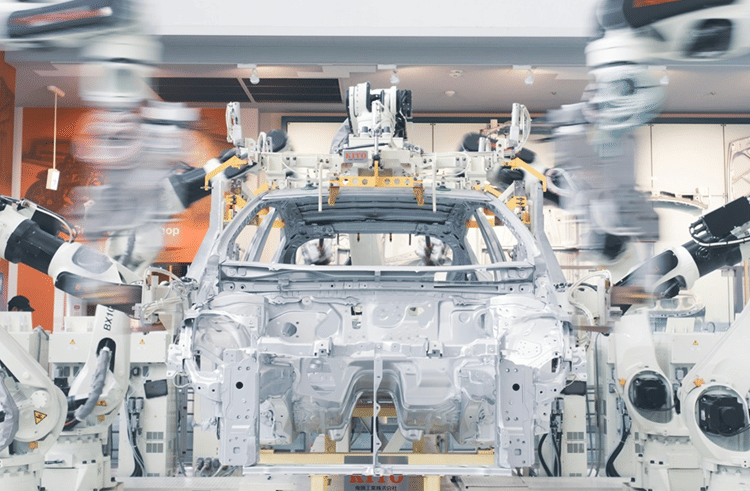 The government is likely to consider existing auto PLI applications involving Chinese investment once the necessary foreign direct investment approvals are secured, according to a media report.
The report said the move could cover applications involving JSW MG Motor India and Tata AutoComp’s joint ventures with Chinese companies. The government is not planning to reopen the scheme for fresh applications.
Proposed EU Scrap Restrictions Raise Supply Concerns
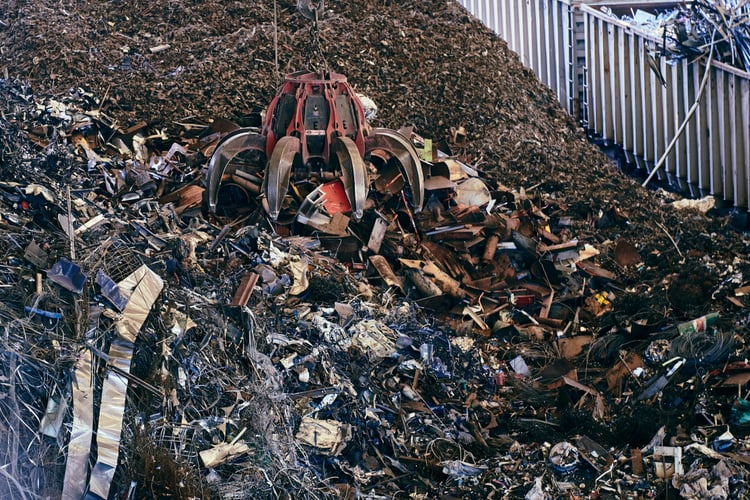 India’s automotive recycling chain could face a new raw-material challenge after the European Commission proposed excluding India from the list of non-OECD markets authorised to receive EU metal waste.
If adopted, the proposed restriction would take effect from May 2027. It could affect access to imported metal scrap used by India’s secondary aluminium industry, an important supplier to automakers. The proposal has not yet completed the EU adoption process.
New Rules for Mobile CNG and CBG Refuelling
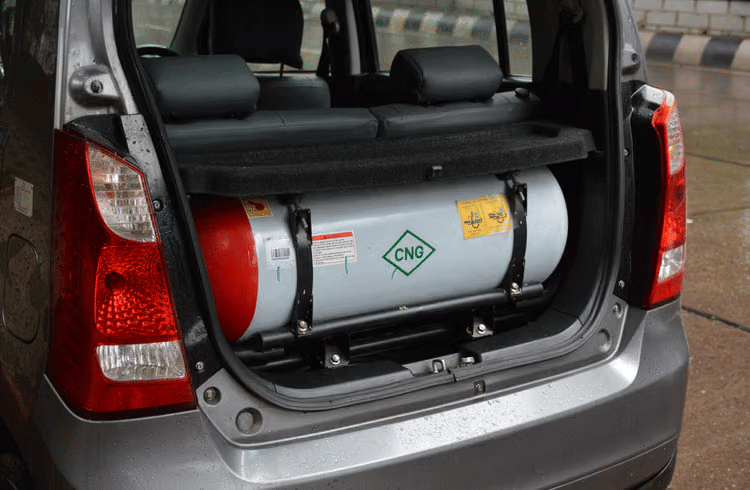 The government notified rules for mobile CNG and compressed biogas refuelling units, setting out conditions covering ownership, operation, safety systems and permitted applications.
Separately, Maruti Suzuki commissioned a 300kW green hydrogen pilot plant at Manesar. The facility uses surplus solar power to produce hydrogen that is blended with natural gas for manufacturing operations.
Overall, the week brought together near-term product activity and longer-term industrial investment. Automakers are widening their product and powertrain choices, electric mobility companies are working to scale volumes and infrastructure, and suppliers are adding capacity for the next phase of demand. Rising input costs and the need to turn investment into profitable growth remain important issues across the sector.

RELATED ARTICLES

Mumbai Driving Scores Fell During Ganeshotsav, Data Shows
 Autocar Professional Bureau
27 Sep 2026
Autocar Professional Bureau
27 Sep 2026
A telematics analysis found fewer clean-run drives during the festival's first eight days, with the shift concentrated i...


Tata Aeris: Can aggressive Pricing and Rich Features Bring Buyers Back to Sedans?
 Ketan Thakkar
26 Sep 2026
Ketan Thakkar
26 Sep 2026
After studying why customers who considered a sedan often left Tata showrooms in an SUV, the company has given its new c...

Arete 22 Files DRHP with SEBI for ₹440-Crore IPO
 Shruti Shiraguppi
26 Sep 2026
Shruti Shiraguppi
26 Sep 2026
Precision aluminium components maker plans to use proceeds for working capital, debt repayment and capacity expansion.