Follow us
Weekly News Wrap: Renault’s India Push, Nissan-Honda Play, Royal Enfield’s Plans, Agratas’ £380 Million Grant
Renault sharpens India strategy with export and product push, Nissan signals partnership flexibility, Royal Enfield expected to scale-up, the government holds firm on CAFE-III timelines, and the UK deepens its clean-mobility partnership with Tata Group.
 By Darshan Nakhwa
 1174 Views


India’s automotive sector entered the new fiscal year with a mix of aggressive growth plans and tightening regulatory signals, even as global headwinds continued to shape strategy and execution.
The week saw Renault place India at the centre of its global roadmap with a multi-billion-euro export ambition and a fresh product offensive, signalling renewed intent in one of the world’s fastest-growing auto markets. At the same time, Nissan indicated a more flexible partnership approach, opening the door to potential collaborations beyond its long-standing alliance with Renault.
On the domestic front, Royal Enfield is expected to scale production to as much as 1.32 million units in FY27, reinforcing the sustained momentum in the mid-size motorcycle segment. In parallel, the government made it clear that automakers will have to meet stricter fuel efficiency norms on schedule, with no extension likely for CAFE-III compliance.
The week also highlighted the growing global footprint of Indian clean mobility investments, with the UK granting £380 million to Tata Group’s battery arm Agratas for its Somerset EV battery gigafactory, underlining the strategic importance of India-linked supply chains in the global energy transition.
The developments come against a backdrop of rising geopolitical risks, supply chain uncertainties and cost pressures, prompting companies to balance growth ambitions with operational caution.
Here is a detailed round-up of the key developments that shaped the automotive industry during the week:
Renault Targets €2 Billion in Annual Exports from India by 2030, Accelerates Product and Localisation Push
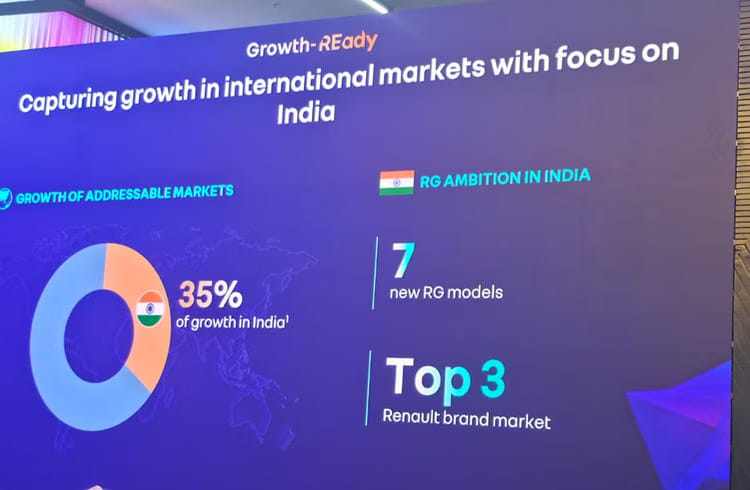
Renault Group is sharpening its India strategy with a target to generate €2 billion in annual exports from the country by 2030, even as it lines up its most aggressive product offensive yet with seven new models. Between the two new platforms, the company will have multiple-powertrain capabilities spanning electric, hybrid, CNG and internal combustion engine (ICE) vehicles.
The strategy rests on four pillars: a seven-model portfolio with full-spectrum electrification, India as a global engineering hub, a strong export play and scaling the country into one of Renault’s top three markets globally. "These four pillars will help us in making india into top 3 renault brand market. We are targeting progressive year-on-year growth in India and are positioning India at the heart of Renault group's global operations," he adds.
No Plan to Export Cars to Europe from India: Renault's François Provost
Renault Bets on India as Top-Three Market; Targets 5% Share with Seven-Model Line-up by 2030
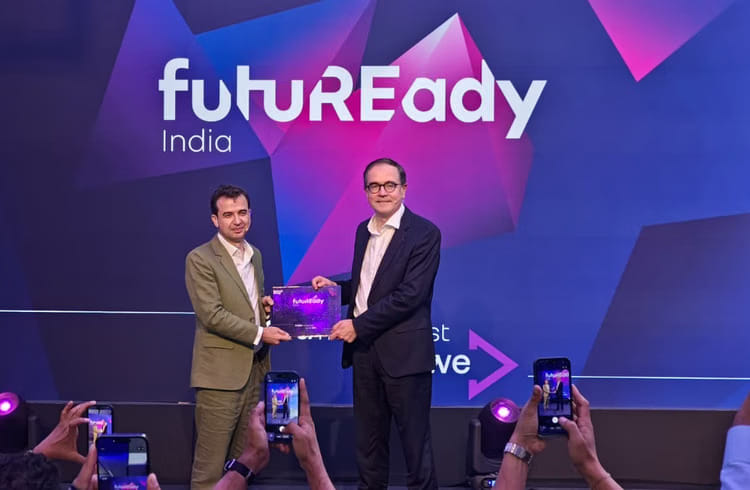
Close on the heels of announcing its FuturREady mid-term plan globally - Renault Group CEO Francois Provost has announced its most aggressive product launch plan in India with 7 new models and 2 new architectures that is going to span across, electric, hybrid, CNG and ICE Vehicles.
Addressing the Indian media for the first time, Provost has placed India at the centre of its global growth strategy, with chief executive outlining an ambition to make the country one of the automaker’s top three markets worldwide by 2030, backed by an aggressive product and technology push.
Greater India Autonomy, New Platforms at the Core of Renault's Revival Plan
Renault India CEO: CNG Rollout in Months, EV to Follow in 2028 as Part of Multi-Powertrain India Strategy
Unveiling its new mid-term plan under the FuturEReady 2030 strategy, Renault India intends to introduce seven new models alongside a diversified powertrain portfolio. Autocar Professional caught up with Stéphane Deblaise, CEO of Renault Group India, who shared insights on plans to add CNG, hybrid, and EV options within a short span of 18 months.
Renault to Introduce RGEP Platform to Strengthen Sub-₹10 Lakh Compact Car Portfolio
Having challenged Maruti Suzuki credibly in the compact car segment over the years, the French car major Renault Group is set to introduce a new Renault Group Entry Platform (RGEP) in India as it looks to reinforce its presence in the sub-Rs 10 lakh segment.
The move aims to replace its ageing small-car architecture and enable a new generation of compact products, making Renault one of the only four carmakers with a strong presence in the market, alongside Maruti Suzuki, Tata Motors and Hyundai Motor India.
Nissan Signals Openness to Honda Collaboration in India as it Expands Partnership Playbook
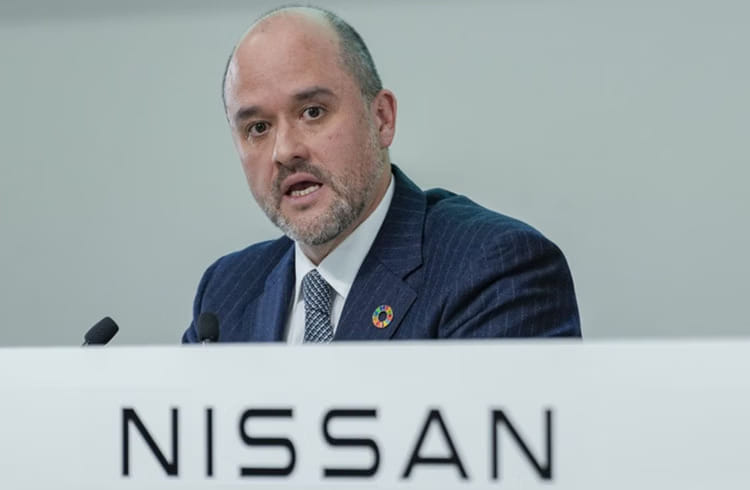
Nissan Motor Co. is keeping its options open on partnerships in India, with CEO Ivan Espinosa indicating that the company is willing to look beyond its existing alliance with Renault as it works to rebuild its presence in the market.
Speaking to Autocar India on the sidelines of the global unveil of the new Juke and X-Trail Rogue in Japan, Espinosa said Nissan is not tied to a single partnership structure in India and could explore other avenues, including with Honda. “We have a good partnership with Renault in India, but the beauty is we can explore other options too. So like you, I too am wondering what we could possibly do with Honda in India,” he said.
Nissan Unveils Long-Term Vision, to Cut Global Model Lineup by Nearly 20%
Nissan Banks on Reserved Capacity to Hold its Ground in India
Nissan has reserved at least 250,000 units of annual capacity at the Chennai plant it no longer owns, Guillaume Cartier, the brand's Chief Performance Officer, said, adding that the arrangement would leave its Indian operations insulated from any fallout of the ownership change.
The facility, which can produce up to 500,000 vehicles a year, is now fully controlled by Renault after Nissan sold its 51 per cent stake as part of a broader restructuring of the Franco-Japanese alliance. The booking extends beyond 2029, Cartier said, with an option to renew for a further cycle. The agreement also fixes a transaction price for vehicles produced under the arrangement, which Nissan hopes will protect the profitability of its Indian operations even as the plant owner assumes day-to-day control of the site.
West Asia Crisis: Volkswagen India Assesses Supply Chain, Cost Impact

While the escalating conflict in West Asia has not derailed the day-to-day operations at Volkswagen Group India, the company's top management noted that the situation could evolve quickly. Its senior leadership acknowledged a set of compounding pressures, including rising commodity prices, potential supply chain disruptions, and an already-softening export market that together represent a meaningful risk to the group's near-term outlook.
"The impact today has not impacted our operational business so far, but some cascading effects can come." said Piyush Arora, Managing Director & CEO of Škoda Auto Volkswagen India.
Volkswagen India launches new Taigun starting at ₹10.99 lakh
Royal Enfield Eyes Output of Up to 1.32 million 2Ws in FY27, Double-Digit Growth in Domestic Volume
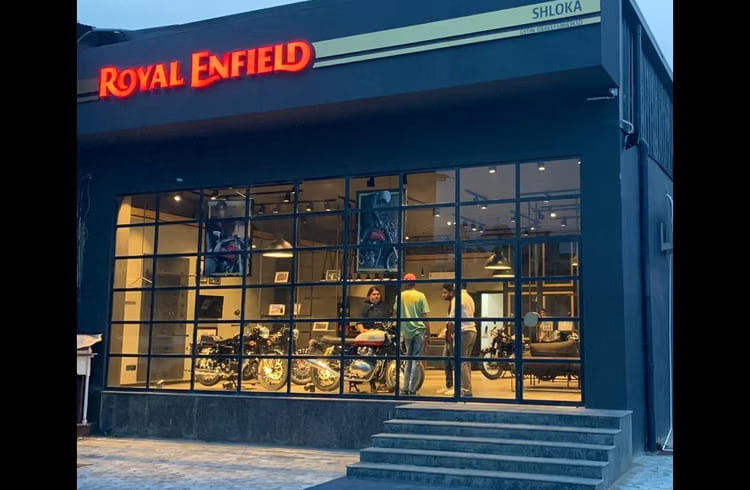
Despite growing competition from global brands such as Triumph, Harley-Davidson and Honda, Royal Enfield continues to outpace the broader motorcycle market, riding on sustained demand in the mid-size segment.
After crossing the 1-million mark in domestic dispatches and the 1.2-million mark in total dispatches in the financial year 2026, the company is looking to maintain its growth momentum with a fresh push in production and sales for the financial year 2027. The company did not respond to Autocar Professional’s request for comment on its financial year 2027 production and sales plans.
Bajaj Relaunches Dominar 400 With 350cc Engine, Slashes Price by ₹37,000
India Notifies First Chip Fabrication Plant at Dholera SEZ

The central government has notified a Special Economic Zone (SEZ) for Tata Semiconductor Manufacturing Pvt Ltd at Dholera, Gujarat — India's first chip fabrication plant — covering 66.166 hectares and projected to employ 21,000 persons in electronic hardware, software, and IT-enabled services.
The SEZ includes enabling infrastructure and a dedicated approval mechanism to streamline operations and logistics. With a proposed investment of ₹91,000 crore, it will operate as an AI-enabled semiconductor fabrication facility.
UK Grants £380 Million to Tata's Agratas for Somerset EV Battery Gigafactory
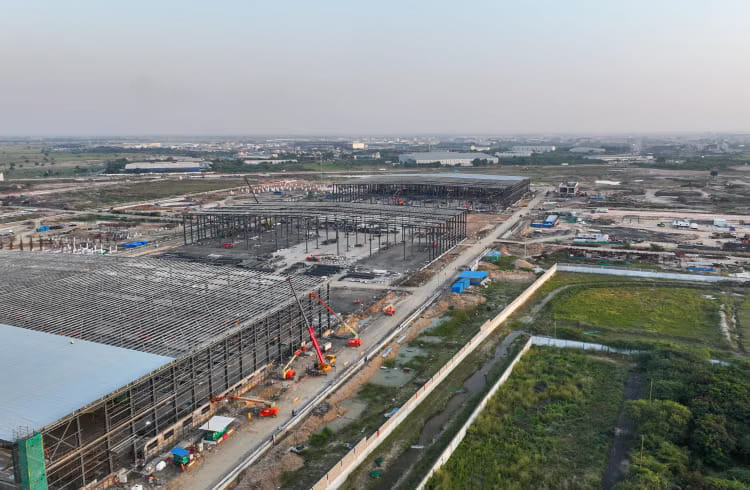
The United Kingdom's Advanced Propulsion Centre (APC) has officially announced a £380 million grant, approximately $510 million, to Agratas, the battery manufacturing arm of India's Tata Group. The funding forms a key component of a broader £470 million government grant package aimed at strengthening domestic electric vehicle supply chains.
The grant was facilitated through the Department for Business and Trade's DRIVE35 Automotive Transformation Fund. The British High Commission in India described the development as a strong example of UK-India partnerships shaping the future of clean mobility.
Tata Motors' Dual-Fuel Strategy to Tackle West Asia Disruptions
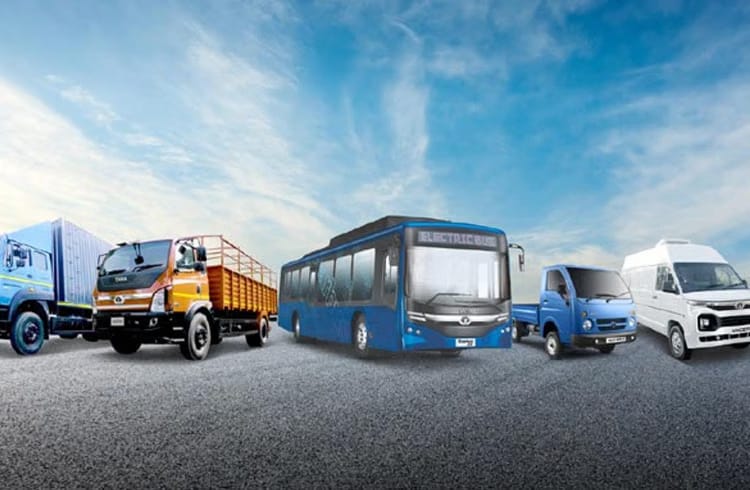
Tata Motors claims to have neutralized energy supply chain threats from the West Asia crisis by deploying a dual-fuel manufacturing strategy that allows its plants and vendors to swap energy sources instantly.
Vishal Badshah, Vice President and Head of Operations, said the company’s proactive risk assessments and ability to toggle between industrial fuels, such as switching from Liquefied Petroleum Gas (LPG) to Light Diesel Oil (LDO), have kept production lines moving while shielding the automaker from regional energy shortages and price spikes.
Green Drive Mobility and Tata Motors Expand EV Cargo Collaboration, Targeting 1,000 EVs by 2028
West Asia Conflict Stalls Tata Motors’ Export Engine
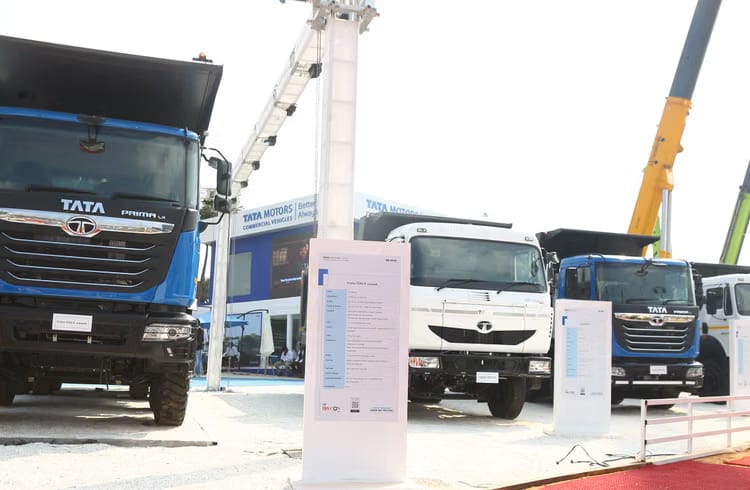
The West Asia conflict has triggered an immediate collapse in Tata Motors' Middle East exports, as shipping blockades halt vehicle dispatches and sour market sentiment.
According to Girish Wagh, MD & CEO of Tata Motors Ltd., the impact on the Middle East market was instantaneous. "I think the Middle East has got impacted immediately because the event is happening there," Wagh noted. The disruption isn't just about market demand; it is a total logistical breakdown. Wagh explained that "our dispatchers all crashed to Middle East" primarily because the physical means of transport, the ships, have simply stopped moving in and out of the region.
Scania Expands Indian Operations With New Bengaluru Office
How Tata Motors’ Lucknow Plant Evolved from the 407 Era to a Million-Vehicle Milestone
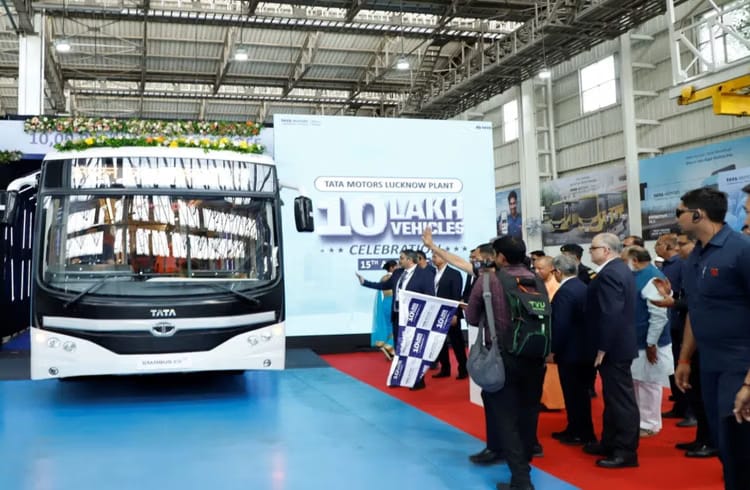
On April 25, 2026, the industrial landscape of Uttar Pradesh marked an important milestone as Tata Motors celebrated the rollout of its 10th lakh commercial vehicle from its Lucknow facility. This achievement is the culmination of a three-and-a-half-decade journey that began in the mid-1980s. At that time, the state government provided 6,000 acres on Deva Road, hoping a modern private-sector entrant could repair an industrial reputation then marred by labour unrest at state-owned firms. The plant’s first truck, a variant of the LP-1210, eventually debuted in late 1992, following a 1986 groundbreaking ceremony.
No Purchase Postponement Yet Amid Proposed ICE Ban in Delhi: Ashok Leyland
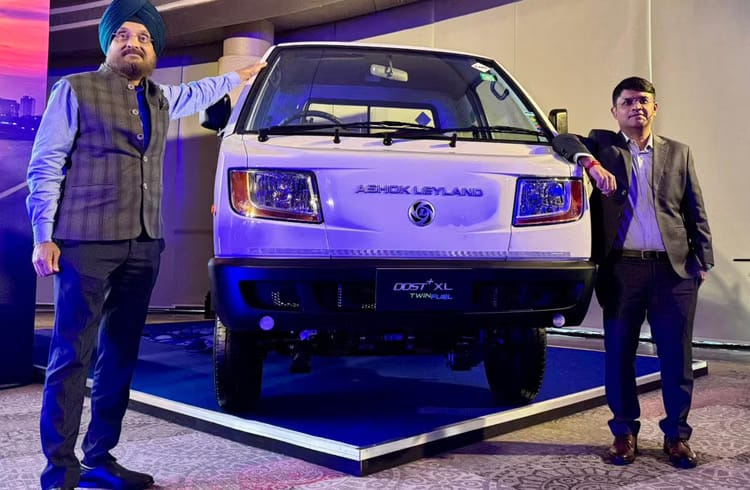
Ashok Leyland has ruled out any immediate impact of the proposed EV policy in Delhi on commercial vehicle demand, even as it acknowledged that customers are increasingly evaluating fuel choices more closely amid shifting economics and regulatory signals.
Speaking at a media roundtable held during the launch of twin-fuel variants of the DOST and DOST+ XL, Amandeep Singh, President – LCV, IO, Defence & Power Solutions, and Viplav Shah, Head – LCV Business, said that while the policy has triggered conversations in the market, it has not led to purchase delays. “Policy will play a role, but total cost of ownership will ultimately drive the customer’s decision,” Singh said.
Ashok Leyland Launches ‘Twin-Fuel’ Variants Of Its Dost LCV
Bajaj Auto Launches ‘WEGO’ Electric 3W Range Starting at Rs 3.11 Lakh
FADA Seeks Dealer Inclusion In Delhi EV Policy
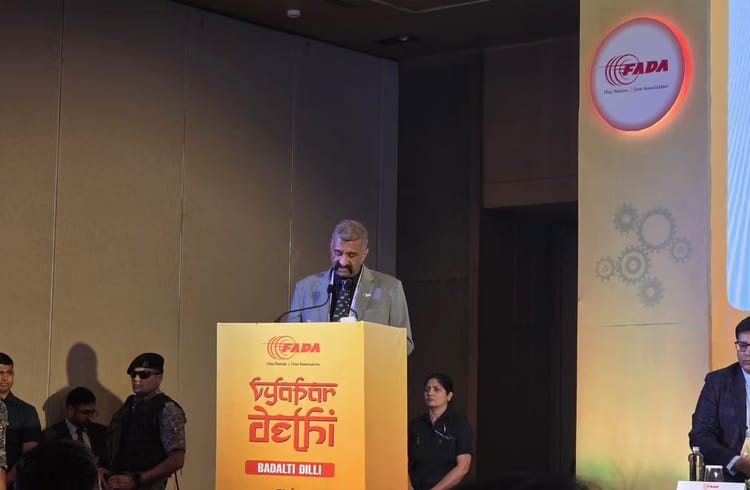
As the Delhi government moves to firm up its electric vehicle policy framework, the Federation of Automobile Dealers Associations has called for greater inclusion of dealers in the policy roadmap, stressing the need to balance environmental goals with livelihoods on the ground.
Speaking at an industry event in the capital, FADA President C S Vigneshwar positioned Delhi as central to India’s mobility transition, both as a policy hub and a testbed for new ideas.
Delhi's EV Ban to Add 600,000 Electric Two-Wheelers on India's Roads: CRISIL
FADA Offers to Invest in EV Charging, Scrappage Infra in Delhi
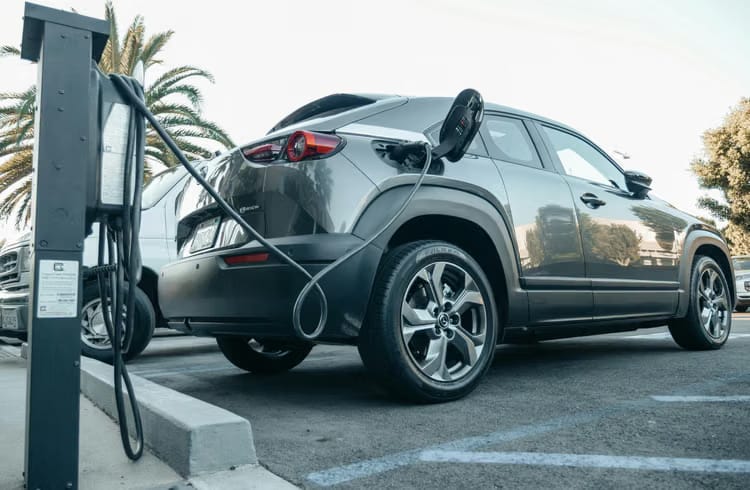
The Federation of Automobile Dealers Associations has proposed to directly invest in Delhi’s electric vehicle ecosystem, positioning dealers as active partners in the capital’s transition to cleaner mobility rather than just retail stakeholders.
Speaking at an industry event, FADA President C. S. Vigneshwar said the shift to EVs must be enabling and inclusive, particularly for dealer networks that serve as the last-mile interface with customers. Referring to the recently released EV policy draft, he said the industry supports the transition but emphasised that “enablement always goes faster than enforcement,” underscoring the need to align policy intent with on-ground realities.
CM Rekha Gupta Asks Dealers to Motivate Customers to Switch to EVs
Sub-Rs 1 Lakh Segment to Remain Ampere’s Priority: Greaves Electric MD

Greaves Electric Mobility will continue to focus on the sub-Rs 1 lakh electric two-wheeler space as the cornerstone for its Ampere brand’s growth strategy. The company believes affordability will remain the decisive factor in expanding electric vehicle adoption in India’s mass market.
According to Greaves Electric Mobility Managing Director Vikas Singh, the value segment presents the largest and most sustainable opportunity in the transition to electric mobility, particularly as competition intensifies across price bands.
Simple Energy Prices Ultra Electric Scooter at Rs 2.34 Lakh
Ola Electric Launches S1 X+ 5.2 kWh Scooter at ₹1.3 Lakh
CAFE-III Deadline Stays, Government Signals no Reprieve for Carmakers
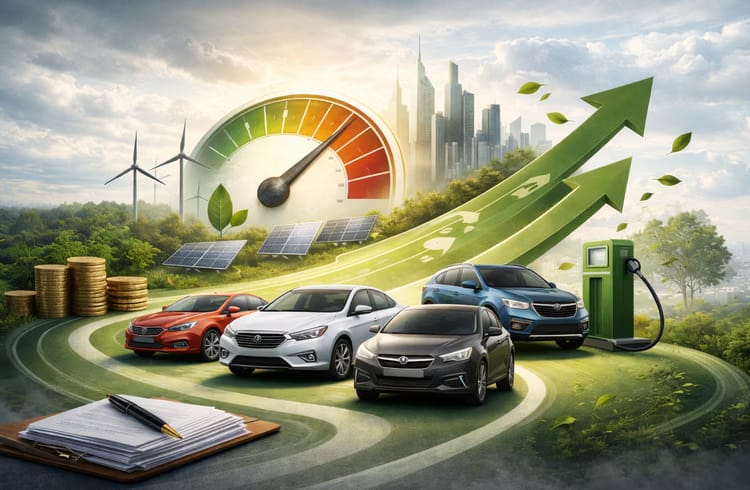
India's automobile industry will have to meet tougher fuel efficiency standards from April 1, 2027, with the government indicating that the deadline for the third phase of the Corporate Average Fuel Efficiency (CAFE) rules will not be pushed back.
Hanif Qureshi, additional secretary at the Ministry of Heavy Industries, said the question of an extension was unlikely to arise because the ministry had been consulting manufacturers through the drafting process and had taken their feedback on board. The CAFE-III window runs from April 1, 2027, to March 31, 2032.
ISMA Pushes Back on Draft CAFE-3 Norms, Seeks Stronger Flex-Fuel Vehicle Incentives
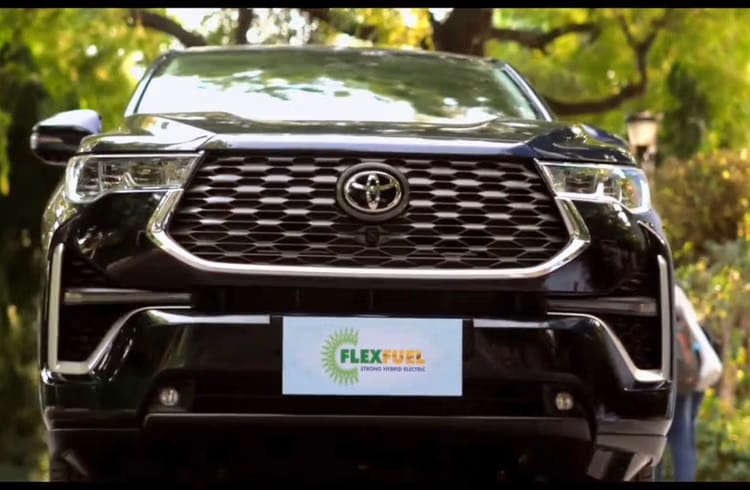
The Indian Sugar & Bio-Energy Manufacturers Association (ISMA) has formally requested the Ministry of Power to reinstate stronger incentives for Flex Fuel Vehicles (FFVs) under the Draft Corporate Average Fuel Efficiency (CAFE-3) norms, citing concerns that the current draft's reduced provisions could dampen automotive industry momentum toward ethanol-compatible vehicles.
In its communication to the government, the apex industry body representing private and public sector sugar and bio-energy producers acknowledged ongoing policy support for ethanol-based transportation. However, ISMA expressed concern over the reduction of the Volume Derogation Factor (VDF), a key incentive parameter, in the latest regulatory draft, arguing that a weaker incentive structure may discourage automakers from accelerating FFV production.
India is Charting its Own Auto Path, We're Happy to Support: Bosch Chairman
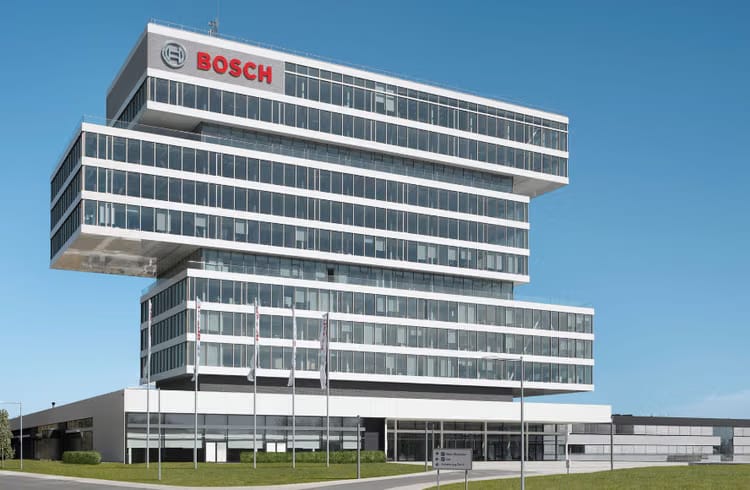
Global component major Bosch Ltd claims that as Indian auto and other companies prefer to forge their own paths and trajectories, they want to become part of this growth journey.
At its annual media briefing, Bosch’s top leadership said India remains a large and steadily growing market, and one of the few globally to have sustained growth last year, with expectations of continued expansion.
Bosch Reports €91 Billion in Sales for 2025, Profits Under Pressure
MAHLE Sees India Revenue Double to €1 Billion in 3-5 Years, Says CEO Franz

MAHLE GmbH expects its India revenue to double to around €1 billion over the next three to five years, as the country emerges as its fastest-growing market and a key pillar in its global growth strategy.
“We expect our revenues (from the region) to double to 1 billion euros over the next three to five years,” said Arnd Franz, Chairman of the Management Board and CEO of MAHLE Group. The company expects continued strong growth to supported by the value added tax reform introduced in 2025.
India Emerges as Key Growth Market for MAHLE in 2025, Even as Group Earnings Fall
Samvardhana Motherson Shuts France-Based Dormant GIE Groupe AD Unit

GIE Groupe AD (GIE), an indirect wholly owned subsidiary of Samvardhana Motherson International Limited, has discontinued its operations, the component major said in a regulatory filing on Thursday.
GIE was acquired by Samvardhana Motherson International on May 13, 2024, as part of the acquisition of ADI Group. GIE was not carrying out any business or operation, so the shareholders of GIE approved its dissolution. Accordingly, the Commercial Register approved the dissolution of GIE on April 14, 2026, effective from November 1, 2017
NHAI Orders FASTag Issuer Banks to Validate Vehicle Registration Numbers
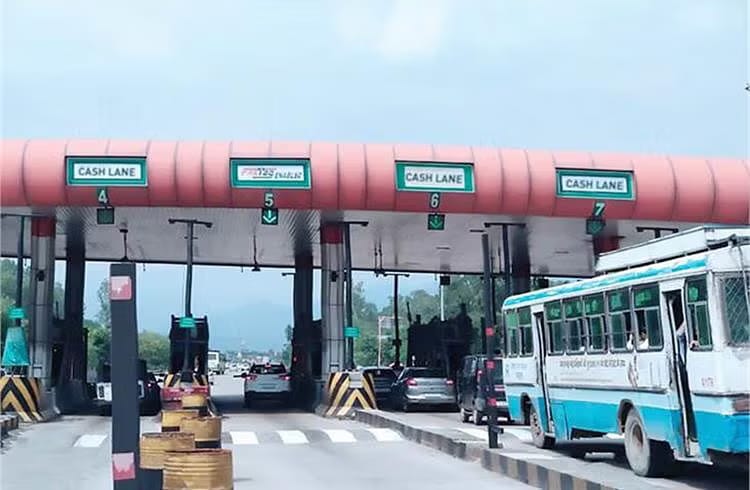
The National Highways Authority of India (NHAI) on April 15 directed all FASTag Issuer Banks to immediately validate Vehicle Registration Numbers (VRNs) linked to FASTags they have issued, after complaints surfaced that registration numbers captured by FASTag readers do not match those displayed on physical number plates.
The discrepancies, NHAI said, risk undermining enforcement mechanisms, enabling evasion of government revenue, and attracting penal action under the Motor Vehicles Act, 1988.
JLR Q4 Sales Recover Sequentially After Cyber Disruption; FY26 Volumes Decline
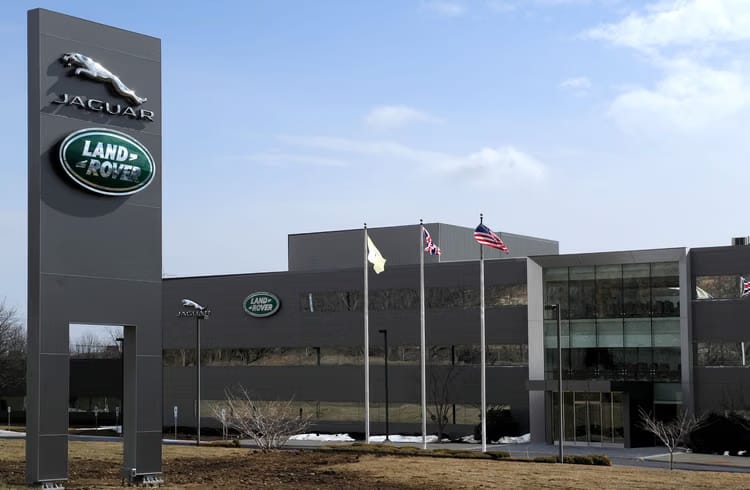
Jaguar Land Rover (JLR) reported a quarter-on-quarter recovery in sales for the fourth quarter of FY26, following production disruptions caused by a cyber incident earlier in the year, although full-year volumes remained lower due to multiple headwinds.
Wholesale volumes for the January-March quarter stood at 95,300 units (excluding the Chery Jaguar Land Rover China joint venture), declining 14.5% year-on-year but rising 61.1% compared with the preceding quarter. The sequential increase reflects a return to normal production levels after the cyber-related stoppages.
VinFast Bets on Zero-cost Ownership Pitch as VF MPV7 Debuts at ₹24.49 Lakh
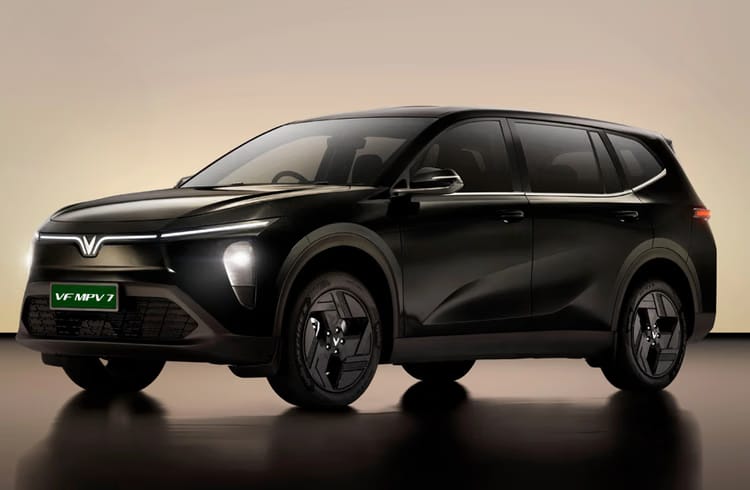
VinFast has launched the VF MPV7 at a starting price of ₹24.49 lakh, positioning the product as a family-focused electric vehicle backed by an aggressive ownership package designed to eliminate key barriers to EV adoption.
Unveiling the model, Tapan Kumar Ghosh, Chief Executive Officer of VinFast India, emphasised that the company’s approach goes beyond the vehicle itself to address the broader ownership experience. “When thoughtful design, intelligent features and electric performance come together, they create something truly effective. Today, we are making that experience more accessible than ever,” Ghosh said.
Vinfast to Price Fleet-Focused Limo Green Below MPV7; Flags Future Fleet Play
BYD India to Raise EV Prices by Up to Rs 100,000 From May
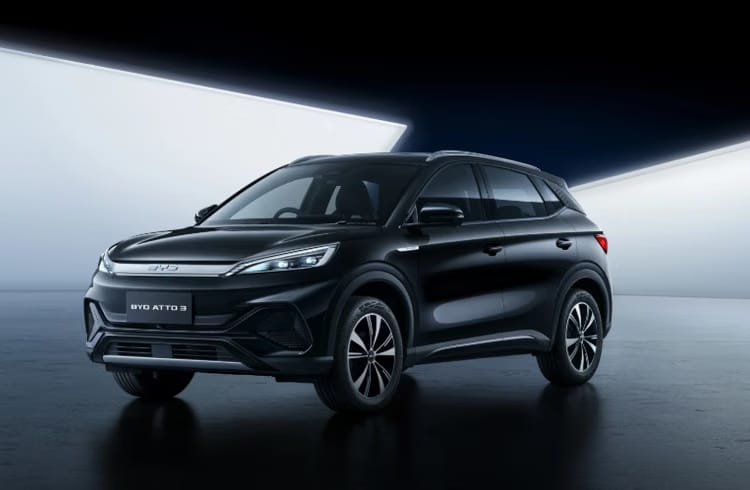
BYD India will increase prices across its electric vehicle range by 50,000 to 100,000 rupees from May 1. The revision will apply to the brand's full India portfolio, covering the Atto 3 SUV, eMAX 7 MPV, Seal sedan and Sealion 7 SUV. Current ex-showroom prices run from 24.99 lakh rupees for the entry-level Atto 3 to 54.90 lakh rupees for the top-spec Sealion 7.
People familiar with the development, said the increase was aimed at offsetting higher raw material costs and freight expenses that have been accumulating on the cost of imported models and components constituting BYD's India supply chain.
Ducati India Announce Price Hike Across Models From June 2026
Volvo Car India to Raise Prices by Up to ₹1 Lakh from May 1
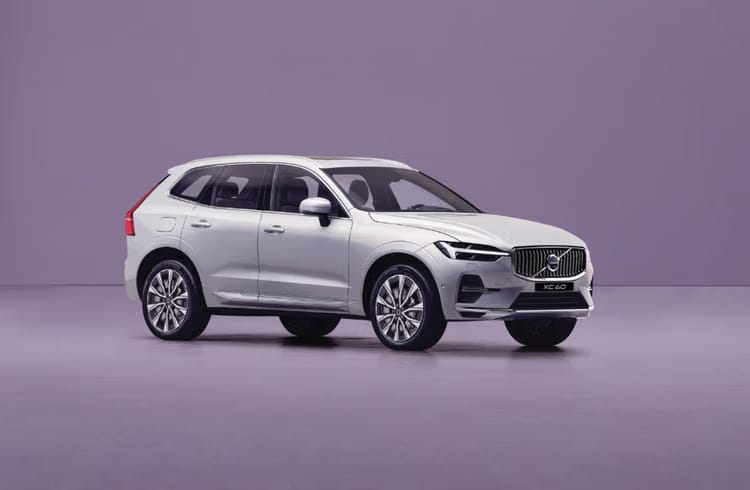
Volvo Car India has announced a price increase of up to ₹1,00,000 (one lakh rupees) across its vehicle lineup, effective May 1, 2026.
The company attributed the decision to ongoing global supply-chain challenges and fluctuations in foreign exchange rates, describing the adjustment as necessary to sustain its safety and luxury standards. In its press note, Volvo Car India indicated that additional price revisions could follow if the current geopolitical and economic environment persists.
Wage Gap Across NCR Industrial Belt Triggers Unrest in Noida Factories
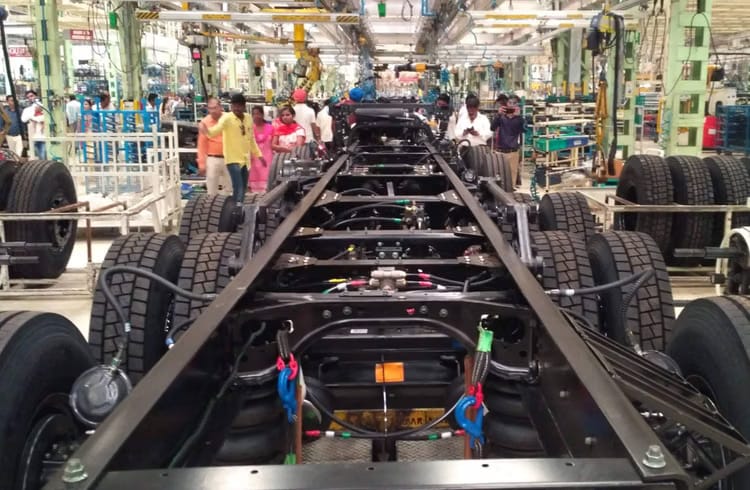
A widening wage gap across the NCR’s tightly integrated manufacturing belt appears to have triggered the labour unrest that turned violent in parts of Noida on Monday, according to industry executives and plant-level sources.
“The entire belt—Faridabad, Palwal, Manesar, Gurugram, Ghaziabad and Noida—effectively operates as one industrial ecosystem,” a plant head at an electronics and automotive electronics supplier told Autocar Professional, requesting anonymity. “The moment wages move in one part of this belt, it has a direct ripple effect on the others.”
Mercedes-Benz Faces Investor Heat Over China Recovery Strategy: Reports
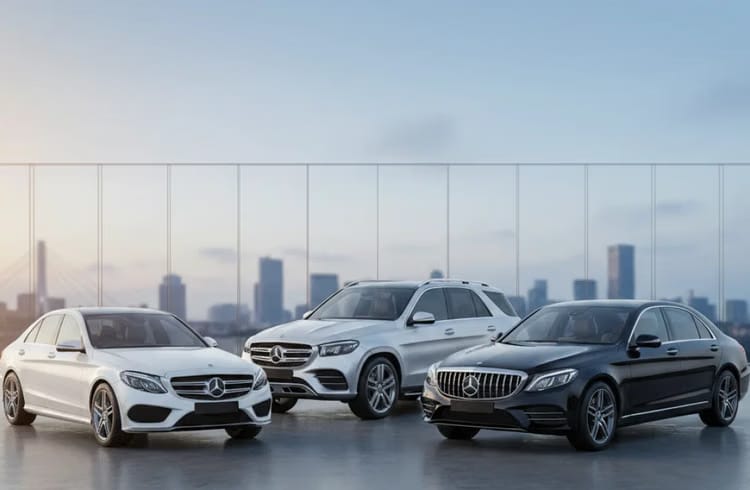
Investors pressed Mercedes-Benz on its China recovery plans at the automaker's annual shareholders' meeting on Thursday, warning that an overly luxury-focused strategy could undermine the German brand's efforts to win back consumers in the world's largest car market, according to a Reuters report.
Like rivals BMW and Audi, Mercedes has lost significant ground in China, struggling to keep pace with fast-moving domestic brands such as BYD, NIO, and Li Auto, all of which offer technology-rich premium vehicles at prices that undercut European incumbents. Reuters reports that Mercedes' China sales fell 19% last year to 552,000 vehicles, with the decline accelerating sharply to 27% in the first quarter of 2026.
Entry, Exit & Elevation
JK Tyre & Industries Appoints Mandar V Deo as President for India Operations
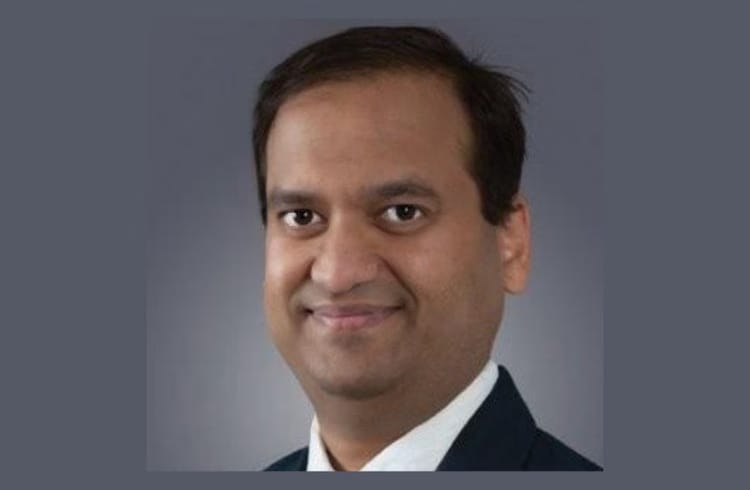
JK Tyre & Industries Limited has named Mandar V Deo as its new President for India, effective immediately. Deo, 50, will report to Chairman & Managing Director Dr. Raghupati Singhania and Managing Director Anshuman Singhania, and will be based in New Delhi.
Deo holds a Bachelor's degree in Mechanical Engineering from Pune University, a Master's degree and a PhD from Pennsylvania State University, and an MBA from the Kelley School of Business at Indiana University. He brings more than two decades of experience in senior leadership roles at organisations including Exide Energy Solutions Limited, Cummins India, and Cummins Inc.
Marelli Names Henderson Interim CEO, Appoints New CFO and CHRO Amid Chapter 11 Restructuring
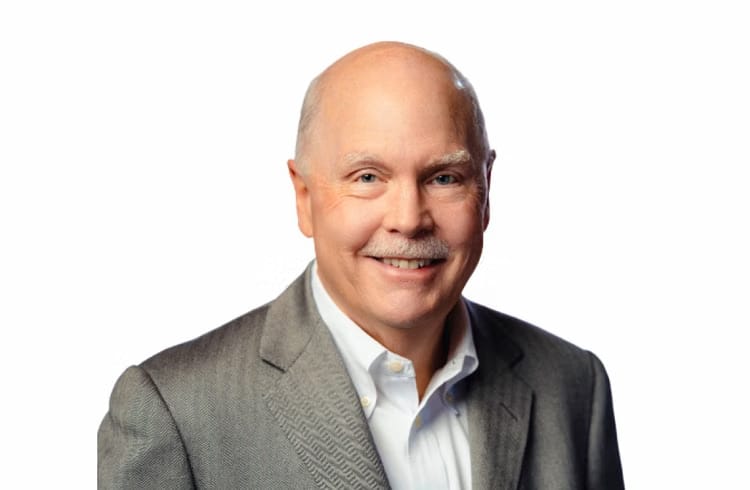
Marelli, a global Tier 1 automotive supplier headquartered in Saitama, Japan, appointed Frederick "Fritz" Henderson as Interim Chief Executive Officer on April 13, replacing David Slump, who will remain on the company's Board of Directors until Marelli completes its Chapter 11 restructuring. The Ad Hoc Group of lenders simultaneously named Laurent Favre as Henderson's designated successor once the interim period concludes.
Henderson previously served as CEO of General Motors, CEO and Chairman of Suncoke Energy, and non-executive Chairman of Adient.
Zelio E-Mobility Appoints Divyanshu Agarwal as CEO
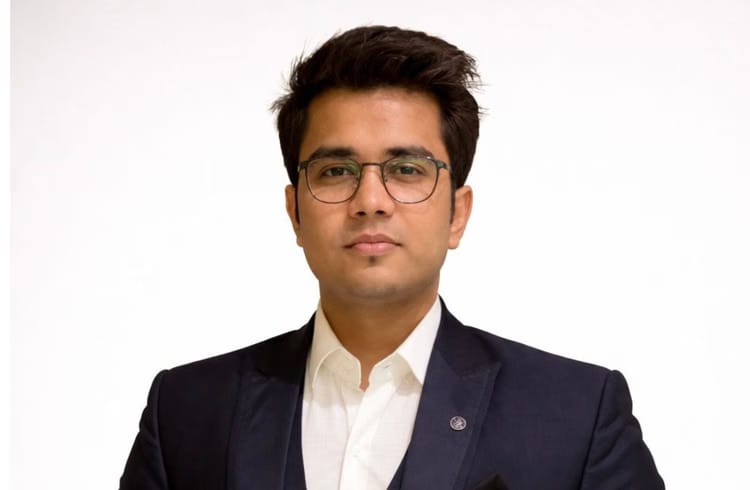
Zelio E-Mobility, a Haryana-based electric two- and three-wheeler manufacturer, on April 15, 2026, appointed Divyanshu Agarwal, 26, as its Chief Executive Officer, following a resolution by circulation passed by its Board of Directors on the recommendation of the Nomination and Remuneration Committee.
Agarwal, a Chartered Accountant, joins Zelio after stepping down from Navi Limited, the fintech firm founded by Sachin Bansal, where he had been associated since November 2021.
Mobec Innovations Appoints Gautam Singh And Satyabrat Shukla As Co-Founders

Mobec Innovations, an Indian provider of mobile electric vehicle charging and battery recycling solutions, has elevated Gautam Singh and Satyabrat Shukla to the position of co-founders. The newly appointed executives will join Founder and CEO Harry Bajaj in leading the Noida-based company.
In their expanded roles, Singh and Shukla will focus on developing AI-enabled products and scaling the company's battery recycling and mobile charging divisions. Singh will head research and development and manage daily operations at Mobec's facilities, with a specific focus on advancing battery recycling technologies and process efficiencies. Shukla will direct the company's sales, marketing, and customer relations teams.
Sales Analysis
Auto Industry Hits 7-year Peak in FY26 As All Segments Log Record Sales
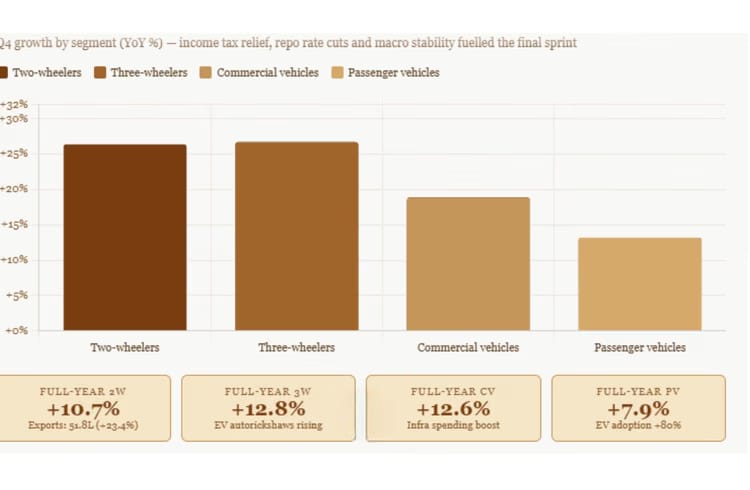
India’s automobile industry returned to peak levels in FY2025-26, with all major vehicle segments posting their highest annual sales in seven years, marking a decisive recovery after a muted start to the year.
According to SIAM data, total domestic vehicle sales rose 10.4% year-on-year to 2.83 crore units, with passenger vehicles, two-wheelers, three-wheelers and commercial vehicles all recording their best annual performance in recent years.
The turnaround was led by a strong second half, where demand accelerated on the back of policy support, improved affordability and lower financing costs, pushing the industry to a broad-based peak.
India Two-Wheeler Sales Hit Record 21.4 Million Units in FY26, Crosses Pre-COVID Peak
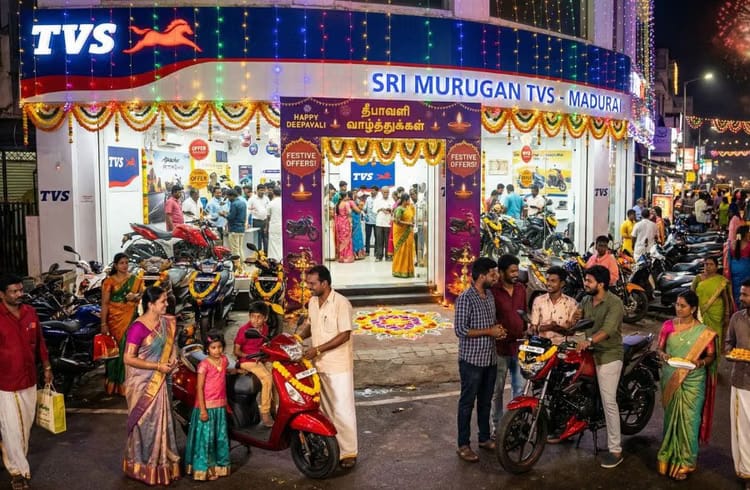
The financial year 2026 marked a turning point for India’s two-wheeler industry, which finally surpassed the pre-COVID peak after several years of gradual recovery. Two-wheeler retail sales came in at 21.42 million units during the year, growing 13.4% on a yearon- year basis, reflecting a steady return of demand across markets. The long-awaited recovery was unlocked by improved affordability, better rural cash flows and a wider range of products that catered to both entry-level buyers and more aspirational customers.
The first half of the year, from April to August, remained subdued, with most months recording low single-digit growth as consumers stayed cautious amid uncertainty around the proposed GST changes. Many buyers deferred purchases after indications that tax rates on vehicles could be reduced.
Scooter sales hit record levels of 8.11 million units in FY26, EV share grows to 13%
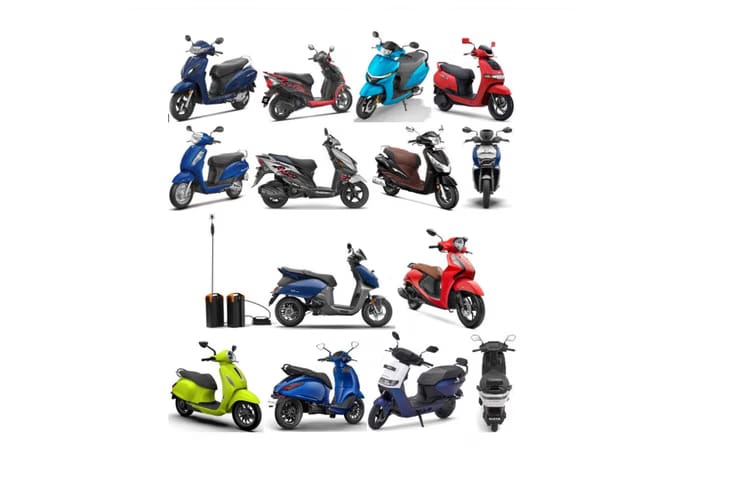
If the overall Indian two-wheeler industry, which comprises motorcycles, scooters and mopeds, achieved record wholesales of 21.70 million units with strong 11% YoY growth in FY26, then it’s thanks to the robust growth displayed by the scooter segment. In FY26, nine scooter manufacturers sold a record 8.1 million units (81,17,945 units, up 18.5% YoY) to beat the previous best of 6.85 million units in FY25 and set a new benchmark.
FY26 scooter wholesales exceeded FY2025 sales by 1.26 million units, averaging monthly sales of 676,495 units or 1,853 scooters every day last fiscal! What helped accelerate scooter sales was the leading OEMs rolling out refreshed as well as new models, revival of demand from rural India and semi-urban regions of the country, and sale of 1.08 million electric scooters.
Record scooter and bike sales power TVS to best-ever 4.24 million units in FY2026
Suzuki Hayabusa sales in India hit highest level in FY2026: 543 units
SUV, MPV Sales Cross 3 Million for the First Time in FY2026, UV Share of PVs Jumps to 67%
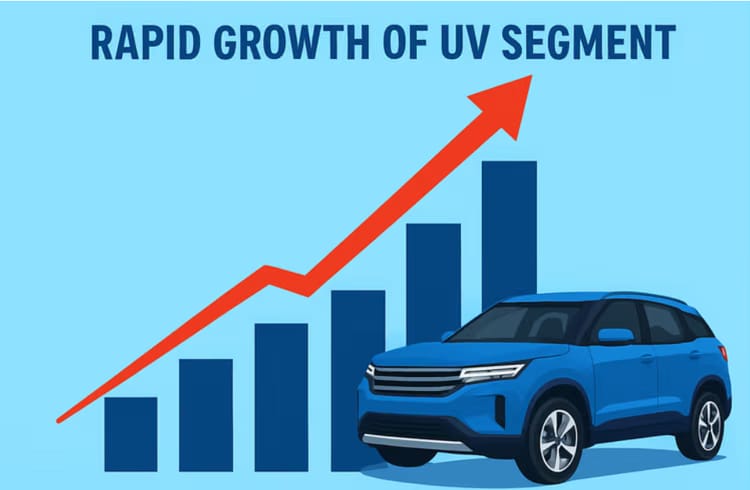
If India’s passenger vehicle industry achieved its best-ever fiscal year wholesales of 4.64 million units in FY2026, then the credit once again goes to the utility vehicle (UV) segment. The UV sub-segment, which comprises SUVs and MPVs, continues to be the shining star of the Indian PV industry, even as demand returned to the hatchback and sedan segment (1.37 million units, up 2% YoY) compared to FY2025 when passenger car sales were down 12 percent.
The UV segment, which comprises 16 SIAM member companies, was on a roll in FY2026, thanks to the firepower provided by GST 2.0 from October 2025 onwards. While H1 FY2026 saw sales of 1.35 million UVs, up 1% YoY, H2 FY2026 clocked UV dispatches of 1.75 million units, up 20% YoY.
Sedans Lead India’s Car Market at Both Ends, Despite the SUV Surge
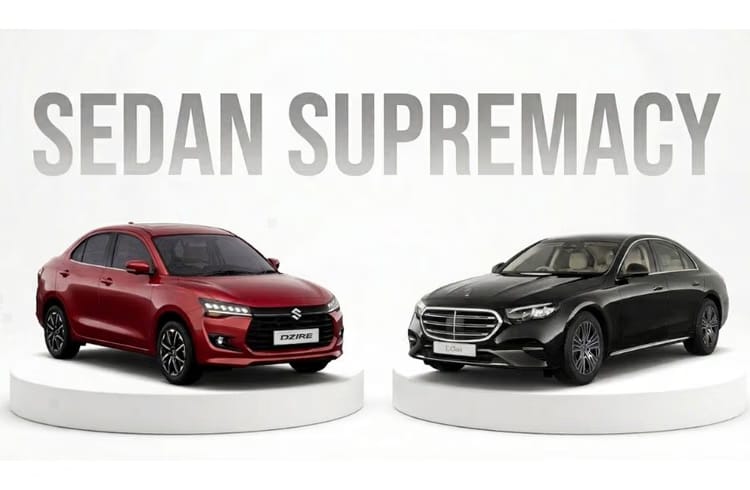
In a market increasingly defined by SUVs, FY26 delivered a quieter result alongside the obvious one. The Maruti Suzuki Dzire emerged as India's bestselling car, and the Mercedes-Benz E-Class led the luxury segment, a reminder that the sedan still draws a meaningful share of Indian buyers at both price extremes.
Maruti Suzuki's Dzire moved 2,28,682 units, a 38.6 percent gain on FY25 and the highest volume of any model in the country, according to Jato Dynamics. The Mercedes-Benz E-Class sold 4,350 cars, a 22.3 percent rise that kept it at the head of the luxury table. The two sit at opposite ends of the price ladder, and roughly fifty Dzires sell for every E-Class. Yet each carries similar weight on its parent's books. The Dzire accounts for about 12.5 percent of every Maruti Suzuki sold in India in FY26, and the E-Class for nearly 22 percent of every Mercedes-Benz.
Harvesting Growth: GST Cut, Bumper Monsoon Fuel Record Tractor Sales in FY26

Few years in recent memory have brought together as many tailwinds for Indian tractor makers as fiscal 2026. An above-normal monsoon refilled rural cash flows. State governments in poll-bound Maharashtra and Bihar opened the subsidy taps.
An unexpected cut in the Goods and Services Tax on tractors from 12 to 5 percent in late September lowered sticker prices overnight. And as the deadline for stricter TREM 5 emission norms drew closer, dealers and farmers pulled forward purchases they might otherwise have made later. By the close of March, the industry had sold more tractors than ever before.
Insights & Interpretation
India’s Ethanol Boom Is Outpacing Its Cars, Why Flex Fuel Vehicles Are Now an Economic Imperative
India has successfully engineered a significant transformation in its energy sector. The nation has effectively converted its agricultural foundation into a robust biofuel powerhouse. Driven by ambitious decarbonisation goals and a strategic pursuit of energy independence, installed ethanol production capacity has recently surged to an unprecedented 18 billion litres.
The economic dividends of this transition are already irrefutable. As of February 2026, more than 353 crore litres of ethanol have been mixed into the current supply year alone, making an average of 20 per cent ethanol in petrol. This acceleration has protected the national treasury, saving more than ₹1,70,560 crore in foreign exchange and replacing more than 289 lakh metric tonnes of crude oil.
Why Tomorrow’s Cities Need Cognitive Mobility, Not Just Better Roads
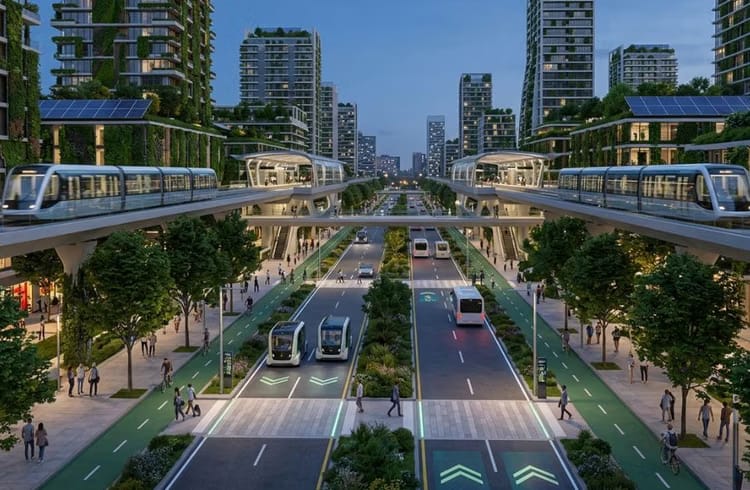
Urban mobility is poised at a pivotal juncture, one that goes beyond merely adopting electric cars, robot taxis, and megablock transit routes. The true revolution will come in how a city thinks about, understands, and reinvents the flows of its citizens. The mobility network of tomorrow will not operate like clockwork but rather like a living brain that senses, predicts, negotiates, and adapts.
For over a decade now, “smart mobility” has been synonymous with dashboards, sensors, and optimization algorithms. But mere optimization is no longer sufficient. Megacities function like turbulent ecosystems. Their dynamics evolve constantly, subject to the whims of human psychology, digital conversations, environmental pressures, and economic patterns. Any city that only analyzes past traffic trends will inevitably fall behind its citizenry.
Safer Roads Need Systems That Act Before the Impact

Road safety is still too often treated as a problem to be reviewed after the damage is done. But on high-speed freight corridors, risk does not wait for hindsight. It builds in seconds, through fatigue, distraction, shrinking following distance, and delayed reaction. By the time a crash is recorded, the real opportunity has already passed.
A government-commissioned estimate pegged the socio-economic cost of a road fatality at around ₹91 lakh. For fleets, the impact of a major crash rises even further once downtime, claims, legal effort and missed deliveries are added. In practical terms, a single serious incident can wipe out months of operational gains. That is why road safety needs a new operating logic. It cannot remain a reporting exercise. It has to become a prevention system.
Myth vs. Reality: What Indian Consumers Still Get Wrong About Refurbished Two-Wheelers
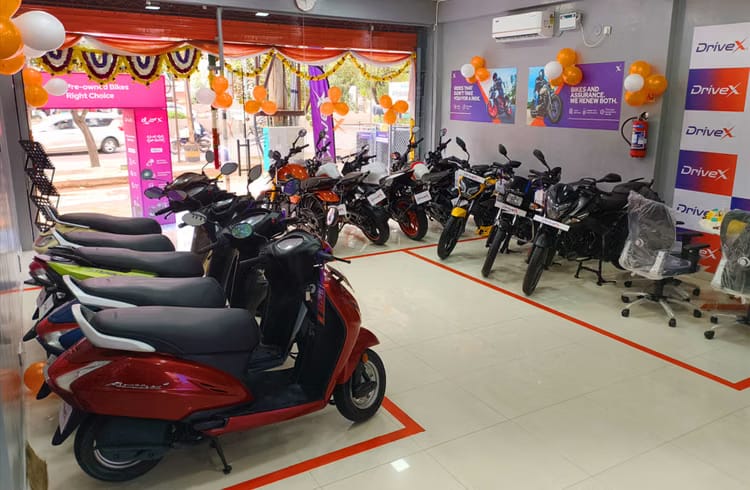
India has always had a lively market for used two-wheelers. For years, buying one was a fairly informal exercise. Buying a used bike in India followed a familiar routine. A prospective buyer would drop by a neighbourhood dealer, check in with a trusted mechanic, or simply rely on word of mouth: friends, family, someone who knew someone selling a bike. The decision, more often than not, came down to personal judgement and how credible the seller seemed.
What many people don’t fully realize is the sheer scale this market has reached. Industry estimates suggest India’s pre-owned two-wheeler segment could approach 55.8 million units by 2027, placing it among the country’s largest mobility categories. And yet, perceptions haven’t quite caught up with that reality. For a lot of consumers, refurbished bikes are still viewed through the lens of the old second-hand market.

RELATED ARTICLES

BMW Expands MINI Retail Network in Navi Mumbai with Integrated Showroom
 Dev Vadchhedia
 29 Sep 2026
Dealer partner Infinity Cars to integrate BMW, MINI, and pre-owned BMW Premium Selection into a single Retail.NEXT showr...


FlixBus and Tourism Ministry Partner to Deploy Co-Branded Coaches and Promote Regional Travel
Dev Vadchhedia
29 Sep 2026
FlixBus signs pact to integrate Incredible India branding, launch destination portal, and initiate responsible travel ca...

Tata Motors Subsidiary Acquires 26% Stake in Hyderabad e-mobility Firm
 Shruti Shiraguppi
29 Sep 2026
Shruti Shiraguppi
29 Sep 2026
TML Smart City Mobility Solutions invested ₹2.6 lakh in Mateshwari E-Smart Mobility (Hyderabad), which became an associa...