Follow us
Weekly News Wrap: Hyundai Eyes Third Plant, CAFE III Notified, EV Sales Hit Record
Record EV sales, new fuel-efficiency rules and fresh manufacturing plans marked a week of rapid change across India’s auto sector.
 By Darshan Nakhwa
 1 Views


India’s automotive industry saw another busy week between September 28 and October 4, with capacity expansion, stronger vehicle demand, new regulatory rules and accelerating electrification dominating the headlines.
Hyundai Motor India began exploring a third manufacturing location as it prepares for its next phase of growth, while the government notified the final CAFE III fuel-efficiency norms that will apply from April 2027. September also brought record electric passenger vehicle registrations and strong sales for several major automakers.
In commercial vehicles, SWITCH Mobility secured a sizeable electric bus order under PM E-Drive, and BEML unveiled an indigenous 60-tonne electric dump truck. Meanwhile, Reliance Industries outlined a ₹1 lakh crore compressed biogas investment in Andhra Pradesh, and BYD’s luxury brand Denza confirmed plans to enter India.
Here is a round-up of the major developments from the week.
Passenger Vehicles
Hyundai Explores Third India Manufacturing Location
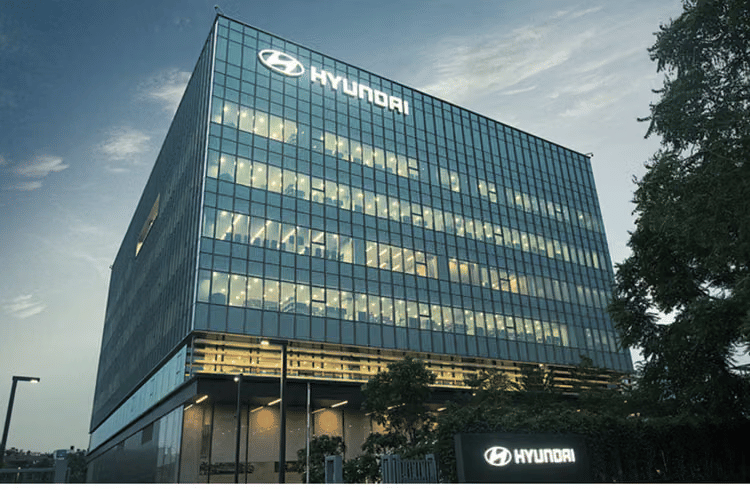 Hyundai Motor India has begun exploring a third manufacturing location in India as it prepares for additional products, domestic growth and higher exports.
The proposed facility could add around 500,000 units of annual capacity in phases, with Chhatrapati Sambhajinagar in Maharashtra and Sanand in Gujarat among the locations under consideration. About 30% of Hyundai’s India production is expected to be allocated to overseas markets over the longer term.
The move comes as India becomes an increasingly important market within Hyundai Motor Group’s global operations and the company prepares for a broader product offensive.
Renault Bets on Hybrids, Plans Wider Retail Network
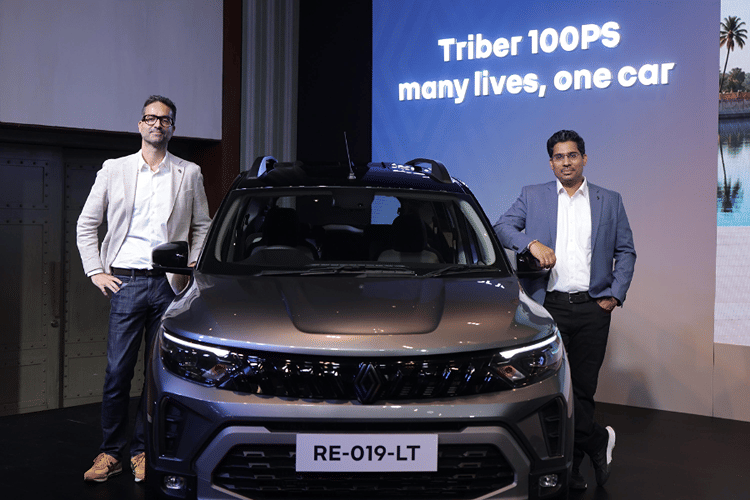 Renault is preparing to expand its footprint as it rebuilds its India business. The carmaker plans to increase its retail network to nearly 500 showrooms by the end of 2027, from more than 350 currently, as its product portfolio expands towards seven models by the end of the decade.
The company also expects strong hybrids to emerge as a major volume-generating powertrain over the medium term. Renault will enter the segment with the Duster hybrid as it looks to fill the space between declining diesel demand and the longer-term shift towards battery electric vehicles.
Skoda Sees Fresh Opening for Sedans
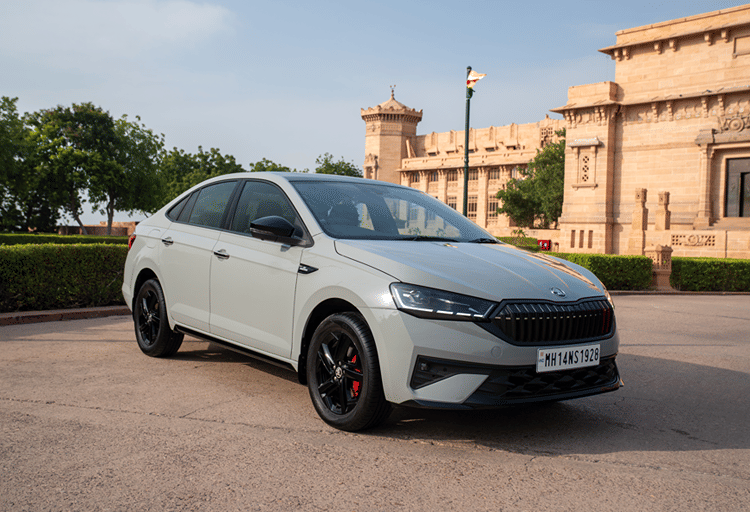 Skoda believes changing ownership patterns could eventually create a fresh opportunity for sedans. Brand Director Ashish Gupta said growing multi-car ownership could encourage households already owning an SUV to consider a different body style.
The Slavia currently contributes around 18–20% of Skoda’s monthly India sales, while the company sees the midsize sedan market at roughly 4,000-4,500 units a month. Skoda is targeting around 1,400-1,500 monthly units with the refreshed Slavia.
Earlier in the week, Škoda Auto Volkswagen India also started production of the updated Slavia at Chakan ahead of the festive season.
Denza Confirms India Entry
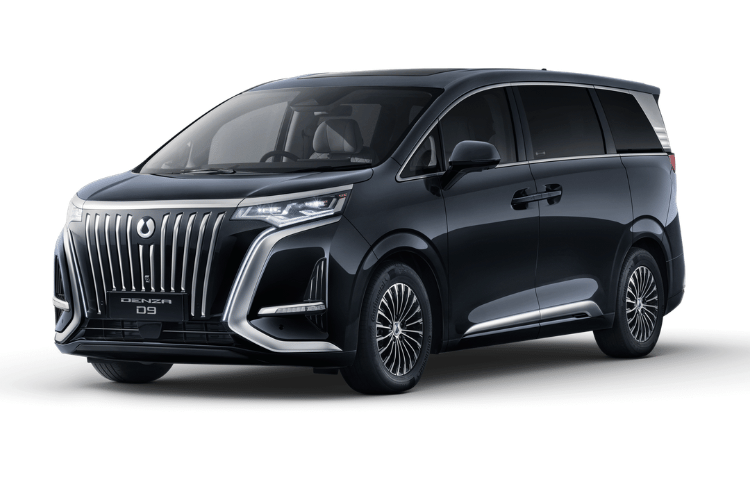 Competition at the premium end of India’s EV market is set to increase, with BYD’s luxury brand Denza officially confirming plans to enter India. The brand is expected to sit above BYD, potentially targeting the ₹80 lakh-plus segment. The Z9 GT shooting brake and D9 luxury MPV are expected to form part of its initial line-up.
September Sales Stay Strong
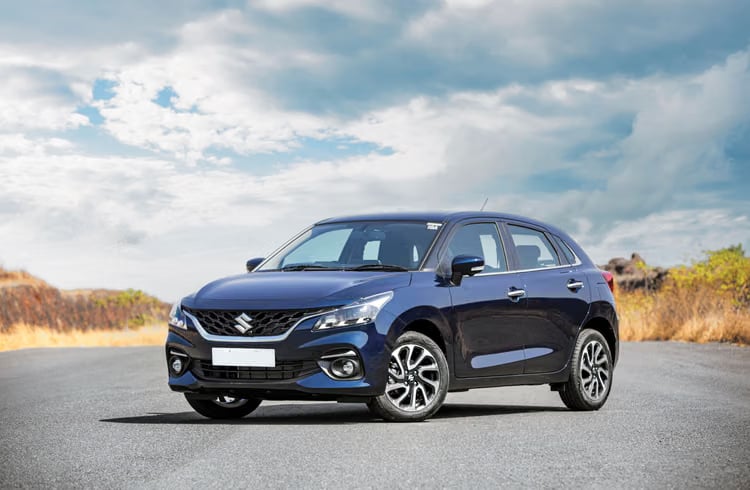 September wholesale numbers showed strong growth across several major manufacturers.
Maruti Suzuki’s total wholesales increased 24.4% to 2.36 lakh units in September, with domestic passenger vehicle dispatches rising 36.9%. Utility vehicle volumes jumped 62%, while its other passenger car categories also posted growth.
Tata Motors Passenger Vehicles reported its highest-ever quarterly sales of 201,723 units in Q2 FY27, up 40% year-on-year. EV sales nearly doubled to 47,150 units and electric and CNG models together accounted for 51% of Tata’s volumes during the quarter.
Kia India recorded its highest-ever monthly domestic wholesale volume at 32,017 units, up 41% year-on-year.
Mahindra’s domestic utility vehicle sales rose 14% to 64,092 units in September. The company also said billings of its Electric Origin SUVs have crossed the one lakh mark since launch.
Jaguar Land Rover reported Q2 FY27 wholesales of 82,400 vehicles, up about 24% year-on-year. Growth came from the UK, North America and other overseas markets, while China remained weak. Range Rover, Range Rover Sport and Defender accounted for 77.6% of wholesale volumes during the quarter.
Electric Mobility and Two-Wheelers
India’s electric passenger vehicle market set another monthly record in September.
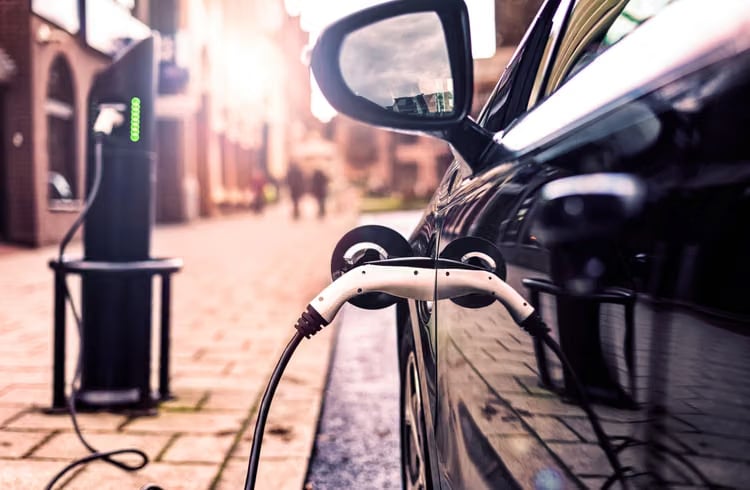 Electric car registrations rose 94% year-on-year to 35,948 units in September, taking EV penetration to 8.3% of passenger vehicle registrations. First-half FY27 volumes reached nearly 1.92 lakh units, up 89%.
A broader analysis showed Tata Motors, VinFast, Kia, Toyota and Tesla among the manufacturers that recorded their best-ever monthly EV sales in September. Tata remained the market leader with 14,769 units and a 41% share.
Tesla crossed an early milestone in India, with cumulative sales passing 1,000 units. The company sold 291 Model Ys in September, its highest monthly volume yet. That was enough for Tesla to overtake Mercedes-Benz and move into second place in the luxury electric passenger vehicle market behind BMW during the month.
Electric Two-Wheeler Registrations Cross One Million
Electrification is also accelerating in the two-wheeler market.
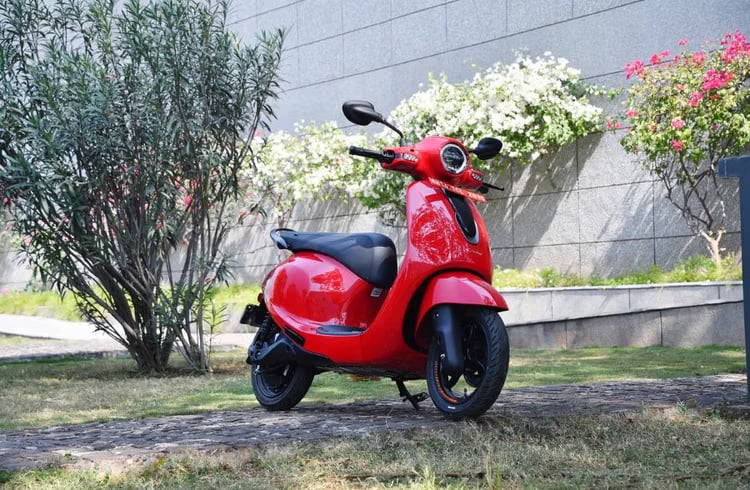 India’s electric two-wheeler registrations crossed 1.1 million units in the first half of FY27 after September registrations surged 85% year-on-year to 2.03 lakh units. EVs accounted for 11.4% of two-wheeler registrations during the month.
TVS, Bajaj and Hero together accounted for 62% of September registrations, while Ola Electric continued to lose market share.
Ather Energy separately crossed 800,000 cumulative retail sales since it began deliveries. Nearly 59% of those volumes have come since January 2025, reflecting the company’s recent acceleration led by models such as the Rizta and the newly launched Konarc.
Royal Enfield Posts Record September
 Royal Enfield recorded its highest-ever September sales at 1.34 lakh motorcycles, an increase of 8% year-on-year.
Domestic sales rose 7% to 1.21 lakh units, while exports increased 17% to 12,632 motorcycles. The company also said its newly launched Himalayan 440 was fully booked for six months.
Commercial Vehicles and Mobility
SWITCH Mobility Bags 840 Electric Bus Order
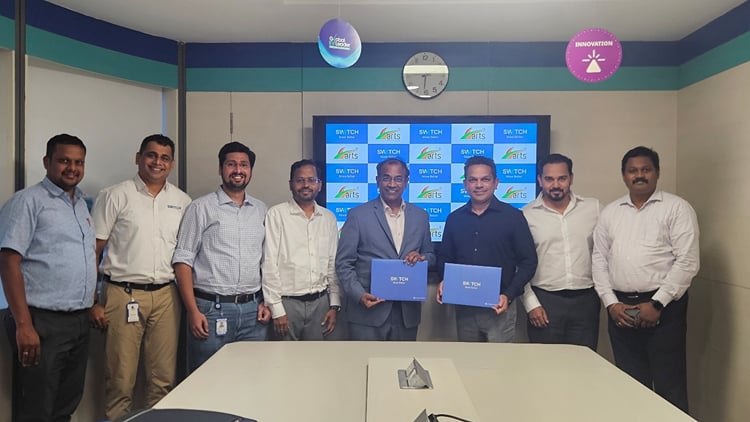 SWITCH Mobility secured an order for 840 electric buses under the PM E-Drive scheme. The order includes 420 nine-metre buses and an equal number of 12-metre models. The vehicles will be deployed in Delhi through Antony Road Transport Solutions for the Delhi Transport Corporation and Delhi Transport Department.
The buses are based on SWITCH’s EiV electric platform and include fast-charging, regenerative braking and connected fleet-management systems.
BEML Unveils 60-Tonne Electric Dump Truck
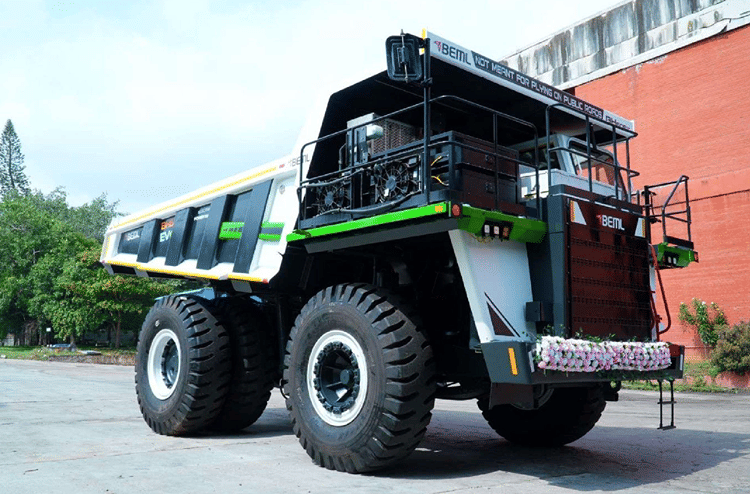 BEML unveiled the BH60-EV, an indigenous 60-tonne electric dump truck aimed at mining and infrastructure applications.
The truck uses a 1,000kWh lithium-ion battery and BEML says it could reduce operating costs by 40-60% compared with comparable diesel equipment, depending on operating conditions.
The model follows the company’s 35-tonne electric dump truck launched earlier this year, widening its electric heavy-equipment portfolio.
Tata Motors CV Sales Jump 43% in Q2
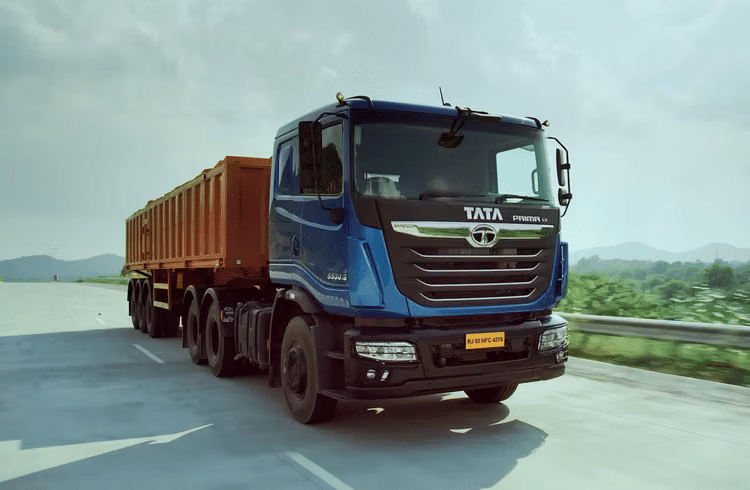 Tata Motors reported commercial vehicle sales of 1.35 lakh units in Q2 FY27, up 42.7% year-on-year. Domestic volumes increased 30.9%, while international business sales jumped 177.3%. September volumes alone increased more than 42% to 51,062 units.
Premium Intercity Buses Target Car Owners
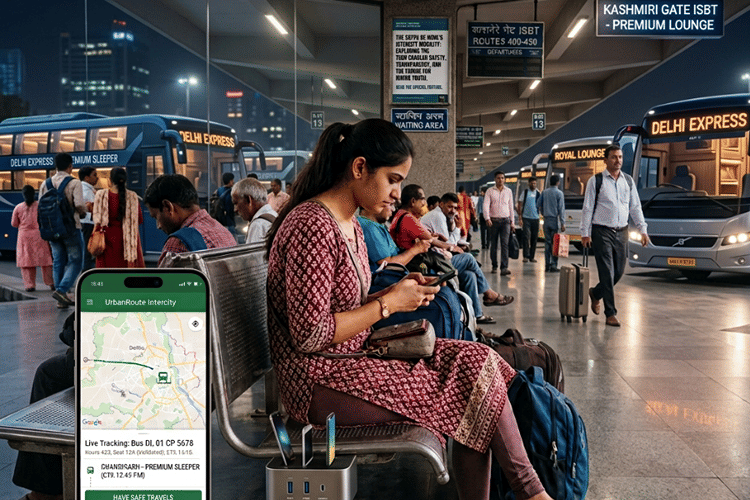 The week also highlighted the opportunity emerging in organised intercity transport. A survey found that about 30% of car owners would prefer not to drive themselves on a 400-600 km journey, while nearly 70% of all respondents chose a premium bus when travel costs were held equal.
Operators including FlixBus and IntrCity are trying to build more predictable, organised networks around safety, reliability and passenger experience in what remains a fragmented market.
Policy, Fuels and Infrastructure
CAFE III Norms Give EVs Highest Credit
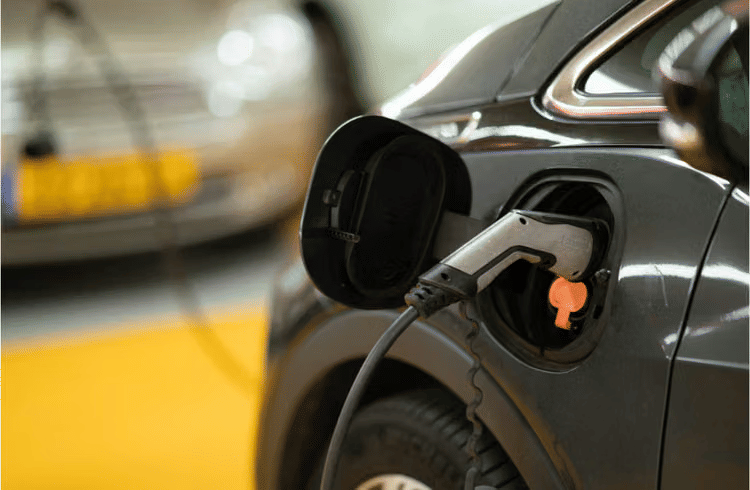 One of the biggest policy developments of the week came with the notification of India’s final CAFE III fuel-efficiency rules. The norms will apply between April 2027 and March 2032 and progressively tighten fleet-level fuel-efficiency requirements. Battery and range-extended EVs receive the highest super-credit multiplier of 3.0, while plug-in hybrids, strong hybrids, flex-fuel vehicles and alternative fuels receive varying benefits. Carmakers will also be allowed to trade compliance credits.
The final framework also changes the compliance equation for light-weight cars through a flatter weight-based target curve. While the earlier proposed 3g/km concession for certain sub-909kg petrol cars has been dropped, a flatter weight-based curve gives lighter vehicles relatively softer targets than under the earlier proposal.
India Prepares for Higher Ethanol Blends
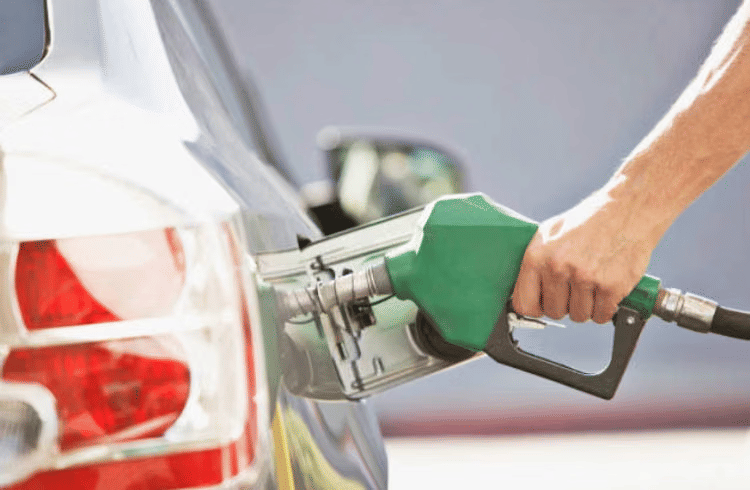 India’s ethanol programme could move further beyond E20, with a Toyota Innova capable of running on 100% ethanol is expected to be launched in October, according to Road Transport and Highways Minister Nitin Gadkari.
An AIDA-IIT Delhi white paper has also proposed a roadmap covering E85 and E100 vehicles, fuel pricing, infrastructure and feedstock development as India considers wider use of flex-fuel technology.
GARC Expands EV and ADAS Testing Capability
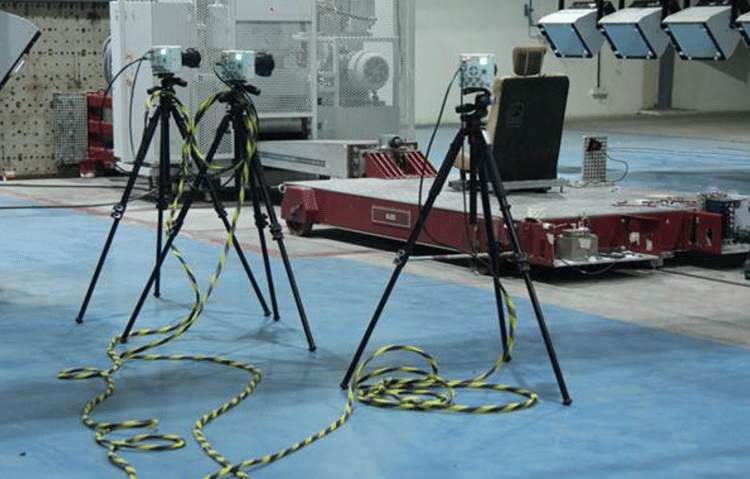 The Global Automotive Research Centre in Chennai is upgrading its testing infrastructure under PM E-Drive. The programme will add testing capabilities for EVs, batteries, ADAS, crash safety and heavy commercial vehicles, supporting the growing need for validation infrastructure as vehicle technologies become more complex.
Reliance Plans ₹1 Lakh Crore CBG Investment
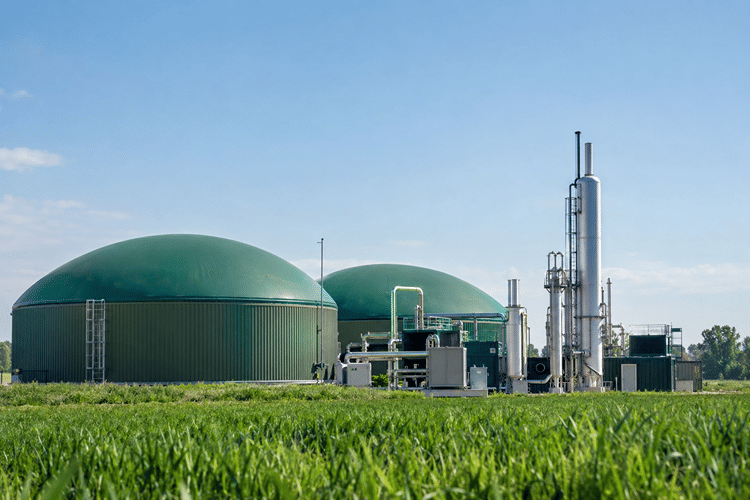 Reliance Industries outlined plans to invest ₹1 lakh crore in compressed biogas projects in Andhra Pradesh. The proposed programme could create more than three lakh jobs and generate around ₹60,000 crore in revenue for the state over the coming decades, according to RIL Executive Director Anant Ambani.
The announcement comes as the Centre seeks to expand domestic CBG production and build a longer-term policy framework for bioenergy investment.
Components, Tyres and Supply Chain
CEAT Expands Chennai Manufacturing Capability
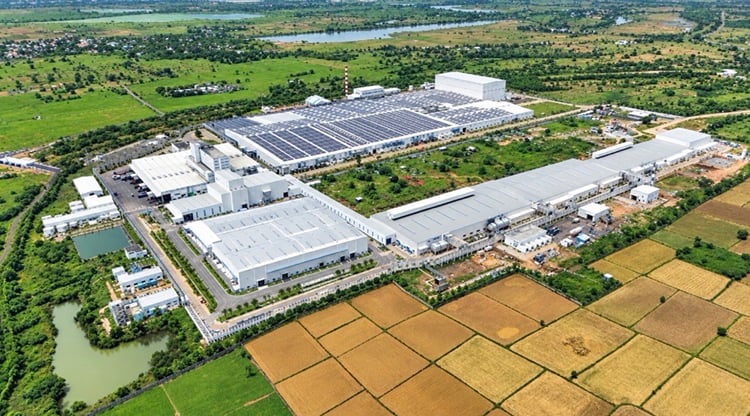 CEAT has expanded manufacturing capabilities at its Chennai plant across passenger car, SUV, truck and bus radial and premium two-wheeler tyres.
The facility can now produce products including 22-inch SUV tyres, additional TBR sizes and premium motorcycle tyres for domestic and overseas markets.
Carraro India Targets ₹4,000 Crore Revenue
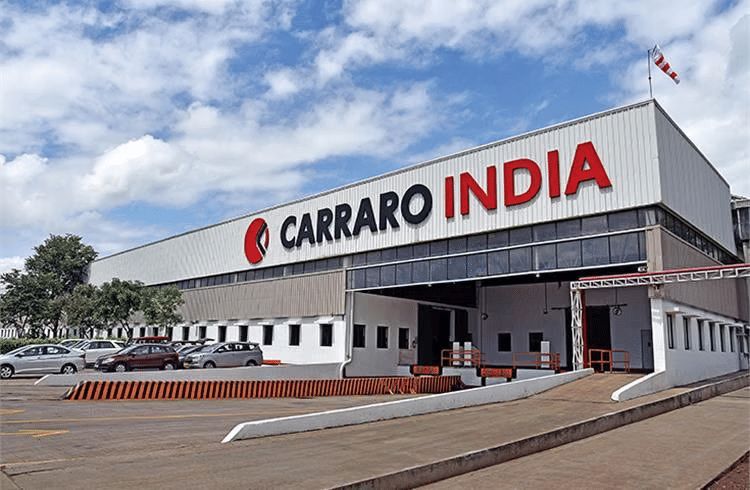 Carraro India is targeting revenue of more than ₹4,000 crore by FY30 as it invests in manufacturing capacity, engineering services and new products.
The agricultural and construction equipment supplier plans more than ₹300 crore of capital expenditure over three years. Its Pune manufacturing facilities are currently operating at around 88-92% utilisation.
India Faces Fresh Scrap Supply Risk
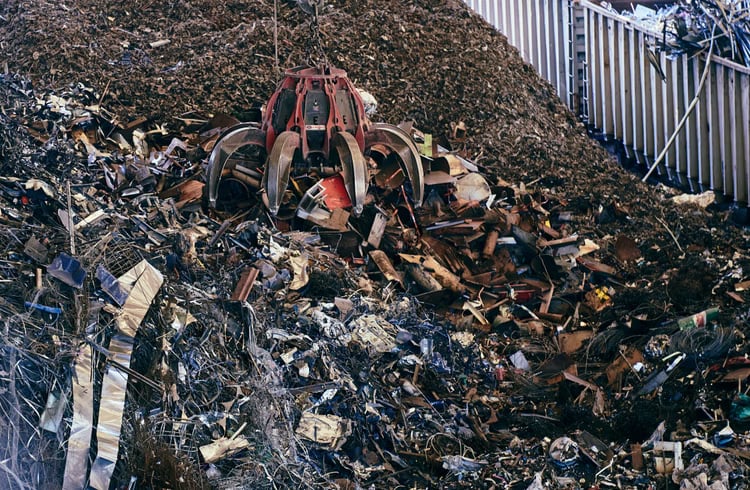 India’s automotive component and recycling sectors face a potential raw-material challenge from proposed European waste rules. The Material Recycling Association of India has warned that proposed EU restrictions could disrupt exports of ferrous and non-ferrous scrap to India from May 2027.
Industry bodies argue that India’s dependence on imported secondary metals means restrictions could increase input costs for casting, steel, battery and automotive component companies while forcing greater use of more carbon-intensive primary materials.
Component Makers Expand Through Acquisitions
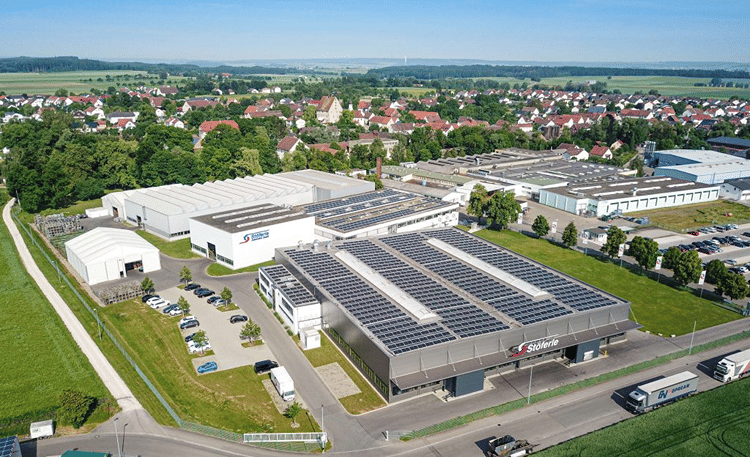 Endurance Technologies’ overseas subsidiary completed the acquisition of the remaining 32% in Germany’s Stöferle entities for €18 million, taking its ownership to 100%.
Carlyle-backed Highway Roop Precision Technologies also acquired Chamundi Die Cast, adding aluminium die-casting and precision machining capabilities while expanding its manufacturing footprint in southern India.
Overall, the week reflected several of the themes shaping India’s automotive market heading into the second half of FY27. Manufacturers are preparing additional capacity as demand remains healthy, EV penetration is setting new records, and the regulatory framework is pushing automakers towards lower-emission technologies. At the same time, investment in batteries, biofuels, electric commercial vehicles and components is widening, even as global raw-material risks remain an important challenge.

RELATED ARTICLES

Skoda Sees Potential SUV Fatigue Giving Sedans a Fresh Opening
 Ketan Thakkar
 04 Oct 2026
Slavia contributes 18–20 percent of monthly sales as Skoda refreshes the model and looks to preserve its sedan leadershi...


JLR Q2 Wholesales Rise 24% Year-on-Year as UK and Overseas Markets Offset China and Middle East Weakness
 Arunima Pal
03 Oct 2026
Arunima Pal
03 Oct 2026
By model, Range Rover, Range Rover Sport and Defender made up 77.6% of total wholesale volumes, up from 76.7% in Q2 FY26...

Aston Martin Delays EV Plans, Retains V8 and V12 Until 2035
Ketan Thakkar
03 Oct 2026
The British sports car maker will remain predominantly focused on combustion engines through the rest of the decade, wit...