
 Follow us
Weekly News Wrap: Fuel Price Hikes, EV Push, Tata Motors’ Growth Bet Shape Auto Sector
Tata Motors backed 10% PV growth in FY27, fuel prices moved up, EV charging got fresh policy support, and suppliers stepped up investments in electrified powertrain technologies.
 By Autocar Professional Bureau
 916 Views


India’s automobile sector entered the week of May 11-17 with a familiar contradiction: demand remained strong, but cost and supply-chain risks were becoming harder to ignore. Passenger vehicle makers continued to sound confident about FY27 growth, helped by the GST 2.0-led affordability boost, new launches and capacity ramp-up. At the same time, the West Asia crisis moved from a background risk to a live pressure point, with petrol and diesel prices rising by ₹3 per litre and CNG prices increasing by ₹2.
The strongest growth signal came from the passenger vehicle industry. Tata Motors Passenger Vehicles said it expects the domestic PV industry to grow around 10% in FY27, with the company aiming to outpace the market on the back of new launches, EV demand, CNG momentum and higher production. The company said demand in April and May remained strong, while EV bookings had risen 25-30% amid fuel-price concerns linked to the Middle East crisis.
That optimism was backed by Crisil Ratings’ projection that India’s passenger vehicle sales could touch a record 5.9 million units in FY27, growing 5-7%. Crisil said the GST rate cut from September 2025 continued to support demand, especially for sub-4 metre vehicles, though the West Asia conflict, higher input costs and emission regulations remained risks to margins.
Tata Motors Puts EVs, Flex-Fuel in Focus

Tata Motors PV remained one of the busiest companies of the week. The company reported a 31.7% decline in consolidated net profit to ₹5,783 crore in Q4 FY26, even as revenue rose 7.2% to ₹1,05,447 crore. Higher raw material costs and headwinds at Jaguar Land Rover weighed on earnings, though domestic PV volumes were strong.
The company also crossed cumulative EV sales of 2.5 lakh units during FY26 and reported 43% annual EV volume growth to more than 92,000 units. Separately, Shailesh Chandra said EVs are becoming as profitable as ICE vehicles, while adding that Tata Motors does not see an immediate need to bring hybrids into its portfolio.
Tata Motors also sharpened its clean-fuel roadmap. Chandra said the company plans to have its first flex-fuel passenger vehicle ready by the end of calendar year 2026 or early 2027. He said Tata Motors vehicles have already been E20-compliant since 2023, while discussions on higher ethanol blends are underway through SIAM.
Fuel Prices, EV Chargers and Policy Tailwinds
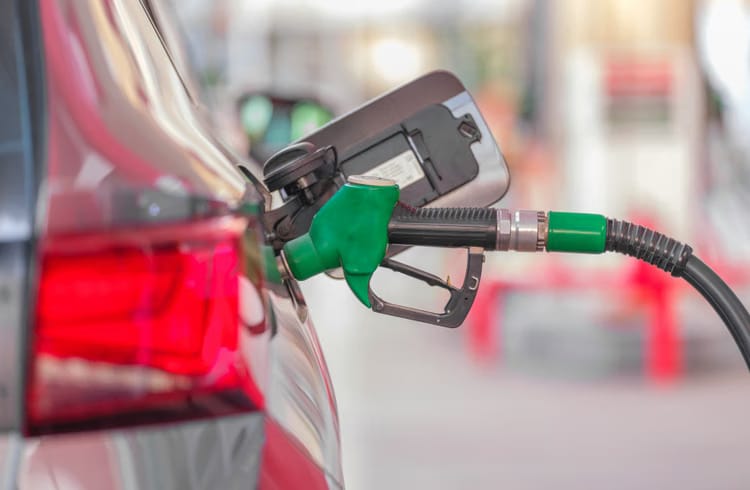
The week also brought a direct reminder of the oil-price risk. Petrol and diesel prices rose by ₹3 per litre, while CNG prices increased by ₹2. In Delhi, petrol moved to ₹97.77 a litre and diesel to ₹90.67 a litre. This gives fresh context to the rising interest in EVs, CNG and alternative fuels.
On the EV infrastructure front, the Centre approved the setting up of 4,874 EV chargers worth ₹503 crore. The government has allocated ₹10,900 crore to support EV adoption and charging infrastructure, while another ₹780 crore has been set aside for modernisation of vehicle testing agencies under the heavy industries ministry.
Delhi also moved on policy signalling, with the government suspending the purchase of new ICE vehicles for six months as part of the “My India, My Contribution” Delhi Action Plan. The move added to the broader policy push towards cleaner mobility, even as automakers continue to prepare for a multi-powertrain market rather than a single-technology transition.
Suppliers Step up Electrification and Localisation
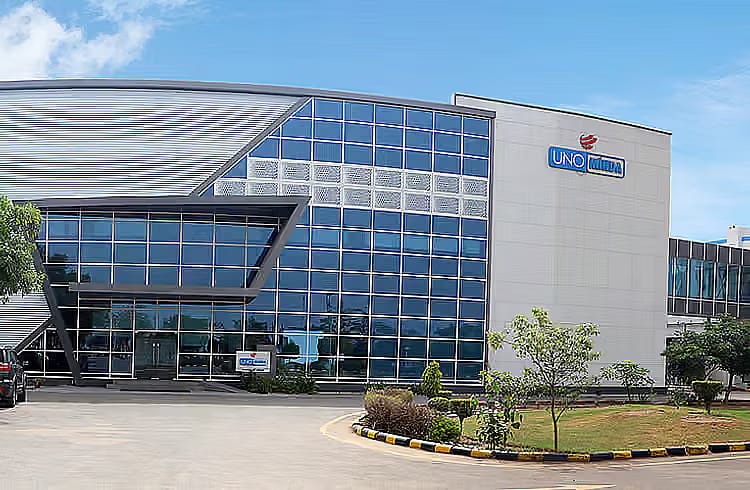
The supplier ecosystem also saw fresh investment activity. Uno Minda approved a ₹550 crore greenfield manufacturing facility in Chhatrapati Sambhajinagar, Maharashtra, for high-voltage electric powertrain products for four-wheeler passenger vehicles. The plant will manufacture and assemble Electric Drive Units and Dedicated Hybrid Transmission systems, with commissioning targeted for Q2 FY28.
Other supplier and technology moves pointed in the same direction. Hyundai widened its academic partnerships for domestic EV development and will now collaborate with seven colleges on 39 joint projects. Ola Electric’s board approved a ₹2,000 crore capital infusion for its EV and battery subsidiaries, while Kalyani Powertrain and APSRTC retrofitted a diesel bus into an electric AC coach with a claimed range of over 230 km for operational trials.
The component pipeline also remained active earlier in the week. Musashi announced it would supply side-mounted electric axles for Kinetic Green two-wheelers, while Valeo said it would supply its locally manufactured VSS360 ADAS system for commercial vehicles to an Indian OEM. Munjal Auto also won a new two-wheeler component contract from Honda Motorcycle and Scooter India for sheet-metal stamping and welding parts.
Used Cars, Aftermarket and Logistics Emerge As Growth Themes
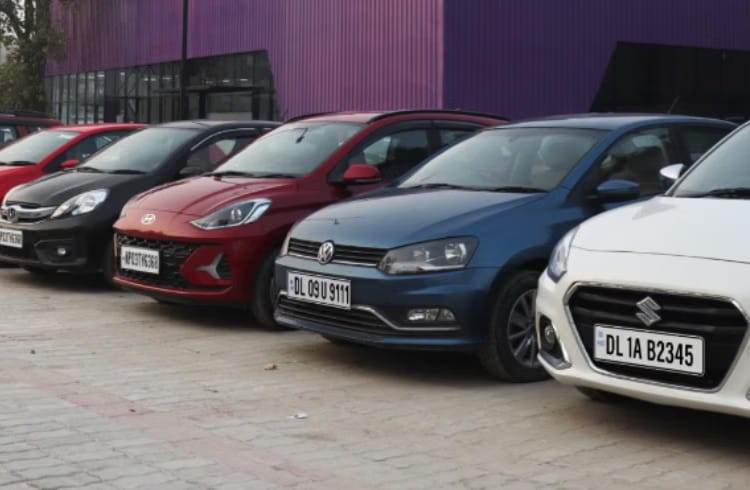
Beyond new vehicles, the used-car market emerged as a major long-term opportunity. A Redseer Strategy Consultants report said India’s used-car market could nearly double to $68-78 billion by FY31, from about $35 billion in FY26. Volumes are expected to rise to 9-10 million units by FY31 from around 6 million units in FY26, making India the third-largest used-car market globally by the end of the decade.
In the aftermarket, Motul India said it is planning a new manufacturing line through a dedicated partner to support growth. The lubricant maker said India is now its single-largest market globally by volume, after volumes doubled over the last four years. Motul expects to grow 10-15% annually over the next few years and wants to be among the top three aftermarket lubricant players by 2030, but not at the cost of profitability.
Maruti Suzuki, meanwhile, crossed 3 million cumulative vehicle dispatches by rail. The automaker has increased the share of rail-based vehicle dispatches from 5% to 26.5% over the past decade and now aims to raise it to 35% by FY31. The milestone underlines how logistics is becoming a business and sustainability lever for large-scale OEMs.
Software, Safety and Testing Move Up the Agenda
The week also showed how vehicle engineering is becoming more software- and safety-led. India MATLAB Expo noted that AI, electrification, digital twins and model-based design are reshaping engineering, testing and manufacturing workflows.
PTC also said it sees India as a key growth market for automotive software and digital engineering, with EV development and cost-effective product engineering creating fresh opportunities for the company. The broader message from the week was clear: software, simulation and integrated engineering systems are moving from support functions to core product-development tools.
Safety testing also gained ground. ARAI completed its first far-side sled test under Euro NCAP 2026 protocol, expanding its ability to evaluate occupant protection systems. With this, ARAI said it now has capability across the full range of NCAP sled tests, including knee mapping, Vehicle Test Configuration, whiplash and far-side evaluations.
The Week’s Broader Signal
The week’s news flow showed an industry still leaning into growth. Passenger vehicle makers are backing demand, EVs are gaining both policy and market tailwinds, suppliers are investing in electrified powertrain technologies, and the aftermarket is widening into used cars, vehicle care, digital platforms and alternative fuels.
But the same stories also carried a warning. Fuel prices have started moving, commodities remain volatile, West Asia is affecting exports and supply chains, and cost pressures are becoming harder to absorb. For FY27, the auto sector’s central challenge will be to protect the growth momentum created by GST 2.0 while preparing for a more expensive, more complex and more technology-led mobility market.
RELATED ARTICLES

Tenneco, Tata Technologies Deepen Partnership with $100 Million Commitment
 Sarthak Mahajan
 01 Jul 2026
Tenneco LLC and Tata Technologies have expanded their global partnership, with Tenneco set to invest more than $100 mill...


EnerG Lubricants Secures Mercedes-Benz MB 229.71 Engine Oil Approval
 Anurag Chaturvedi
01 Jul 2026
Anurag Chaturvedi
01 Jul 2026
The 0W-20 oil is EnerG's third Mercedes-Benz approval. EnerG and HPCL are the only two Indian-origin brands on the Germa...

Hero MotoCorp to Invest Over Rs 3,200 Crore in Andhra Pradesh, Breaks Ground for New Parts Centre
Sarthak Mahajan
01 Jul 2026
Hero MotoCorp laid the foundation stone for its second Global Parts Centre in Tirupati, part of a broader Rs 3,200 crore...