Follow us
Weekly News Wrap: JSW-Skoda VW JV Talks Advance, Hero Sets 2027 E-Motorcycle Entry, E20 Row Deepens
Strategic tie-ups, new EV plans and the evolving E20 debate dominated a week of rapid change across India’s automotive industry.
 By Darshan Nakhwa
 2645 Views


India’s automotive industry saw a busy week between August 3 and 9, 2026, with developments spanning potential joint ventures, new electric products, manufacturing investments, fuel policy, exports and fundraising.
One of the biggest developments came from Skoda Auto Volkswagen India and the JSW Group. The two companies are in the final stages of discussions for a manufacturing joint venture and are likely to sign a non-binding memorandum of understanding within the next two months. The structure under discussion is a 51:49 venture, with JSW Group expected to hold the majority stake. Senior global executives from Skoda Auto and Volkswagen are also expected to visit India in the second half of August.
Electric motorcycles also moved higher on the industry agenda. Hero MotoCorp indicated that its first electric motorcycle is expected to arrive in 2027 as India’s largest two-wheeler maker expands its EV portfolio beyond scooters. The plan stood in contrast with Ather Energy, whose chief executive Tarun Mehta said an electric motorcycle from the company was probably more than two years away, with Ather currently focused on products based on its new EL scooter platform.
The week also saw a sharp see-saw around E20 petrol. Media reports initially said the Society of Indian Automobile Manufacturers had raised concerns over chloride and moisture contamination and an increase in the replacement of some fuel- and emissions-related components. The petroleum ministry responded by saying state-run oil marketing companies were regularly monitoring fuel quality. SIAM subsequently withdrew its earlier communication, saying some of the numbers referred to required authentication. Indian Oil, HPCL and BPCL later released test results that they said did not support reports of unusually high chloride or water contamination in E20 petrol.
Away from these developments, Maruti Suzuki laid out a more ambitious growth roadmap, Audi prepared for a product and localisation-led comeback, Hyundai highlighted India’s growing role in its global operations, and EV retail sales touched an all-time high in July. The supplier industry remained equally active, with Michelin beginning passenger car tyre production in India, Motherson retaining a ₹6,000-crore capex programme, Dhoot Transmission preparing for expansion and an IPO, and several EV companies raising fresh capital.
Here is a detailed round-up of the key developments that shaped the automotive industry during the week:
Passenger Vehicles
JSW Group Eyes Majority in Proposed JV with Skoda Auto Volkswagen
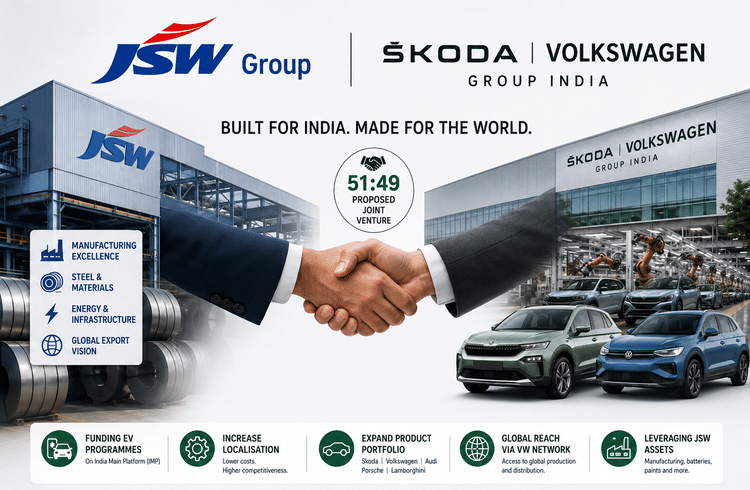
Skoda Auto Volkswagen India and JSW Group moved closer to a potential manufacturing partnership during the week. The proposed venture is being discussed as a 51:49 structure, with JSW expected to hold the controlling stake. A non-binding MoU could be signed within two months.
The discussions come as Skoda evaluates a larger role for its Indian operations in its global strategy. Separately, the carmaker is studying the possibility of exporting the India-developed Kylaq compact SUV to Europe. The proposal remains at an early stage, with the company examining homologation, emissions requirements and engine options.
Maruti Suzuki Sees Faster Path to Next Million Sales
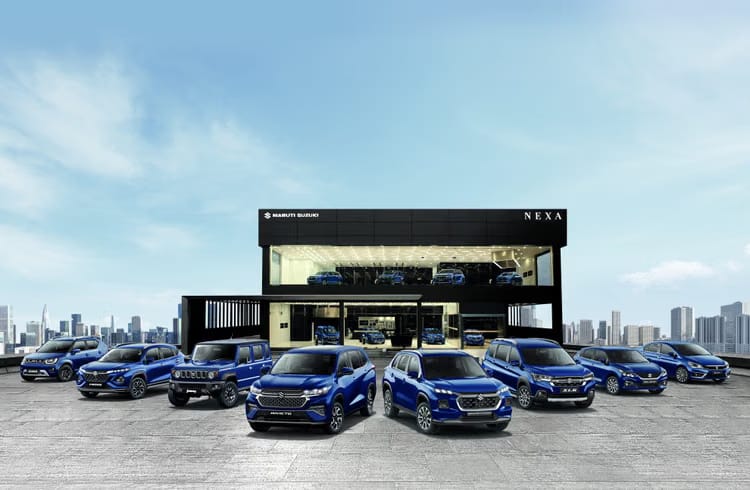
Maruti Suzuki said its journey towards the next million units of annual sales could be faster than previously expected. Managing Director and CEO Hisashi Takeuchi said the momentum generated in FY26 had put the company at an inflection point. The carmaker plans to introduce seven SUVs over the next five years.
The company is also reassessing its longer-term targets as it expects India’s passenger vehicle market to reach 6.1-6.3 million units by FY2031. Chairman RC Bhargava said stronger demand following GST reforms had prompted a fresh assessment of the next five years.
CNG will remain a major pillar of Maruti’s strategy. The company has set a target of selling nine lakh CNG vehicles in FY27 after volumes jumped 58% in the first quarter. It sold 2.2 lakh CNG vehicles during April-June, following sales of 7.46 lakh units in FY26.
Exports are another growth engine. Maruti is targeting higher overseas shipments in FY27 despite challenges in the Middle East. Japan has emerged as its third-largest export market, while Maruti now accounts for almost half of India’s passenger vehicle exports.
The carmaker is also making its manufacturing network more flexible. All new production lines will be designed to switch between platforms and models as demand changes, an approach intended to prevent capacity mismatches such as those created by the decline in small-car demand and the rise of SUVs.
At the same time, Maruti is increasing localisation and alternate sourcing as geopolitical uncertainty and dependence on specialised materials, semiconductors, batteries and electronics raise supply-chain risks. It is also expanding the use of software and generative AI in product development and manufacturing.
Audi Plans India Reset; BYD Readies Denza
Audi laid out a fresh plan to rebuild its position in the Indian luxury-car market. The company is preparing a three-model offensive led by the next-generation Q3 in the fourth quarter of 2026, followed by the A5 in the first half of 2027 and the flagship Q9 SUV. Audi India wants to double its market share over the medium term.
Globally, Audi is also moving away from an earlier all-electric-only strategy. CEO Gernot Döllner said the company will maintain a broader mix of battery-electric vehicles, plug-in hybrids and combustion-engine models as EV adoption progresses at different speeds across markets. EV assembly is also planned in India.
Greater localisation, more local assembly and quicker introduction of global products will form part of Audi’s India reset. Döllner said the country was becoming increasingly important to the company.
Meanwhile, BYD is preparing to introduce its premium Denza brand in India. The D9 executive MPV is expected to lead the rollout, with a launch being targeted around Diwali 2026, although it could be pushed to the Bharat Mobility Global Expo in February 2027.
Kia also moved further upmarket by opening pre-bookings for the Sorento, which will become its flagship SUV in India.
Hyundai: India Takes a Bigger Global Role
Hyundai Motor India said the country could become Hyundai Motor Company’s second-largest market globally by 2030, supported by economic growth, rising vehicle ownership and demand for technology-led mobility.
The automaker also disclosed that localisation at the OEM level reached 83% in FY26. Hyundai said greater localisation of high-value components and higher use of locally sourced steel were improving cost competitiveness and reducing import dependence.
Two-Wheelers
Hero Sets 2027 Electric Motorcycle Entry
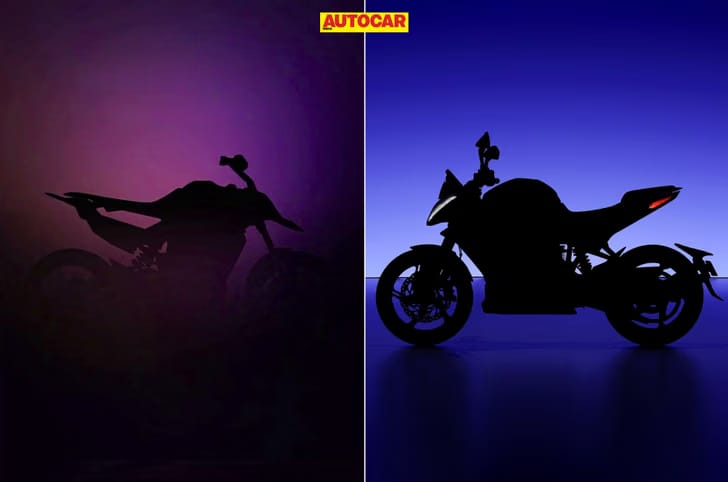 Hero MotoCorp emerged as one of the key companies to watch in the electric motorcycle space after saying its first battery-powered motorcycle is expected in 2027.
CEO Harshavardhan Chitale said the electric motorcycle programme was progressing and more details would be shared over the coming months. The product will take Hero’s EV portfolio beyond scooters.
Hero also turned more bullish on the overall two-wheeler market, saying industry growth could approach double digits in FY27. Demand remained strong through July across ICE and electric vehicles, although the high base created by the GST-led recovery last year could moderate growth in the second half.
The company also strengthened its premium business by appointing Anuj Dua as Chief Business Officer for the premium segment. The newly created role will oversee portfolio expansion, strategic partnerships, premium retail and rider engagement.
Bajaj Auto, meanwhile, expanded the Pulsar N160 range with the N160 S and N160 SS. The variants receive a revised 165cc engine, electronic throttle control and four riding modes, while the N160 SS also gets traction control and a TFT display.
Ather Holds Back on Motorcycle, Ola Embraces Dealers
While Hero plans an electric motorcycle for 2027, Ather Energy has no near-term plan to enter the segment. Tarun Mehta said an electric motorcycle was probably more than two years away as Ather first focuses on expanding its scooter portfolio around the EL platform.
Ather is, however, considering accelerating Phase 2 of its Aurangabad manufacturing facility if current EV demand continues. The company recently raised ₹2,500 crore, giving it flexibility to bring forward investment if Phase 1 capacity comes under pressure.
Ola Electric also made an important shift in its business model by opening its sales and service network to dealer partners. Company-owned stores will increasingly focus on brand and product experience, while dealers will take a larger role in sales and aftersales. Ola expects the dealership programme to gain meaningful scale by Diwali 2026.
E3 Electric Ai entered the market with the Trion electric scooter, designed so that a damaged wheel and hub motor can be repaired at a local workshop. The company has signed around 30 dealers and plans to establish a presence in at least 90 markets within its first year.
July Retail Crosses 3.27 Lakh Units
India’s electric vehicle market reached a new high in July. EV retail sales rose 66.2% year on year to 327,901 units, according to FADA, taking EV penetration across the overall vehicle market to nearly one in eight sales.
Electric two-wheelers were the largest contributor, while electric three-wheelers continued to account for more than 65% of their segment. Passenger EV sales also grew strongly, although supply constraints on popular models continued to restrict volumes.
E20 Seesaw
Contamination Report Triggers Claim, Counter-Claim and Withdrawal
Fuel quality became one of the week's most closely watched policy issues. A media report said SIAM had written to the petroleum ministry citing high chloride and moisture contamination in E20 petrol. The report also said automakers had seen a sharp rise in replacements of fuel injectors, pumps, EGR valves, exhaust components and other parts exposed to fuel or emissions.
The Ministry of Petroleum and Natural Gas responded that state-run OMCs regularly monitor fuel quality. SIAM later withdrew its earlier communication, saying the figures being referred to in media reports required authentication and that parts of its communication had been selectively quoted.
The issue took another turn when Indian Oil, HPCL and BPCL released results from a nationwide testing exercise. The companies said chloride levels in samples collected across the supply chain were between zero and 3 parts per million and that reports of levels as high as 500 ppm could not be validated.
The sequence kept the E20 debate alive even as the industry body stepped back from the figures that had triggered the controversy.
Tractors and Construction Equipment
Escorts Kubota Turns More Bullish
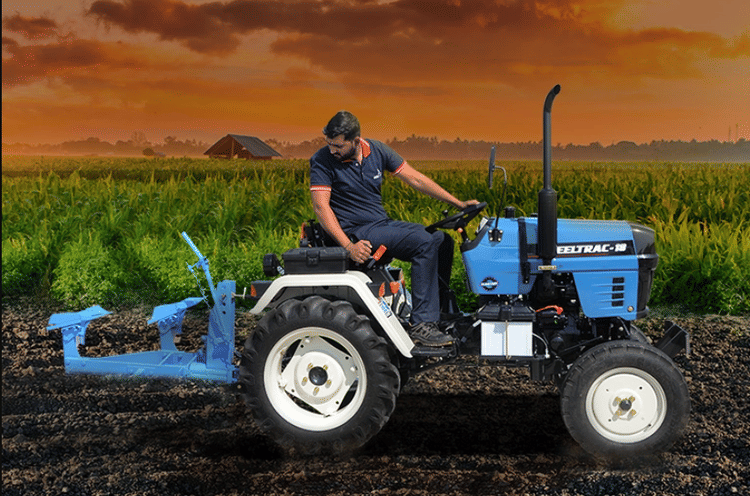 Escorts Kubota raised its FY27 outlook for the tractor industry to mid-single-digit growth after a stronger-than-expected first quarter.
The tractor industry sold a record 3.39 lakh units in Q1 FY27, up 18.6%. Escorts Kubota’s domestic volumes grew 22.9% to 35,457 units, its best first quarter, while July sales rose another 23.7%.
The company also expects the construction equipment market it serves to expand 12-15% in FY27. Cranes and mini excavators are expected to lead growth.
Escorts Kubota has budgeted ₹850-900 crore of capex in FY27, including ₹450-500 crore for a new greenfield project where groundbreaking is expected this month.
Tyres
Michelin Localises Passenger Tyres; JK Tyre Faces Cost Pressure
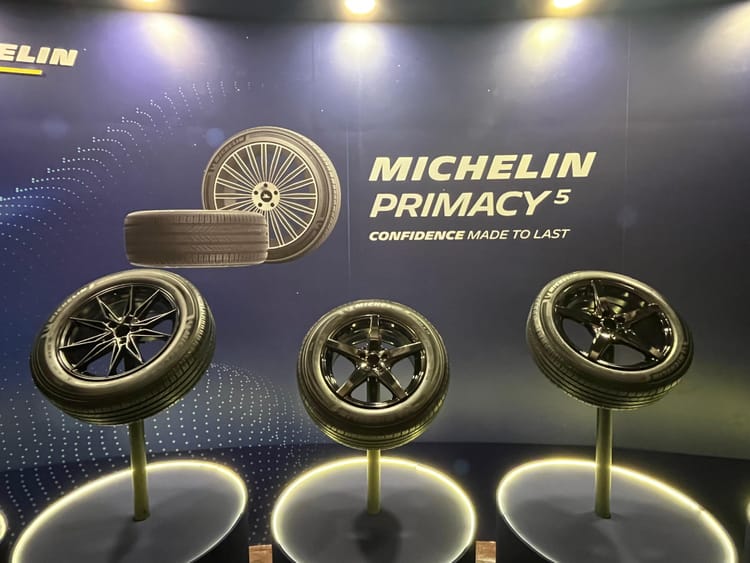 Michelin started producing passenger car tyres in India with the launch of the Primacy 5 from its Chennai plant. The tyre is aimed at sedans and SUVs and can be used on ICE, hybrid and electric vehicles. It will be sold through Michelin Tyres & Service outlets and around 800 authorised dealers.
The French tyre maker also outlined a larger role for India as a global hub for manufacturing, tyre development, AI and sourcing. More than ₹3,486 crore has been committed to Chennai, while Pune supports product development for North America and Asia and houses global AI, digital and corporate-service capabilities.
Michelin, however, made clear that local production was primarily about market access rather than lower manufacturing costs.
For JK Tyre, the week highlighted the other side of the tyre industry's operating environment. Raw-material prices rose about 20% between Q4 FY26 and Q1 FY27 and are expected to rise another 8-9% in Q2. Its consolidated EBITDA margin fell to 6.8%, from around 10.9% a year earlier.
The company’s Mexico operations were also hit hard by geopolitical disruption, with segment revenue falling 82% year on year to ₹89 crore in Q1 FY27.
Apollo Tyres, meanwhile, completed a production shutdown at its Netherlands plant in June as part of a restructuring that shifts more production towards India and Hungary. The full transition is expected to be completed by October.
Auto Components
Capex, Capacity and New Segments Take Centre Stage
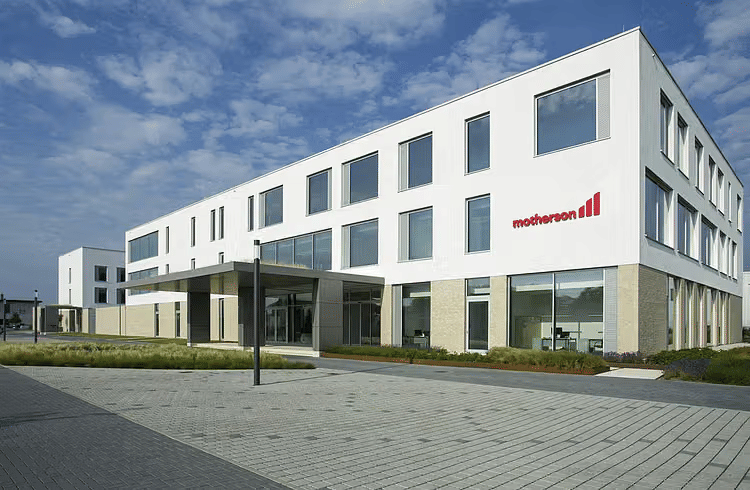 Samvardhana Motherson International retained its FY27 capex guidance at ₹6,000 crore, plus or minus 10%. Three plants were commissioned during Q1, taking its expansion pipeline to 13 facilities, of which 10 are expected to become operational during FY27.
Motherson Wiring said its new greenfield projects had reached breakeven after maintaining a revenue run-rate of around ₹450 crore in Q1. Profit contribution is expected to improve over the next one to two quarters as volumes scale.
Tenneco said its share of India’s passenger vehicle shock absorber and strut market had increased from 48% to 55% in eight months, helped by new programmes and growing demand for premium ride quality.
Dhoot Transmission also emerged as a company in expansion mode. It plans to increase capacity by 23% through two IPO-funded wiring-harness plants at Jhajjar and near Hosur, while other facilities are also under construction.
The company is additionally evaluating entry into passenger vehicle wiring harnesses and may seek government incentives for future products if they qualify under applicable schemes.
Godrej Enterprises opened a new material-handling equipment facility at Khalapur in Maharashtra with an initial capacity of 6,000 units annually, scalable to 15,000 units.
Meanwhile, Ardee Industries said it would first raise utilisation of its 156,950-tonne annual capacity to 75-80% before deciding on further brownfield or greenfield expansion.
Funding and M&A
EV Companies Raise Capital, Dhoot Heads for IPO
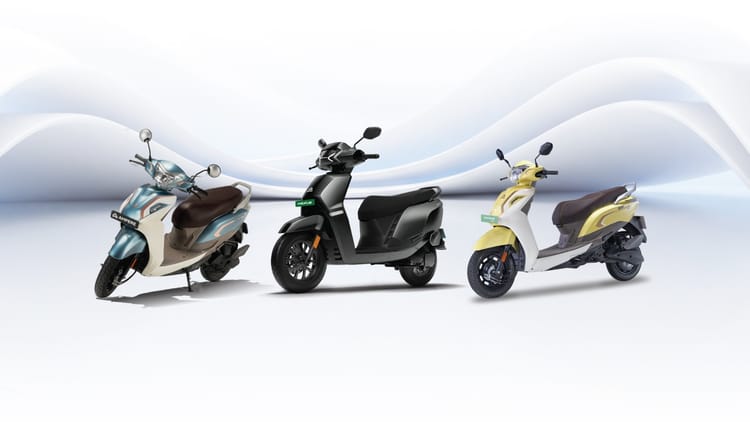 Capital continued to flow into electric mobility and auto components. Greaves Electric Mobility raised ₹530 crore through a fully subscribed rights issue to fund new products, battery management systems, powertrains and technology development.
River Mobility closed a $120 million Series C round comprising equity and venture debt, one of the larger private fund raises in India’s electric two-wheeler sector.
Matel Motion raised ₹130 crore in Series B funding to expand manufacturing, R&D and engineering capabilities and increase its presence in commercial EV powertrains.
Dhoot Transmission raised ₹918.27 crore from anchor investors ahead of its IPO, with domestic mutual funds taking a large share of the allocation.
Belrise Industries, meanwhile, acquired Hyva India’s tipper-body business for about $5.65 million. The transaction includes three manufacturing plants in Pune, Jamshedpur and Bengaluru.
Manufacturing and Digitalisation
India’s growing role as a manufacturing and engineering base remained a common thread across several developments.
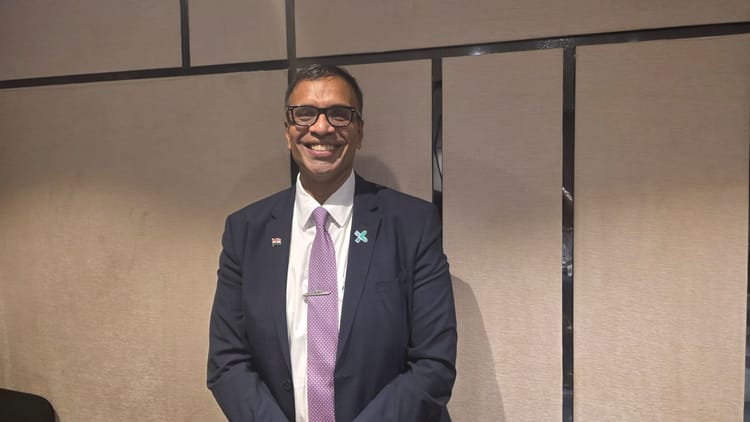
Siemens Digital Industries Software said India was already among its top 10 markets globally and could move towards the top five as the automotive and manufacturing sectors increase digitalisation.
Across OEMs and suppliers, the same themes were visible: localisation, flexible manufacturing, software, AI and greater supply-chain resilience. Maruti is preparing flexible production lines and alternate sourcing, Hyundai has pushed localisation to 83%, Michelin wants India to serve global manufacturing and R&D needs, and Motherson continues to add capacity.
Together, these developments showed that the industry’s current investment cycle is not only about adding factories. Automakers and suppliers are also changing where they source, how flexible their plants are, how much software they use and how much of their technology can be developed locally.
Leadership Changes
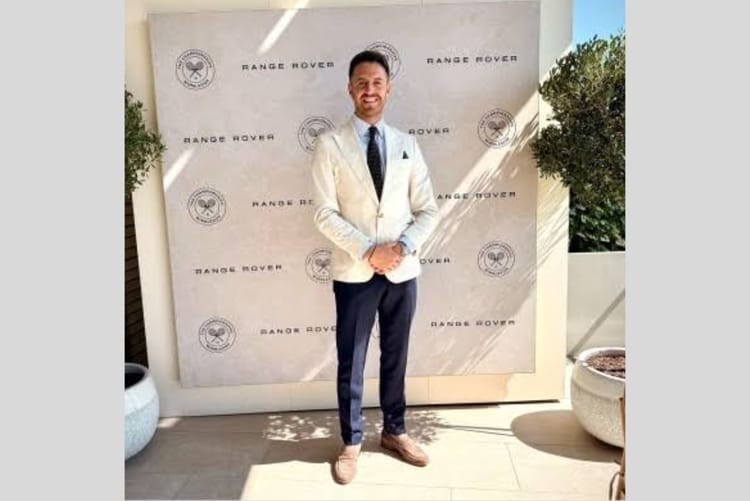
The week also brought several senior appointments. Hero MotoCorp appointed Anuj Dua to lead its premium business. JLR named Adam Constable as the first dedicated head of Discovery as the brand prepares for repositioning. Pininfarina appointed Davide Loris Amantea as Chief Creative Officer.
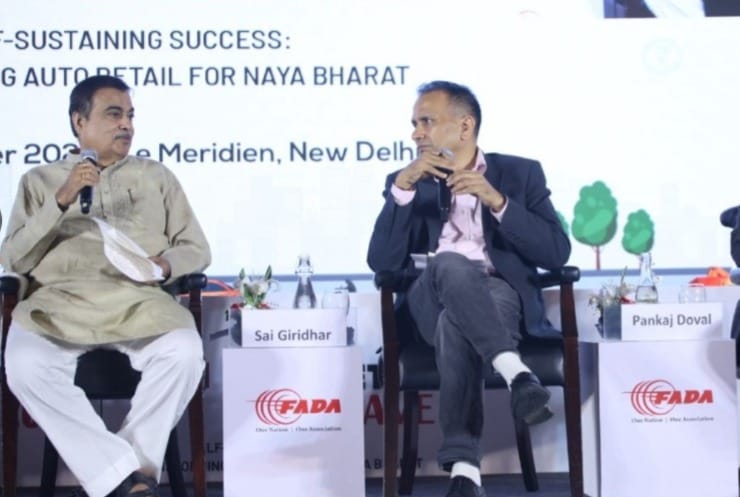
Pankaj Doval joined JSW Motor as senior vice president for corporate affairs and public policy, while Schaeffler India named Amit Bhalerao as Chief Operating Officer.
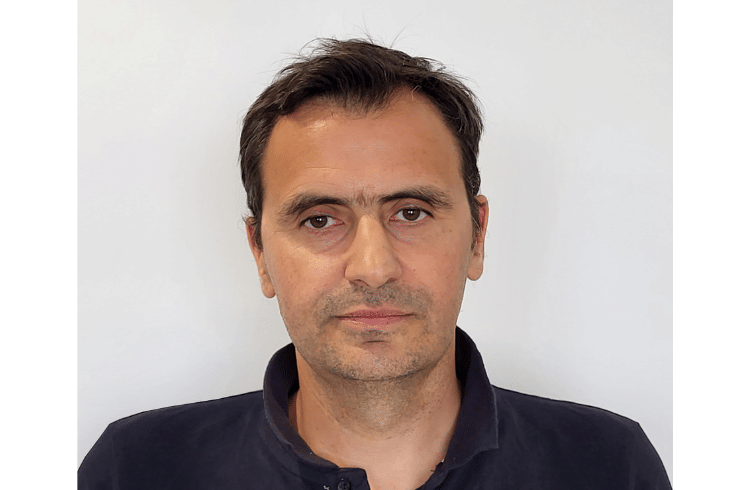 Varroc Engineering appointed Eric Hamon as Chief Technical Officer, Remsons Industries named Rahul Prabhakar Desai as CEO, and the Automotive Skills Development Council appointed Prasanna Pahade as its new chief executive.
The Week in Perspective
The August 3-9 week reflected several shifts happening simultaneously across the Indian automotive market.
At the OEM level, the potential JSW-Skoda Auto Volkswagen alliance showed how ownership structures and localisation strategies are being reconsidered as global carmakers seek greater scale in India. At the product level, Hero MotoCorp’s 2027 electric motorcycle plan signalled the next phase of competition in electric two-wheelers, even as Ather chose to wait.
At the policy level, the E20 episode moved rapidly from reported contamination concerns to government assurances, SIAM’s withdrawal and an OMC-led rebuttal, highlighting the scrutiny surrounding India's transition towards higher ethanol blending.
And underneath these headline developments, investment remained strong. Automakers were adding products and flexible capacity, suppliers were committing thousands of crores to expansion, EV companies were raising fresh capital and India was assuming a larger role in global manufacturing, sourcing, R&D and exports.
Taken together, the week showed an industry preparing simultaneously for higher domestic demand, greater exports, electrification and a more uncertain global supply-chain environment.

RELATED ARTICLES

SWITCH Mobility Secures 840 Electric Bus Order Under PM E-Drive
 Eshisha Java
 28 Sep 2026
SWITCH Mobility has secured an order for 840 electric buses under PM E-Drive, comprising 420 each of 9-metre and 12-metr...


Renault Triber 100PS Launched At Rs 7.84 Lakh, Debuts RGEP
Eshisha Java
28 Sep 2026
Renault Triber 100PS launches from Rs 7.84 lakh with the new RGEP platform, 100hp turbo engine, 180Nm torque and 21kpl c...

Amara Raja Opens Nominations For 4th Better Way Awards, Adds Student Category
Eshisha Java
28 Sep 2026
Amara Raja has opened nominations for its fourth Better Way Awards, with a new category for students developing solution...