Follow us
Will withdrawal of subsidies affect India's CV electrification?
As the automotive industry undergoes a significant transformation towards electrification, commercial vehicle manufacturers in India are developing innovative strategies to ensure their sustainability without relying on government assistance.
 5260 Views


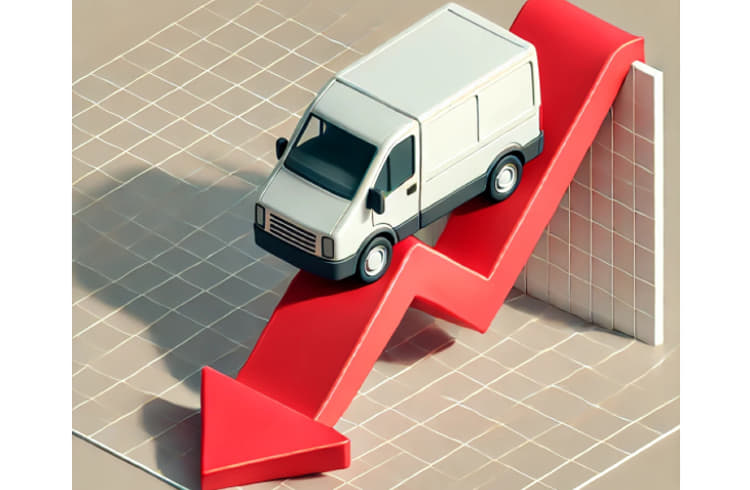
In the rapidly evolving landscape of India's commercial vehicle market, manufacturers are increasingly seeking to establish a foothold independent of government subsidies. This shift is driven by a combination of market dynamics, technological advancements, and strategic business models aimed at ensuring sustainable growth.
As the electric vehicle market matures, commercial vehicle manufacturers—traditionally cautious and reliant on policy-driven nudges—are innovating to stand independently. While some electric CVs, such as three-wheelers and trucks, do qualify for subsidies presently, the government has made it clear that these would be phased out over the next 1.5 years. Hence, for OEMs like Tata Motors, ...

RELATED ARTICLES

India's Great Tyre Build-Out
 Autocar Professional Bureau
 05 Oct 2026
India’s tyre makers are entering a Rs 18,000-crore investment cycle as factories run near capacity and demand shifts tow...


Local Powertrain Manufacturing, Product Mix Change Drive 8.9 Percent Net Profit Growth at CNH India
 Shahkar Abidi
30 Sep 2026
Shahkar Abidi
30 Sep 2026
In-house assembly at Pithampur yields a 20 percent engine procurement cost advantage as global supply chains face headwi...

JCB India Targets Farm Logistics, Bridging the Gap Between Tractors and Backhoes
Shahkar Abidi
29 Sep 2026
JCB India eyes a 20,000-unit addressable agri-handling market to formalize farm-gate logistics with factory-built altern...