Follow us
Carbon-neutral fuels could save the ICE engines
In a deal with the EU, Germany will allow new ICE cars to be sold in the bloc up to 2035 if they run on carbon-neutral fuels.
 28 Mar 2023
 2859 Views
Share -
2859 Views
Share -


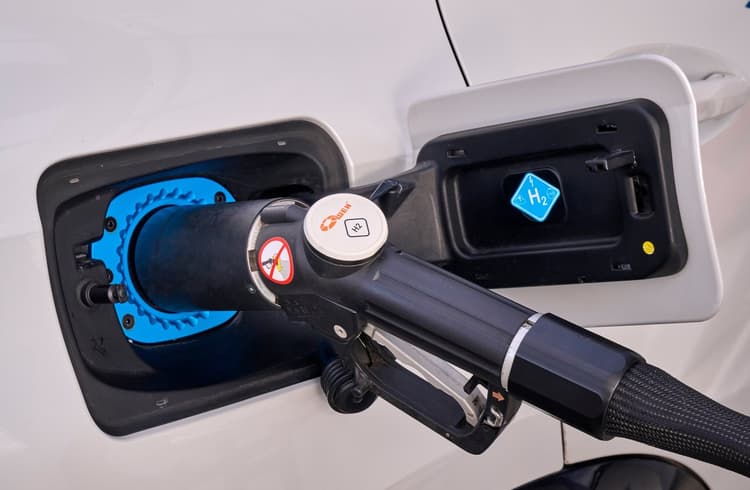
Germany has reached a deal with the European Union to allow the continued sale of new ICE cars in the bloc from 2035 as long as they're running on carbon-neutral fuels (e-fuel).
Sales of new ICE cars were set to be totally banned from 2035 through legislation enforcing a 100 percent reduction in CO2 emissions from all new vehicles sold. The final vote on the law – previously expected to be a formality – was postponed after German and Italian diplomats raised objections to the legislated shift to electric cars, demanding an exemption for e-fuel.
The move towards e fuels
E-fuels are made from CO2 captured from the atmosphere and hydrogen, and so are claimed to be carbon-neutral by their backers.
The integration of e-fuel into the EU’s plan to reduce emissions from transport is likely to be welcomed by manufacturers such as Ferrari, Lamborghini and Porsche, famed for their combustion engines. Porsche, in particular, has been a key driver behind the technology in recent years, having invested $75 million in Chilean firm Highly Innovative Fuels (HIF). However, Porsche currently has no plans to sell the fuel to motorists, reserving it for "lighthouse" projects like the Supercup, as well as its customer-facing experience centres.
In their current form, e-fuel are also prohibitively expensive for many. For example, British firm Coryton’s fuel, used in Prodrive’s Hunter T1+ Dakar rally-raider, costs roughly twice as much as regular unleaded petrol.
The opposition to e fuel
The support of German diplomats secured by the promised integration of e-fuel means the final vote on the legislation is now expected to pass. German transport minister Volker Wissing said on Twitter: “Vehicles with combustion engines can also be newly registered after 2035 if they only use CO2-neutral fuels.”
This is despite further objections from Italy, which is reportedly seeking additional guarantees for the use of biofuels (made from biomass, such as wood waste). However, it doesn't alone form a large enough barrier to block the legislation.
Critics also point out that e-fuel requires more energy than is needed to power battery electric vehicles on a per-mile basis, and that they don't completely erase local tailpipe emissions, as electric vehicles do. Volkswagen brand boss Thomas Schafer recently called the debate over e-fuel “unnecessary noise”. With Volkswagen planning to phase out ICE cars in 2033, he asked: “So why spend a fortune on old technology that doesn’t give you any benefit?”

RELATED ARTICLES

Maruti Suzuki Integrates Adobe Platform Across Sales and Service
 Eshisha Java
21 Oct 2026
Eshisha Java
21 Oct 2026
India’s largest automaker integrates Adobe Experience Platform to unify brand websites, real-time customer data, and ser...


HCLTech Launches NVIDIA-Powered V&V Solution for SDVs
Eshisha Java
21 Oct 2026
New AI-powered solution uses NVIDIA simulation stack to automate software validation workflows for OEMs and Tier 1 suppl...

Navratri Auto Retail Sales Rise 26.8% to 11.23 Lakh Units: FADA
Eshisha Java
21 Oct 2026
Total automotive registrations over the 10-day festive period surpassed 11.23 lakh units, driven by strong two-wheeler g...