Follow us
Neuron Energy partners with leading OEM to advance e-2W innovation
Neuron Energy is an EV battery manufacturer offering a wide range of mobility solutions, from lead-acid to advanced lithium-ion and sodium-ion technologies.
 4406 Views


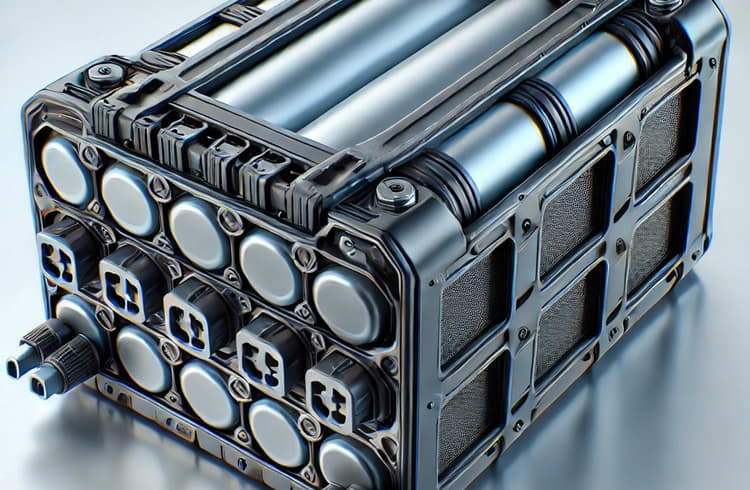
Neuron Energy, a leading EV battery manufacturer, has partnered with a original two-wheeler equipment manufacturer to establish a manufacturing facility dedicated to producing lithium-ion battery packs for electric two-wheelers.
The facility is designed to produce 3,000 battery packs per month, with a total energy output of 100 megawatt-hours (MWh). Over the next two years, the production capacity will be scaled to 150 MWh through an investment of Rs 150 crore, reinforcing India’s position as a leader in the global EV ecosystem.
Pratik Kamdar, CEO and Co-Founder of Neuron Energy, said, “This partnership represents a significant milestone in our journey to enhance the electric two-wheeler market with advanced lithium-ion technology. By joining forces with the OEM, we are combining our battery technology expertise with their market leadership to deliver unmatched performance and reliability to consumers.”
The collaboration also aligns with the Indian government’s vision of accelerating EV adoption by addressing key challenges such as battery performance, affordability, and scalability. The establishment of a dedicated manufacturing hub with robust production capabilities is expected to play a critical role in meeting the growing demand for electric two-wheelers in India.
Neuron Energy is an EV battery manufacturer offering a wide range of mobility solutions, from lead-acid to advanced lithium-ion and sodium-ion technologies. With a focus on quality and innovation, the company serves diverse applications beyond traditional vehicles.
India’s electric vehicle market has been growing rapidly driven by government incentives, environmental concerns, and advancements in battery technology. The two-wheeler EV segment, in particular, has gained significant momentum due to its affordability and practicality in urban and semi-urban areas.
Lithium-ion batteries are considered a game-changer in the EV industry due to their higher energy density, longer lifespan, and faster charging capabilities compared to traditional lead-acid batteries. However, challenges like production costs and limited local manufacturing have hindered widespread adoption, making joint ventures like this vital for scaling production and reducing costs.
The Indian government has introduced several initiatives, such as the Faster Adoption and Manufacturing of Electric Vehicles (FAME) schemes, aimed at promoting EV adoption. These include subsidies for EV buyers, incentives for manufacturers, and investments in charging infrastructure, creating a favorable ecosystem for partnerships and innovation.

RELATED ARTICLES

Carmakers work Sundays, Holidays to Meet Festive Demand
 Ketan Thakkar
 27 Oct 2026
Maruti Suzuki’s October output could exceed 2.5 lakh vehicles, while Tata Motors has worked additional Sundays as manufa...


Tata Motors Secures Acceptances for 89.42% Iveco Stake, Crosses Offer Threshold
 Autocar Professional Bureau
27 Oct 2026
Autocar Professional Bureau
27 Oct 2026
Shares tendered under the offer are worth €3.43 billion; the acquisition would bring Tata Motors closer to its ambition ...

High-Tech Two-Wheelers Power EV Revenue Surge at Auto Parts Supplier Sona
 Shahkar Abidi
26 Oct 2026
Shahkar Abidi
26 Oct 2026
The automotive component maker expands two-wheeler EV portfolio, driving record quarterly revenue.