Follow us
Cautious optimism prevails as EV market cools
As electric vehicle manufacturers grapple with the withdrawal of subsidies for fleet vehicles and the continued exclusion of private cars from government support schemes, the industry faces significant challenges in maintaining adoption rates and market momentum in the coming years.
 5700 Views


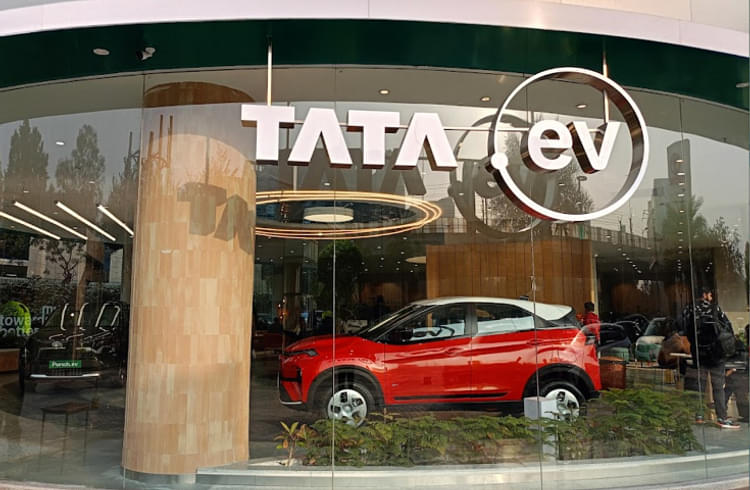
Electric passenger vehicle sales in India have been on a downward trajectory, with September 2024 marking a 17-month low of just 6,098 units sold. Month-on-month sales have been declining since March, when subsidies for fleet EVs were discontinued.
Sales in March stood at 9,769 units, but by September, they had plummeted 37% -- when they hit a 17-month low of 6,098 units (excluding a temporary boost during the festive season in October when it crossed the 10,000 mark). EV market leader Tata Motors held a 65% market share for the January-October 2024 period. However, this marks a significant year-on-year ...

RELATED ARTICLES

India a Blueprint for Hyundai's Global Expansion Strategy: CEO José Muñoz
 Darshan Nakhwa
 13 Oct 2026
Hyundai Motor Company is drawing on its experience of localisation in India to strengthen its global operations, as the ...


Electric Trucks: Waiting for the World
 Mukul Yudhveer Singh
13 Oct 2026
Mukul Yudhveer Singh
13 Oct 2026
Truckmakers have built the zero-emission truck. Now they need the infrastructure, economics and customers to match.

SPR Auto Challenges Traditional Cabin Audio with Speaker-Less Acoustic Headliner Technology
 Ketan Thakkar
09 Oct 2026
Ketan Thakkar
09 Oct 2026
By deploying top-mounted agitators that vibrate roof fabric, the Tier-1 supplier eliminates conventional speakers to red...