


 Follow us
SaveLIFE Foundation signs MoU with IIT, Roorkee to enhance road safety
The terms of the MoU include implementation and impact assessment of SLF’s on-ground projects, collaborating on research studies, conducting knowledge sessions and training students and scholars in latest road safety practices.
 6738 Views


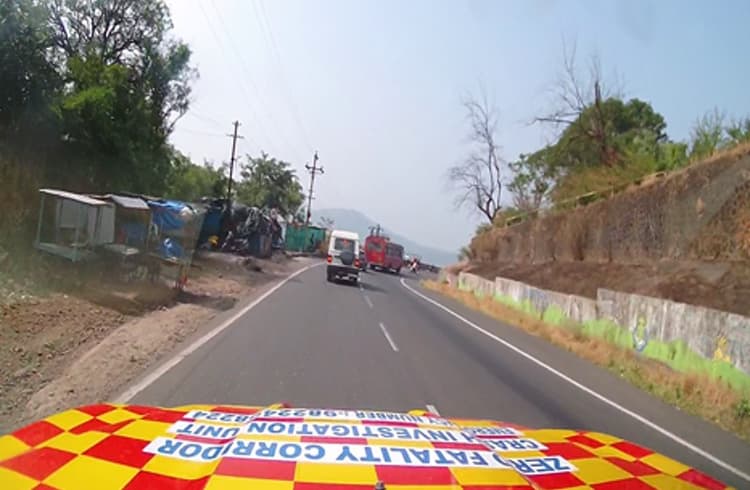
The SaveLIFE Foundation (SLF), a non-profit organisation has signed an MoU with IIT Roorkee to expand the effective implementation and measurement of road safety projects across India.
The terms of the MoU include implementation and impact assessment of SLF’s on-ground projects, collaborating on research studies, conducting knowledge sessions and training students and scholars in latest road safety practices. Piyush Tewari, Founder and CEO of SaveLIFE Foundation, said, “As we scale up our Zero-Fatality Corridor model to dozens of highways across India in partnership with the Government of India, our collaboration with IIT-Roorkee will enable us to develop innovative solutions to peculiar road safety challenges and help develop more talent in this space for a better and safer tomorrow.”
SLF’s Zero-Fatality Corridor project is credited with reducing road accident deaths by over 50% on the National Highway 48 in Maharashtra and the Mumbai-Pune Expressway.
Prof Ajit Kumar Chaturvedi, Director IIT Roorkee said, “Our partnership with SaveLIFE Foundation will enable both partners to make more impactful interventions on the ground. It will also help IIT Roorkee expand its perspective on road safety.”

RELATED ARTICLES

Weekly News Wrap: Festive Sales Surge, Citroen Eyes India EV Production, BKT-Pirelli Plan JV
 Darshan Nakhwa
 25 Oct 2026
Festive demand drives vehicle sales, while automakers outline new electric vehicle plans, Tata Motors projects double-di...


Castrol India Q32026 Net Profit Drops 23% to Rs 176 Crore as Input Costs Surge
 Dev Vadchhedia
24 Oct 2026
Dev Vadchhedia
24 Oct 2026
The lubricants maker recorded 27 percent revenue growth, but raw material inflation and currency headwinds pressed profi...

Paradeep Parivahan Secures 10-Year EV Heavy Haulage Contract From JSW Group
 Autocar Professional Bureau
24 Oct 2026
Autocar Professional Bureau
24 Oct 2026
The logistics provider will deploy 100 electric trucks for industrial transport across Andhra Pradesh and Karnataka.