Follow us
Maharashtra Approves Electric Bike Taxi Policy for Urban Areas
New green initiative aims to boost mobility and employment while addressing safety concerns through stringent regulations for operators.
 By Angitha Suresh
 3443 Views


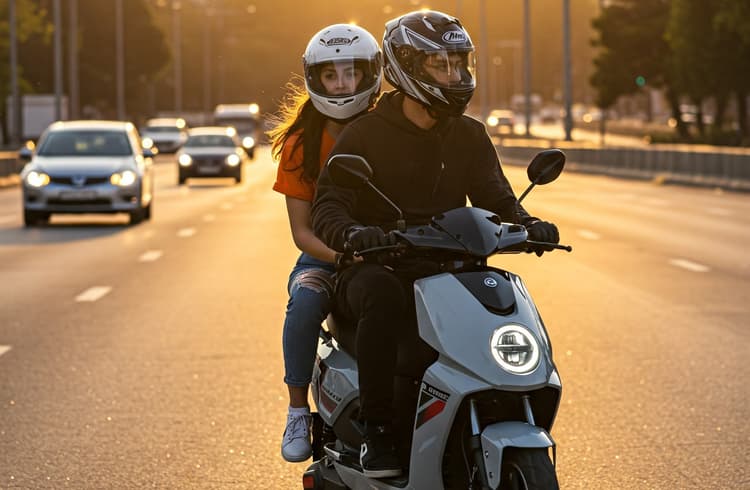
Maharashtra's government has approved a comprehensive policy framework for electric bike taxis across the state, marking a significant step toward sustainable urban transportation. The decision, announced Monday, permits operations in all cities with populations exceeding one lakh residents.
The policy mandates a 100% electric fleet, underscoring the government's commitment to eco-friendly transit solutions. This requirement aligns with broader efforts to reduce urban pollution and promote green mobility alternatives.
Safety measures feature prominently in the new regulations. Drivers must be over 20 years old, and services are restricted to carrying just one passenger per trip. Children under 12 will not be permitted to use these services.
To address women's safety concerns, bike taxis must be equipped with separating shields between drivers and passengers. The policy also aims to achieve gender parity in the workforce, targeting 50% female drivers, though no specific timeline has been established for this goal.
The state transport department will issue 50 non-transferable permits initially, each valid for five years. All vehicles must include GPS tracking systems and emergency contact features to enhance passenger security.
Additional safety provisions include mandatory insurance coverage for both drivers and passengers in case of accidents. Seasonal protective covers will be required during monsoon months to ensure comfort during inclement weather.
The policy limits each ride to a maximum distance of 15 kilometers, designed to focus services on improving last-mile connectivity rather than replacing longer-distance transportation options.
This initiative continues Maharashtra's efforts to modernize urban mobility options while addressing environmental concerns. Several Indian states have already implemented similar services with varying regulations, though Maharashtra's 100% electric requirement positions it as one of the more environmentally progressive policies nationwide.
Transportation experts suggest the move could create significant employment opportunities while helping reduce traffic congestion in densely populated urban centers across the state.

RELATED ARTICLES

High-Tech Two-Wheelers Power EV Revenue Surge at Auto Parts Supplier Sona
 Shahkar Abidi
 26 Oct 2026
The automotive component maker expands two-wheeler EV portfolio, driving record quarterly revenue.


MoRTH Amends CMVR to Formalise E100, B100 Testing Norms; Raises Light-Vehicle Test Limit to 3,500 kg
Shahkar Abidi
26 Oct 2026
Gazette notification provides clear homologation roadmap for flex-fuel vehicles.

Amara Raja Appoints Preetam Ganguly as Chief Business Officer for Industrial Business
 Dev Vadchhedia
26 Oct 2026
Dev Vadchhedia
26 Oct 2026
The former Cummins India executive takes charge of industrial battery segment as part of a leadership succession plan.