Follow us
Kia recalls Seltos petrol-CVT, 4,358 units impacted
The company says it is proactively reaching out to customers and replacing the electronic oil pump controller in the affected models
 23 Feb 2024
 6460 Views
Share -
6460 Views
Share -


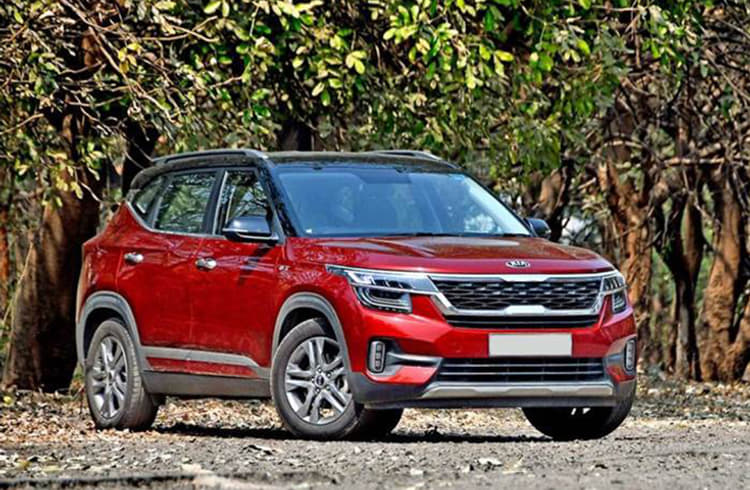
Kia has announced a voluntary recall for 4,358 units of the Kia Seltos. The company explained that the recall was prompted by a “potential error in the electronic oil pump controller, which may impact the performance of the electronic oil pump” in the SUV’s CVT gearbox.
Kia says it is proactively reaching out to customers and replacing the faulty part in the affected models, which were manufactured between February 28 and July 13, 2023.
This automatic gearbox, which Kia calls IVT, is available with the 115hp, 1.5-litre petrol engine in the Seltos; the midsize SUV is on sale with two more engines – a 116hp, 1.5-litre diesel and a 160hp, 1.5-litre turbo-petrol – each with its own automatic gearbox option. After Seltos prices were revised in January, the SUV is now priced from Rs 10.90 lakh- 20.30 lakh.
In India, Kia has had previously issued recalls in October 2022 and in June 2023; both times for the Carens MPV. The Carens was first recalled for an airbag software issue, and then to update software on its instrument cluster.

RELATED ARTICLES

Castrol India Q32026 Net Profit Drops 23% to Rs 176 Crore as Input Costs Surge
 Dev Vadchhedia
24 Oct 2026
Dev Vadchhedia
24 Oct 2026
The lubricants maker recorded 27 percent revenue growth, but raw material inflation and currency headwinds pressed profi...


Paradeep Parivahan Secures 10-Year EV Heavy Haulage Contract From JSW Group
 Autocar Professional Bureau
24 Oct 2026
Autocar Professional Bureau
24 Oct 2026
The logistics provider will deploy 100 electric trucks for industrial transport across Andhra Pradesh and Karnataka.

Ursaa Energyworx Launches Ursaa Hybrid Platform for Fleet Operations and Battery Data
 Shruti Shiraguppi
24 Oct 2026
Shruti Shiraguppi
24 Oct 2026
Ursaa Hybrid links vehicle movement and utilisation data with battery performance, charging activity and route execution...