Follow us
Kalyani Powertrain, Revfin and Bluwheelz team up to launch retrofitted electric trucks in India
Kalyani Powertrain Ltd (KPTL), the electric mobility arm of Bharat Forge Ltd, Bluwheelz, a sustainable logistics solutions provider, and Revfin, a digital lending platform focused on sustainable mobility, have come together to introduce retrofitted electric trucks to the Indian logistics sector.
 9782 Views


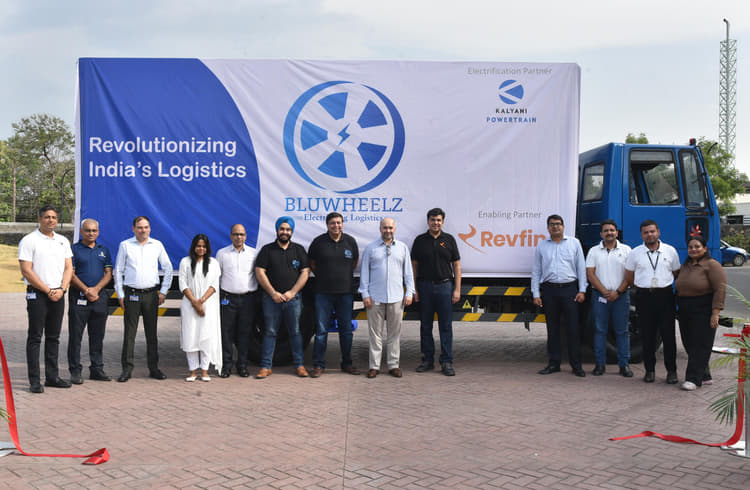
Kalyani Powertrain Ltd (KPTL), the electric mobility arm of Bharat Forge Ltd, Bluwheelz, a sustainable logistics solutions provider, and Revfin, a digital lending platform focused on sustainable mobility, have come together to introduce retrofitted electric trucks to the Indian logistics sector. The initiative aims to support the conversion of truck fleets to electric vehicles over the next five years.
KPTL has successfully homologated retrofitted electric trucks in the 10-16T GVW category for the N3 Goods Carrier segment. These trucks are designed to serve various sectors, including FMCG, e-commerce, cement, steel, and perishable goods.
Retrofitting is seen as a crucial step in the evolution of urban transport, contributing to sustainable and smart cities by extending the lifespan of old vehicles and helping them avoid scrappage. However, the adoption of retrofitted EVs and EVs, in general, will require cheaper financing from financial and climate-focused institutions, as well as supporting schemes and incentives for earning carbon credits.
Sameer Aggarwal, CEO and Founder of Revfin, emphasized the importance of retrofitting in achieving decarbonization and net-zero goals worldwide. He also advocated for regulations that simplify retrofitting processes and extend the vehicle registration period beyond 15 years.
CP Sethi, CEO and Co-founder of Bluwheelz, noted that the retrofitted electric trucks are capable of carrying a payload ranging between 7-10T and are designed to operate on intercity routes.
Amit Kalyani, Vice-Chairman & Joint Managing Director of Bharat Forge Ltd, stated that KPTL is committed to developing sustainable transportation infrastructure and promoting retrofitted vehicles, which can result in a 24% reduction in the Total Cost of Ownership compared to new electric models.
The transition from internal combustion engine-powered vehicles to electric presents challenges, but a coordinated effort involving government initiatives, industry collaboration, and public engagement can help overcome these hurdles and pave the way for a sustainable future.

RELATED ARTICLES

Castrol India Q32026 Net Profit Drops 23% to Rs 176 Crore as Input Costs Surge
 Dev Vadchhedia
 24 Oct 2026
The lubricants maker recorded 27 percent revenue growth, but raw material inflation and currency headwinds pressed profi...


Paradeep Parivahan Secures 10-Year EV Heavy Haulage Contract From JSW Group
 Autocar Professional Bureau
24 Oct 2026
Autocar Professional Bureau
24 Oct 2026
The logistics provider will deploy 100 electric trucks for industrial transport across Andhra Pradesh and Karnataka.

Ursaa Energyworx Launches Ursaa Hybrid Platform for Fleet Operations and Battery Data
 Shruti Shiraguppi
24 Oct 2026
Shruti Shiraguppi
24 Oct 2026
Ursaa Hybrid links vehicle movement and utilisation data with battery performance, charging activity and route execution...