Follow us
Bosch Introduces Third-Generation SiC Chips for Electric Vehicle Applications in India
New silicon carbide semiconductor generation is designed to improve EV powertrain efficiency, support longer driving range and enable more compact power electronics systems.
 09 Jun 2026
 3028 Views
Share -
3028 Views
Share -


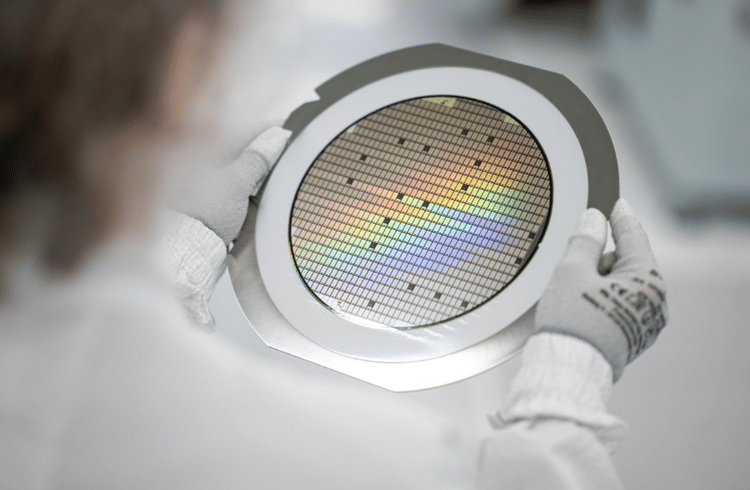
Bosch has introduced its third-generation silicon carbide (SiC) semiconductors in India, targeting the growing electric vehicle (EV) market with a technology aimed at improving powertrain efficiency and reducing energy losses. The company said the new chips deliver around 20 percent higher performance compared to the previous generation and are intended for use in EV power electronics systems.
SiC semiconductors play a key role in EV inverters by controlling the flow of energy between the battery and the electric motor. Bosch said the latest generation is designed to improve battery utilisation, extend driving range without increasing battery size, and contribute to lower total cost of ownership for vehicle users.
The company stated that it has delivered more than 60 million SiC chips globally and continues to invest in expanding its semiconductor capabilities to support vehicle electrification and advanced mobility applications.
Bosch said the third-generation technology reduces energy losses and improves thermal performance, enabling more compact power electronics designs with lower cooling requirements. The company added that miniaturisation can improve manufacturing efficiency by increasing the number of chips produced per wafer, potentially supporting broader adoption across vehicle segments.
According to Bosch, the technology is intended not only for premium electric vehicles but also for mass-market EVs where efficiency, affordability and reliability remain important considerations. The company said the launch aligns with India's ongoing push towards electrification, localisation and advanced manufacturing.
"Our advanced SiC technology is designed to deliver the tangible benefits that Indian consumers demand – longer driving range, faster charging, and lower long-term costs," said Sandeep Nelamangala, Joint Managing Director, Bosch Limited, and President, Bosch Mobility India.
Bosch said the introduction of the new semiconductor generation is part of its broader strategy to support the development of India's EV ecosystem through a combination of global semiconductor expertise and local market engagement.

RELATED ARTICLES

BMW India Sees Little Scope for Hybrids, Expects Diesel to Lose Out as EVs Gain
 Kiran Murali
12 Sep 2026
Kiran Murali
12 Sep 2026
The German carmaker rules out plug-in hybrids citing cabin packaging compromises and long-range battery gains, as EVs re...


ARAI Cylinder Testing Facility Gets NABL Accreditation
Eshisha Java
12 Sep 2026
ARAI cylinder testing facility at Takwe, Pune, receives ISO/IEC 17025 NABL accreditation for high-pressure gaseous cylin...

Yulu Opposes MoRTH's Move to Deregulate Low-Speed EV Mass
 Shahkar Abidi
12 Sep 2026
Shahkar Abidi
12 Sep 2026
Yulu has opposed MoRTH’s proposal to remove the 60kg weight limit for low-speed EVs, citing road safety, enforcement and...