Follow us
Bajaj Auto to ramp up manufacturing capacity in Brazil by 75% next year
The automaker is investing Rs 84 crore in its wholly-owned Brazilian subsidiary Bajaj Do Brasil Comercio De Motocicletas Ltda, which recently commissioned a manufacturing facility with a capacity of 20,000 units.
 16 Oct 2024
 7165 Views
Share -
7165 Views
Share -


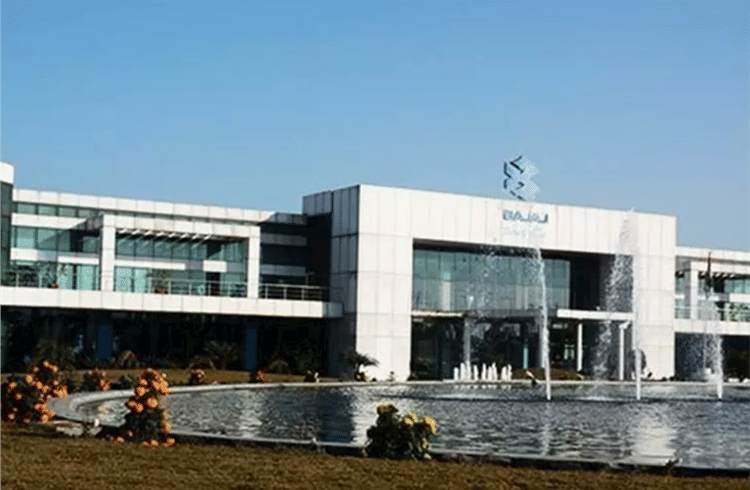
Bajaj Auto Ltd, India’s major two-wheeler maker, plans to ramp up its manufacturing capacity in Brazil by 75% next year, to capitalise on the growing motorcycle demand in the Latin American country.
The company is investing Rs 84 crore in its wholly-owned Brazilian subsidiary Bajaj Do Brasil Comercio De Motocicletas Ltda, which recently commissioned a manufacturing facility at Manaus Free Trade Zone with an annual capacity of 20,000 units on a single shift basis.
The capacity will be boosted to 35,000 units per annum from the current 20,000 units next year, Bajaj Auto Executive Director Rakesh Sharma told reporters on Wednesday. The capacity addition will be funded by the new capital infusion being done.
“The working capital cycle has slightly become longer because of all the shipping disturbances around the Red Sea, and this is the time when the Amazon River sort of goes down, so there is a need to maintain a higher level of stocks etc. because shipping gets disrupted even inside Brazil,” he said.
Bajaj Auto currently sells the Dominar range of motorcycles in Brazil. The company’s size in Brazil, based on the trailing four quarters that ended September 30, was around Rs 250 crore from sales of approximately 9,000 motorcycles under the Dominar brand.
The Pune-based company generated around 42% of its overall two-wheeler volume from international markets last year. The higher mix of exports in Bajaj Auto’s product mix has been a major factor supporting the company’s margins over the period.
Robust sales in Latin America partly alleviated the volume drop in Africa and Asia regions during the last financial year. Latin American markets last year registered growth of 17% on year in the financial year 2024.
On Wednesday, Bajaj Auto reported July-September profit after tax, adjusted for an exceptional deferred tax provision, of Rs 2,216 crore, representing a 21% year-over-year increase. Revenue from operations surged 22% year-over-year to Rs 13,127 crore, crossing the Rs 13,000 crore mark for the first time.

RELATED ARTICLES

Weekly News Wrap: Festive Sales Surge, Citroen Eyes India EV Production, BKT-Pirelli Plan JV
 Darshan Nakhwa
25 Oct 2026
Darshan Nakhwa
25 Oct 2026
Festive demand drives vehicle sales, while automakers outline new electric vehicle plans, Tata Motors projects double-di...


Castrol India Q32026 Net Profit Drops 23% to Rs 176 Crore as Input Costs Surge
 Dev Vadchhedia
24 Oct 2026
Dev Vadchhedia
24 Oct 2026
The lubricants maker recorded 27 percent revenue growth, but raw material inflation and currency headwinds pressed profi...

Paradeep Parivahan Secures 10-Year EV Heavy Haulage Contract From JSW Group
 Autocar Professional Bureau
24 Oct 2026
Autocar Professional Bureau
24 Oct 2026
The logistics provider will deploy 100 electric trucks for industrial transport across Andhra Pradesh and Karnataka.