Follow us
Tech talk: How diesel engines prove more beneficial than petrol engines
Though both fuels come from crude oil, diesel engines' compression ignition and no throttle gives them the edge.
 18 Dec 2019
 342053 Views
Share -
342053 Views
Share -


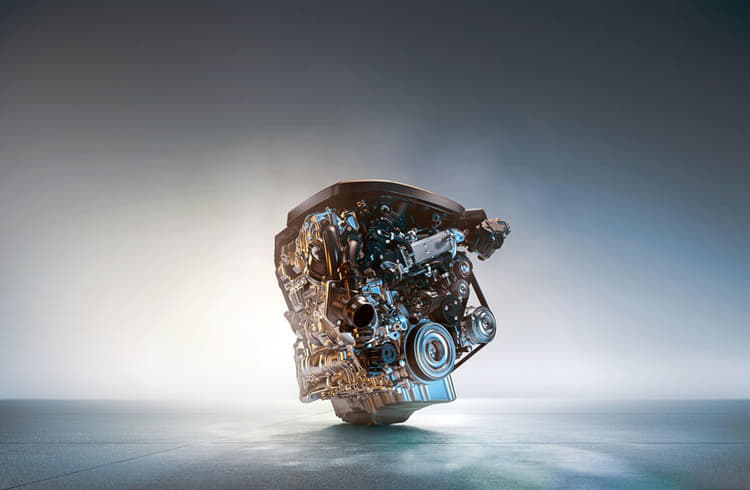
Diesel engines may have fallen out of favour recently but they will always be more frugal than petrol engines
Diesel engines are more economical than petrol engines, which still haven’t caught up despite advances like direct injection. So what exactly is the difference between petrol and diesel engines and how do diesels work?
First off, diesel and petrol both come from the same source, crude oil. They’re both hydrocarbon liquid fuels, but diesel does have different properties from petrol. Diesel is more dense than petrol and contains about 15 percent more energy by volume. That means, litre for litre, you literally get more bangs for your buck.
But that’s not the whole story. Diesel engines are still far more efficient than petrol engines at converting fuel to mechanical energy. In fact, including the energy advantage of the fuel itself, diesels are up to 40 percent more efficient at doing that. Both types of engines are classified as ‘heat’ engines because they convert heat energy from fuel into mechanical energy. But diesels have better thermal efficiency than petrol engines, which means they convert more of the heat into mechanical energy and waste less of it into the environment.
Diesel engines work by compressing air so tightly in a small combustion space that it gets hot enough to ignite diesel spontaneously when it’s injected. The petrol engine relies on a spark for ignition at lower compression. The higher compression ratio of the diesel engine means it has a high expansion ratio – the difference between the compressed space and space opened up when the piston reaches the bottom of its travel. That equates to higher efficiency.
Diesel engines are also unthrottled. Most petrol engines throttle the amount of air going into the engine because the air-to-fuel ratio needs to stay at the optimum point of 14.7:1, so the quantity of fuel and air entering the engine are both regulated. A diesel engine runs very lean (much more air) and can draw in as much air as it wants, controlling the power only by injecting more or less fuel. The petrol engine is attempting to suck in the same amount of air at low throttle openings but can’t, causing ‘pumping losses’. It’s like sucking through a squashed straw: the engine can’t win but it uses energy trying. The unthrottled diesel engine doesn’t have that problem, which also increases efficiency.
On the thorny and controversial question of emissions, the diesel generates less CO2 because it’s more efficient and burns less fuel. It does create more oxides of nitrogen (NOx) inside the combustion chamber but that has nothing to do with the composition of diesel fuel. NOx is formed in any high-temperature combustion process because nitrogen in the air combines with oxygen (it oxidises).
Because diesel engine combustion is hot and runs lean, it makes more NOx. This is cleaned up by exhaust after-treatment, such as SCR (selective catalyst reduction), and the latest diesels produce extremely low amounts of NOx. The diesel may have had a bad press over the past few years, but lower fuel consumption will make it a tough act to follow between now and whenever combustion engines finally bite the dust.
VW's two-for-one SCR deal
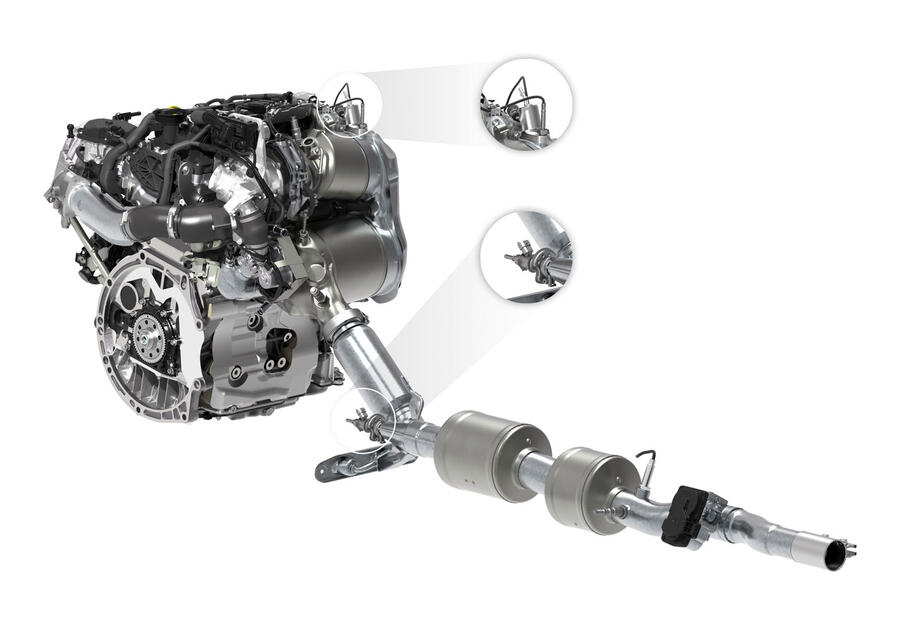
Conventional SCR catalysts for ridding the exhaust of NOx are normally close-coupled near the engine to work quickly after start-up. The trade-off is the exhaust is about 500deg C at that point but SCR is most efficient at 220-350deg C. VW’s twin-dosing set-up has another SCR catalyst behind the engine where exhaust is 100deg C cooler, giving a claimed 80 percent improvement over conventional, single-dose systems.

RELATED ARTICLES

The Man Who Steers Nine Out of Ten Cars
 Autocar Professional Bureau
19 Oct 2026
Autocar Professional Bureau
19 Oct 2026
How two quiet, fifty-year-old family suppliers, forging fifty million steering yokes a year for nine out of ten cars in ...


Inside India's ₹20-Lakh-Crore Auto Loan Boom
 Anurag Chaturvedi
18 Oct 2026
Anurag Chaturvedi
18 Oct 2026
Delinquencies are at multi-year lows, but there's no visibility on whether borrowers earn enough to service the debt.

Eicher Bets ‘De-Skilling’ Diagnostics Will Hook India’s Small Truck Fleets
 Shahkar Abidi
14 Oct 2026
Shahkar Abidi
14 Oct 2026
Commercial vehicle maker aims to double parts revenue to Rs 5,000 crore by automating diagnostic and warehouse operation...