

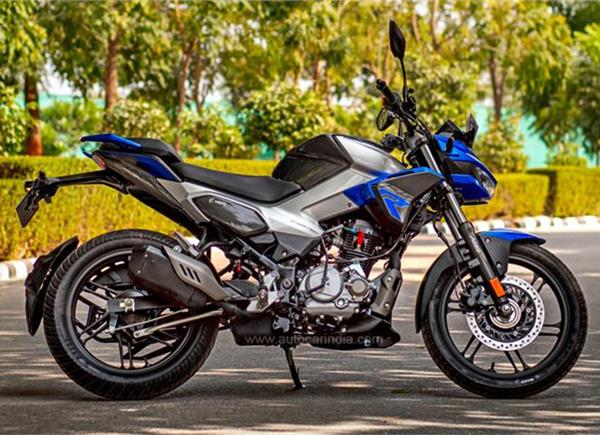
There is a structural difference between the Indian and Chinese auto industries. For instance, in two-wheelers, the segment’s structure in China is so different that nearly 75 to 80 percent of bikes made there could be considered counterfeits of some Honda variant or the other.
There are counterfeits of other companies such as Suzuki and Yamaha as well. India is the largest motorcycle market for branded products. It continues to have huge growth potential as the vehicle parc bike motorcycles is about 55 per 1000 people.
QUALITY OF TESTING
One also cannot be sure about the quality of testing or homologation of Chinese vehicles. This was seen with products of initial Chinese entrants in India. Though Chinese state-owned enterprises (SOEs) certify that they comply with emission norms, one cannot be sure. There is no proper governance procedure. I have seen employees of small SOEs sitting on the floor and welding motorcycle frames though these companies had very good paint shops.
While Indian bikes carry a warranty of 30,000 km, no company in China gives warranties of over 5,000 to 10,000 km. So, if you go and market two-wheeler parts in China and offer a 30,000 km guarantee, it does not mean anything to them as the rest of the vehicle would fall apart at 10,000 km or earlier! The Chinese are not going to remain this way. They are improving and realise that they need to get out of counterfeiting promote their own brands.
The commercial vehicle industry is the most protected sector in China. It is difficult for an overseas manufacturer to make a breakthrough and manufacture there. Of course, the car segment has been growing at a phenomenal rate. In the early years, the Chinese invited companies to participate in the manufacture of cars through joint ventures. VW was one of the initial entrants with the Shanghai Auto Industrial Corporation (SAIC) which assured the carmaker about $3,000-$5,000 profit per vehicle.
VW'S SORRY SAGA
Today, the scenario is changing. VW’s market share, in a high growth phase, is down to 17 percent from 44 percent. About three years ago, the company planned to invest around $3 billion and has now lowered this commitment. Why? There is a structural change happening. Earlier, buying was mainly done by state-owned corporations and most cars produced were in the luxury and mid-size segments. Now, with greater purchasing power and an appreciation for mobility, it is the individual who is buying despite not having easy access to finance.
The Chinese are very clear about their aspirations. They recognise that the auto industry is the key growth driver and I have validated this view in my discussions with the Chinese Ambassador to WTO in Geneva and also with senior officials of SAIC and BAIC. Having recognised this they have a policy which they are trying to deploy. How are they going about it?