



 Follow us
The future of Mobility Won’t be Decided by One Technology
India's transport sector will need multiple powertrain technologies, each suited to different vehicle segments, geographies and use cases.
 28 Nov 2026
 1 Views
Share -


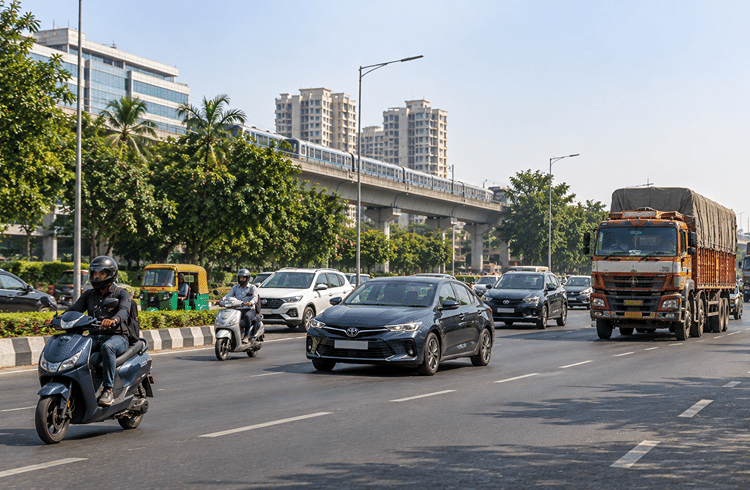
The future of mobility is often portrayed as a race with a single winner: the electric vehicle. But India’s automotive transition is likely to be more complex. From electric two-wheelers navigating urban traffic to commercial vehicles transporting goods across the country, different applications will demand different technological solutions, shaped by affordability, infrastructure, operating conditions and emission norms.
The question is no longer simply which powertrain will dominate, but how the automotive industry can make every available technology cleaner, more efficient and commercially viable.
Multiple Pathways to Cleaner Mobility
Electric vehicles are central to the decarbonisation agenda, but their adoption varies across vehicle segments and regions. Charging infrastructure, upfront costs, driving patterns and access to reliable electricity influence the pace of transition.
Hybrids offer another pathway by combining electric propulsion with an internal combustion engine. Alternative fuels, including ethanol blends, can also help reduce dependence on conventional fuels and potentially lower emissions, depending on the fuel pathway and engine technology.
Meanwhile, improvements in fuel injection, combustion management and exhaust after-treatment continue to offer opportunities to improve the efficiency of conventional engines.
These technologies need not be viewed as mutually exclusive. India’s diverse transportation requirements make a multi-technology approach relevant, with solutions evolving according to the needs of individual applications.
The Changing Role of Component Manufacturers
This transition is transforming the automotive components industry. Manufacturers must continue improving technologies used in existing vehicles while developing capabilities for emerging powertrains.
Precision fuel systems, pumps, valves and emissions-control technologies remain important for combustion engines. Electrified vehicles create demand for specialised components, including electric coolant pumps, sensors and electronic control systems, depending on vehicle architecture. Hybrid platforms require the seamless integration of electrical and mechanical systems.
The convergence of mechanical engineering, electronics and software is consequently becoming a defining feature of automotive innovation.
Innovation Must Remain Affordable
Technology adoption ultimately depends on commercial viability. Solutions must deliver measurable improvements in efficiency, performance and reliability without making vehicles prohibitively expensive.
For component manufacturers, this means balancing precision engineering with cost optimisation, durability, quality and scalable production. Investments in research and development, testing, specialised skills and collaboration with original equipment manufacturers will be essential.
India also has an opportunity to move beyond its reputation as a cost-efficient manufacturing base and strengthen its position as a source of automotive engineering and product development. Suppliers that can anticipate technological shifts and develop application-specific solutions will be better placed to participate in global supply chains.
Engineering the Transition
The long-term objective of mobility innovation is not simply to replace one propulsion technology with another. It is to make transportation cleaner, safer, more efficient and accessible.
Electric vehicles, hybrids, alternative fuels and more efficient combustion technologies will contribute differently to this transition. Their environmental benefits will depend on factors such as energy sources, fuel production, vehicle usage and lifecycle emissions.
For India’s automotive component industry, the challenge is to prepare for this changing landscape without losing sight of present requirements.
The future may not belong to a single powertrain technology. It may belong to companies capable of innovating across technologies, translating engineering advances into practical solutions and helping make the transition to cleaner mobility commercially sustainable.
Adithya Jayakar is the Deputy Managing Director of UCAL Ltd. Views expressed are the author's personal.

RELATED ARTICLES

The Future of Urban Mobility Is About Connecting the Dots
 Autocar Professional Bureau
22 Nov 2026
Why India's sustainable mobility transition must go beyond electric vehicles to create an integrated, shared transport e...


The Missing Link in India’s EV Transition: Affordable Credit for Small Mobility Entrepreneurs
Autocar Professional Bureau
22 Nov 2026
India's EV transition hinges not just on affordable vehicles, but on accessible financing that allows drivers and small ...

Let’s Make India the EV Manufacturing Hub for the World
Autocar Professional Bureau
21 Nov 2026
India’s automotive industry has evolved into a global component supplier through technology partnerships and localisatio...

