Trump's Latest Tariffs Don't Cover Auto and Auto Parts: ACMA

It said that these are already subject to 25% tariffs due to an earlier order, and are therefore not covered by Wednesday's order.

Sreejith RajanBy Sreejith Rajan calendar 03 Apr 2025 Views icon3197 Views Share - Share to Facebook Share to Twitter Share to LinkedIn Share to Whatsapp
Trump's Latest Tariffs Don't Cover Auto and Auto Parts: ACMA

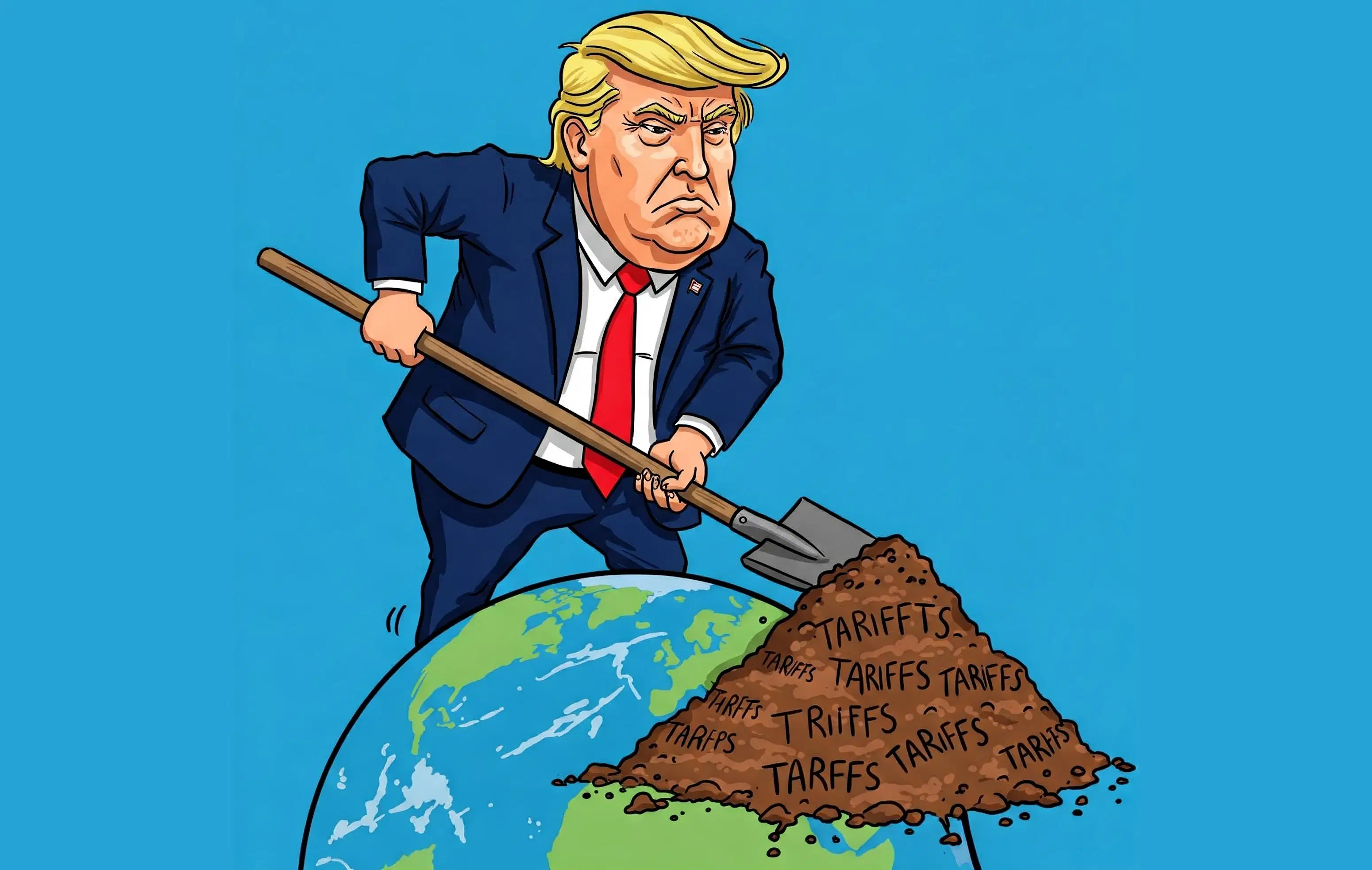
Addressing concerns of a 'double whammy' on the Indian auto sector, the Automotive Component Manufacturers Association of India has clarified that the latest move by the Donald Trump administration in the US to impose 26% tariffs on nearly all Indian exports to the US other than pharmaceuticals does not cover auto and auto parts.

"Autos & auto parts and steel & aluminium articles, already subject to Section 232 tariffs at 25%, announced earlier in President Trump’s order on March 26, 2025, are not covered in the aforementioned order. The detailed list of auto components that will be subject to 25% import tariff in the US is however awaited," it said.

The move is part of Donald Trump's attempt to rebalance trade and cut the US' trade deficit with the rest of the world.

The US had a merchandise trade deficit of a whopping $1.2 trillion with the rest of the world in 2024, up from $1.06 trillion, leading to the accumulation of dollars outside the country and posing a long-term threat for the US. The gap has been wideing, and for January this year the country had a goods deficit of $156.8 billion, leading to alarm bells ringing in the administration.

India is a significant but relatively smaller contributor to the U.S. goods trade deficit compared to other major partners. In 2023, the U.S. merchandise trade deficit with India was $43.7 billion, with imports from India at $87.4 billion and exports to India at $43.7 billion. For 2024, the deficit with India grew to $45.7 billion, reflecting imports of $91.4 billion and exports of $45.7 billion. 

Given that US' goods trade deficit with India is around 50%, Trump seems to have imposed tariffs of around half of that figure, or 26%, on Wednesday. 

Countries, such as the UK, with which the US has a trade surplus, have only seen the minimal 10% tariffs imposed, while China, the biggest contributor to the US goods trade deficit accounting for nearly 25% of US's total deficity, has been hit with an additional 34% over and above the 20% imposed earlier.

ACMA said it understand the US' concerns over the widening trade deficit, and hopes the matter can be resolved going forward.

"We understand the intent of the U.S. administration to boost domestic manufacturing and address trade imbalances. ACMA remains hopeful that the ongoing bilateral negotiations between the Indian and U.S. governments will lead to a balanced resolution that benefits both economies," said Shradha Suri Marwah, ACMA President and CMD of Subros Ltd.

The potential impact on India's auto component industry could be significant. According to ACMA data, the industry recorded a combined turnover of USD 74.1 billion in FY2024, with exports totaling USD 21.2 billion. The United States represents a major market, with India exporting USD 6.79 billion worth of auto components to the U.S. while importing only USD 1.4 billion, creating a substantial trade surplus in India's favor.

ACMA represents over 1,000 manufacturers who contribute more than 90% of the auto component industry's turnover in India's organized sector.


RELATED ARTICLES
Haryana Raises Minimum Wage 35% After Iran War-Driven Factory Unrest: Reuters

auther Autocar Professional Bureau calendar11 Apr 2026

Reuters reports that Haryana's wage hike, prompted by worker protests over Iran war-driven cost increases, will lift mon...

Delhi Proposes EV-Only New 3Ws by 2027, 2Ws by 2028

auther Mukul Yudhveer Singh calendar11 Apr 2026

Big EV push in Delhi as EV-only new registrations for 3Ws from 2027 and 2Ws from 2028 signal a shift from incentives to ...

Bosch and Qualcomm Expand Partnership to Cover ADAS

auther Sarthak Mahajan calendar11 Apr 2026

The two companies are broadening a collaboration that began with cockpit computers to now include scalable ADAS platform...