Follow us
Delhi Transport Department bans bike taxi
The National Capital Region joins states like Karnataka and Maharashtra who have recently banned bike taxi for commercial usage.
 20 Feb 2023
 7079 Views
Share -
7079 Views
Share -


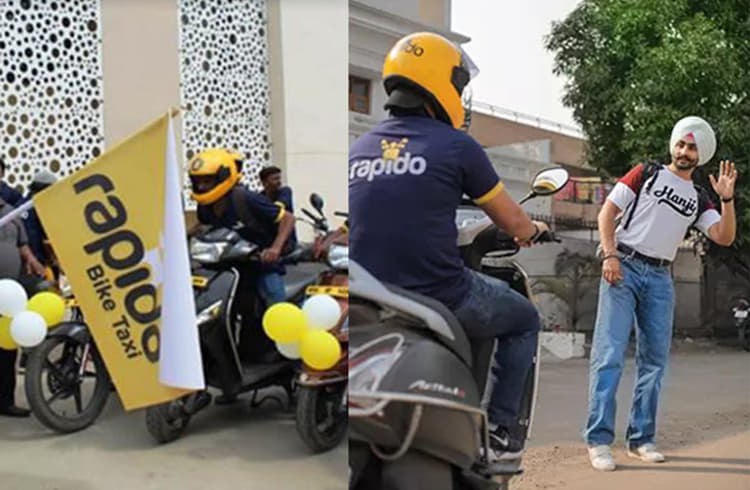
After being banned in Meghalaya, Karnataka & Maharashtra, the fledgling US$ 50.5 million Indian Bike taxi market has suffered yet another jolt with Delhi banning the commercial usage of bike taxis.
A public order of the Delhi Transport Department noted bike taxis in Delhi-NCR violated the Motor Vehicle Act, 1988, as the Act prohibits using two-wheelers for commercial purposes.
As per the latest order, the Delhi Transport department has banned Rapido, Uber and Ola from operating bike taxis in the countries' national capital with aggregators violating the order to be penalised with a fine of INR 1 Lakh.
According to the bike-taxi aggregators, each driver or captain receives a daily wage of ₹300 to ₹500 a day for short-distance travels such as three kilometers to eight kilometers. Also in many Indian cities consumers, especially office goers, in the metros have been rooting for bike taxis, unhappy with the monopoly and service rendered by taxi and rickshaw operators who refuse to take passengers for short last-mile trips.
Currently, the states that continue to allow bike taxis include Andhra Pradesh, Haryana, Gujarat, Telangana, West Bengal, Punjab, Rajasthan, Bihar and Madhya Pradesh.
According to research analysts, the Indian bike taxi market is expected to reach $1,478.0 million by 2030, registering a CAGR of 48.5% from 2022-2030.
It may have a big impact on players like Rapido which has raised over $300 million since its inception with marquee names like WestBridge, TVS Motor, Shell Ventures, and Nexus Ventures backing this last mile mobility company. Over 30 million consumers have hitched a ride on Rapido’s ride-hailing app and it claims to deliver over a million rides across 100 plus cities daily.
A transport industry expert told Autocar Professional, "Bike-taxi addresses urban mobility needs and is a relevant solution for mobility as a service helping consumers negate the rising fuel costs with lower prices. Easy maneuverability gives a big push for last-mile connectivity. Paratransit transportation services such as bike taxis have made transportation more affordable and accessible,” he said requesting anonymity.

RELATED ARTICLES

Tata Motors Expects EV Supply to Catch Up With Demand in 2–3 Months: Shailesh Chandra
 Darshan Nakhwa
27 Oct 2026
Darshan Nakhwa
27 Oct 2026
The company's EV bookings have tripled since February, while charging infrastructure, component availability and deeper ...


Beyond Subsidies: India Targets Rare-Earth Chokepoints, Cybersecurity and Overseas Plants in Next EV Policy Phase
 Shahkar Abidi
27 Oct 2026
Shahkar Abidi
27 Oct 2026
India is shifting EV policy focus from purchase subsidies to supply chain localisation, battery manufacturing, cybersecu...

Carmakers work Sundays, Holidays to Meet Festive Demand
 Ketan Thakkar
27 Oct 2026
Ketan Thakkar
27 Oct 2026
Maruti Suzuki’s October output could exceed 2.5 lakh vehicles, while Tata Motors has worked additional Sundays as manufa...