Follow us
Crisil forecasts balanced global semiconductor demand supply by FY 2026
Of late, improving supply and slowing demand for computers and mobile phones has led to the reallocation of chip supplies for other segments, particularly automobiles.
 By Autocar Professional Bureau
 4137 Views


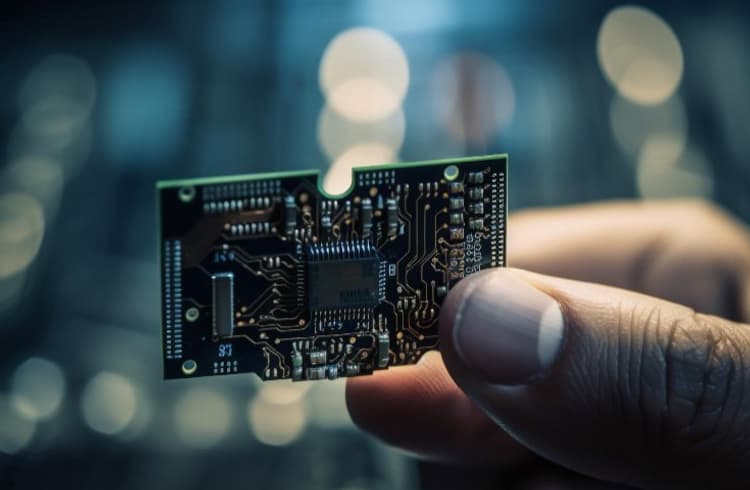
The global semiconductor shortage, which severely impacted automobile production and sales in India in fiscal years FY2021, FY2022, and a large part of FY2023, is showing signs of improvement. Supply-chain issues are being addressed, and the implementation of improved predictive demand forecasting is enabling more efficient production schedules.
According to rating agency Crisil, the demand-supply dynamics are projected to achieve a better balance by FY2026, as additional global manufacturing capacities are expected to become operational.
Chips possess distinct electrical properties that make them the cornerstone of all electronic equipment and devices, said a Crisil research note. Broadly, the computer and communication equipment (C&C) segment consumes 63% of chips produced, followed by automobiles 13%, and consumer and industrial segments 12%.
From the perspective of the auto industry, passenger vehicles (PVs) consume 1,500 chips on average, the highest among all automobile types. The chip requirement increases as more advanced electronic features are incorporated. Electric PVs use almost twice as many chips as internal combustion engine (ICE) PVs.
Of late, improving supply and slowing demand for computers and mobile phones has led to the reallocation of chip supplies for other segments, particularly automobiles.
Anuj Sethi, Senior Director, CRISIL Ratings, said, “The chip shortage faced by Indian passenger vehicle makers is easing, with current availability at 85–90% of the total requirement. The production loss on account of the chip shortage, which had halved to around 300,000 PVs on-year in fiscal 2023, is estimated to have further declined to under 200,000 PVs by the end of September 2023."
For the record, though most PV makers are currently operating at near optimal capacity utilisation due to stronger-than-anticipated demand, new orders to be serviced remain high at 700,000 at the end of September 2023, despite chip availability easing considerably.
Geographically, the chip ecosystem is skewed, with Western nations dominating chip architecture, design, manufacturing equipment, specialised materials, and chemicals. However, semiconductor fabs are concentrated in eastern nations, such as Taiwan and South Korea.
Given the criticality of chips in the defence and aerospace industries, the United States and the European Union have offered incentives of $100 billion for the localisation of semiconductor fabs. As a result, many global players are slated to spend $360 billion on setting up new facilities, which are set to become operational by fiscal 2026. This will then ensure a more balanced chip supply across countries.
In the Indian context, demand for chips will continue to increase over the medium term, driven by the gradual rise in EV adoption and growing demand for advanced feature-laden ICE vehicles.
Naren Kartic K, Associate Director, CRISIL Ratings, “India currently meets its chip demand through imports. The government has allocated $10 billion for the development of the semiconductor ecosystem in a bid to cater to rising demand and reduce import dependence. This includes offering incentives of up to 50% of the project cost to support the establishment of foundries. That said, given India’s nascent position in the field, successful joint ventures with established global players and the commissioning of facilities will be crucial.”

RELATED ARTICLES

Classic Legends Establishes Authorized Spare Parts Distribution Network for Jawa, Yezdi and BSA
 Dev Vadchhedia
 26 Oct 2026
The two-wheeler maker expands aftermarket part availability beyond dealer touchpoints.


Five Brands Control 83% of India's Electric Two-Wheeler Market Despite Expanding Model Choices: BCG
 Darshan Nakhwa
26 Oct 2026
Darshan Nakhwa
26 Oct 2026
The growing number of electric scooters and motorcycles has expanded consumer choice, but five brands continue to accoun...

Quick-Commerce Boom Creates New Demand Segment for India’s Electric Two-Wheeler Makers: BCG
Darshan Nakhwa
26 Oct 2026
Delivery riders travelling 400–500 km a week are emerging as a distinct customer group, with affordability, speed and ma...