

 Follow us
Coal India forays into non coal mineral mining: PTI
"This is the first mineral other than coal for us," the Director of Business Development at Coal India, Debasish Nanda noted.
 2943 Views


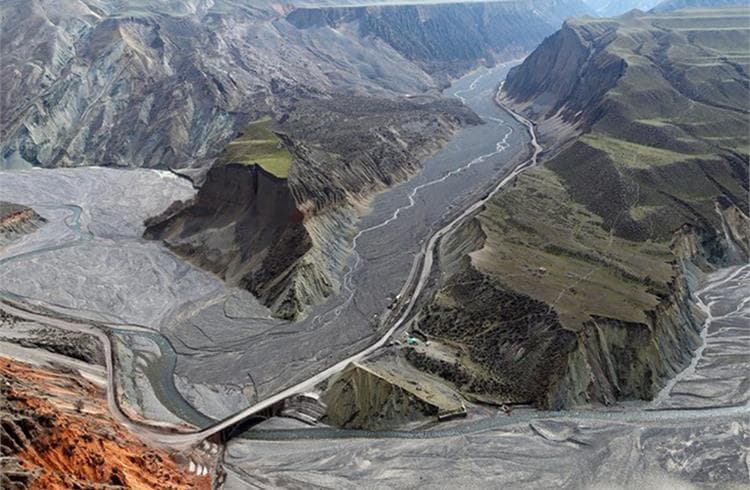
Representative image
Coal India is foraying into operations besides coal, on obtaining a composite licence for prospecting and mining of graphite, in the Khattali Chhoti Graphite Block in Madhya Pradesh, PTI reported.
"This is the first mineral other than coal for us," the Director of Business Development at Coal India, Debasish Nanda informed PTI.
The state-owned mining company is expected to give a mining premium of 150.05% of the value of minerals dispatched to the state government, PTI reported.
The timeline for the grant of the composite licence is one year and three years for the execution of the mining lease deed.
Coal India has established a special team to look at other critical minerals in India and overseas, dovetailing with the government's goal of an Atmanirbhar Bharat. Graphite has several applications, including in batteries, which becomes of crucial importance in the EV debate.
The company will leverage its coal mining expertise from its unit Central Mine Planning and Design Institute, in the early stages, Nanda informed PTI.

RELATED ARTICLES

Varroc Engineering Acquires 45% Stake in Forsee Power India for €4.5 Million
 Autocar Professional Bureau
 26 Oct 2026
The automotive component manufacturer expands EV powertrain business through investment in battery pack assembler.


Shanthi Gears Q2 Net Profit Falls 27% to Rs 15.71 Crore as Revenue Declines
 Dev Vadchhedia
26 Oct 2026
Dev Vadchhedia
26 Oct 2026
The industrial gear manufacturer reports a 29 percent drop in pre-tax profit due to lower top-line realization and highe...

Delayed Entry-Level Konarc Launch to Protect Margins Amid Supply Constraints: Ather CEO
 Darshan Nakhwa
26 Oct 2026
Darshan Nakhwa
26 Oct 2026
The electric two-wheeler maker has prioritised mid-range Konarc variants and delayed its entry-level model, while hundre...