



Mumbai’s electric bus operations reveal gaps between tender assumptions and real-world conditions, impacting energy use, service delivery, and financial models, and prompting operators to seek revised contracts and more sustainable bidding frameworks.
 17246 Views

Hundreds of silent, electric buses have replaced the raucous diesel engines of old, promised as the green panacea for Mumbai's chronic pollution and transit woes. But behind the sleek, zero-emission facades of these vehicles, a high-stakes mathematical discrepancy threatens to stall the electric vehicle (EV) transition's momentum.
For Mahesh Babu, the Managing Director of Olectra Greentech who took charge about five months ago, the challenge is reconciling the "reality gap" between paper-thin tender assumptions and the crushing operational reality of Indian urban density. Previously, he served as CEO of SWITCH Mobility and Managing Director of Mahindra Electric.
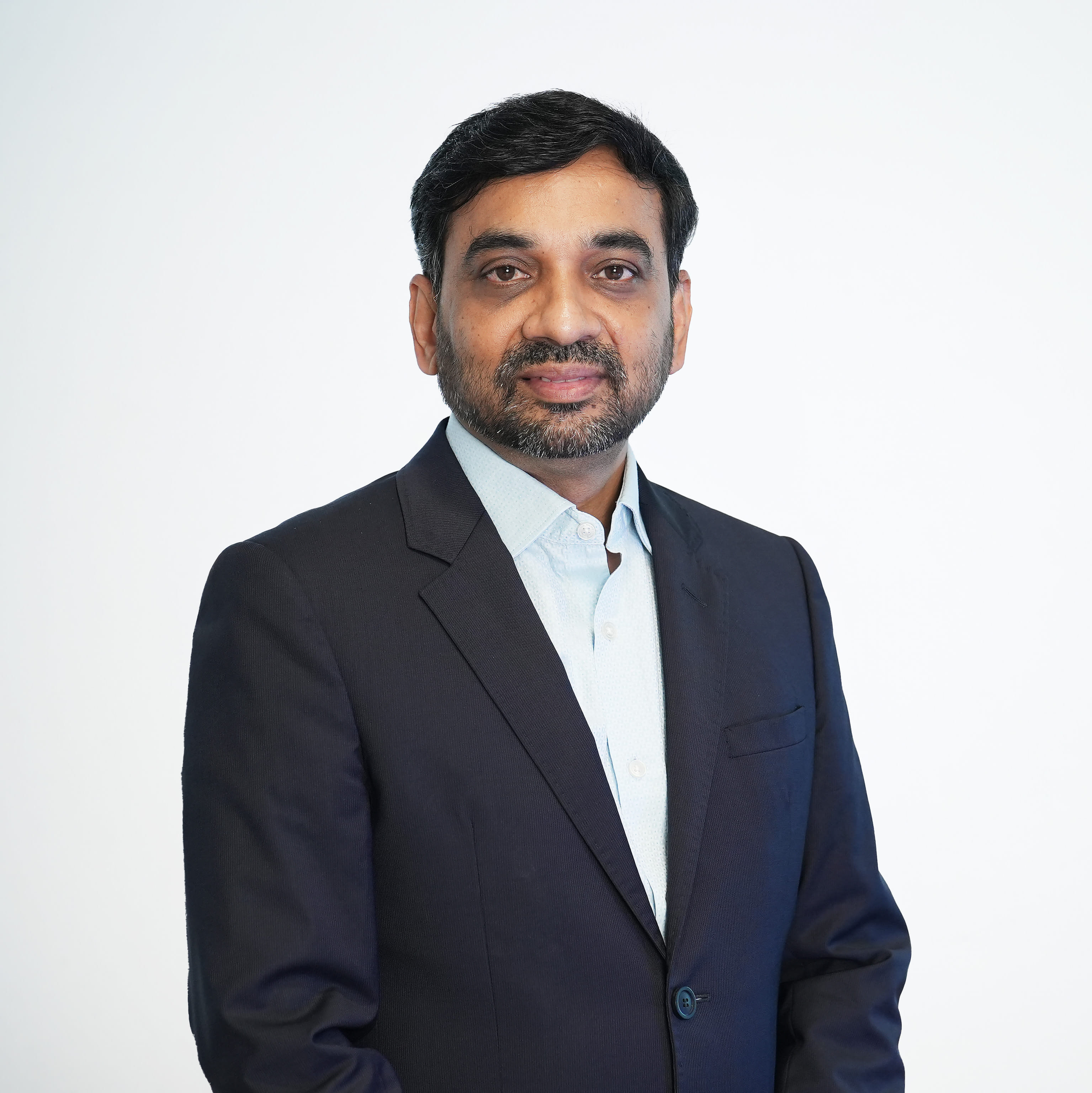 Mahesh Babu, Managing Director, Olectra Greentech
"The reality is that there is a gap in what is there in the tender and what is there in reality," Babu said.
While the original tenders specified a standard capacity of 58, the actual load factor on Mumbai’s streets has exceeded all projections with over 102 passengers. This massive influx of passengers, far beyond the rated capacity of a standard city bus, changes the entire physics of the vehicle. For an electric motor, every extra body is an additional drain on the battery, especially during the frequent stop-and-go cycles of Mumbai’s legendary traffic.
The Energy Calculus
The combination of extreme passenger loads and stagnant traffic speeds has decimated the original energy calculus used to justify the buses’ operational costs. Babu reveals that power consumption in these real-world scenarios is almost double what was originally estimated in the tender documents.
This surge in energy use has created a secondary crisis: the inability to meet "minimum assured kilometer" targets. In most Indian transit contracts, operators are paid based on the distance covered. However, if a bus consumes twice the projected power to move half the projected distance due to traffic and weight, the financial model collapses. The batteries deplete faster than planned, necessitating more frequent charging and reducing the time the vehicle is actually on the road earning revenue.
"We can't run so much because of the traffic in Mumbai plus the power load factor has substantially increased," Babu says, noting that the company has been providing detailed reports to the BEST to highlight these challenges.
Olectra is currently in discussions with BEST to address these operational variances. The company is seeking a reconciliation mechanism, a formal way to adjust payments and expectations when the ground reality significantly deviates from earlier assumptions.
Despite these frictions, Olectra has not halted its commitments. The company continues to supply vehicles in "small numbers" to demonstrate its commitment to the business while pushing for a sustainable resolution. The company currently has a total paper order book of over 10,000 buses. A significant portion of this volume, approximately 4,000 buses, is attributed to two large tenders for BEST.
Babu notes that newer tendering mechanisms, such as those led by Convergence Energy Services Limited (CESL), have become very robust by incorporating three to five years of market learning.
"All these learnings have gone into our calculation for future bidding," Babu says, explaining why the company has become more selective, even walking away from certain orders if the rates are aspirational rather than sustainable.
Operational Challenges
The going for Olectra Greentech has not been a smooth one. The company has encountered several operational, financial and contractual setbacks in recent years. Key issues include delivery delays, product quality failures, penalties, and profitability pressures amid competitive EV market dynamics.
To fund its production and capital-intensive operations, the company secured a Rs 10,000-crore line of credit specifically to address the debt portion of its funding requirements for various tenders. Managing the production cycle involves a critical "collect and redeploy" mechanism. The company must deliver buses, ensure they are put into operation, and collect payments to rotate working capital back into the next batch of production. Typically, in large orders such as 2,000 or 5,000 units, the ability to build more vehicles is directly tied to the successful collection of money from previously supplied ones.
Strategic Tweaks
In addition to the operational and financial changes, Babu is also implementing a strategic shift for Olectra Greentech: moving from a narrow focus on bus manufacturing to developing a comprehensive EV ecosystem that encompasses technology, infrastructure, and operational efficiencies.
He emphasizes that a successful EV business must function like a traditional Original Equipment Manufacturer (OEM) by working closely with established partners. He has actively moved to onboard 20 to 50 mainstream auto industry suppliers who were not previously part of Olectra’s network. By integrating these mainstream partners, the company aims to bring professionalized value addition and systems to its products, mirroring the backend efficiency of legacy automotive giants.
A critical component of Babu's ecosystem strategy is the distinction between manufacturing and fleet operations. The OEM should focus on technology, innovation, and product durability. Operations should be handled by specialists.
Olectra utilizes its separate entity, EV Trans, to manage fleet operations. Olectra manages around 3,600 buses and over 1,000 chargers across 100 locations. Babu explicitly welcomes outside operators and consortiums to enter the market. He argues that India’s EV transition cannot be driven only by OEMs and that a robust ecosystem requires various players to handle the operational side, while OEMs like Olectra provide the vehicles.
He is steering the company toward what he calls a pragmatic future, including a massive pivot toward localization and R&D. Olectra plans to invest approximately Rs 350 crore in R&D and new products over the next two years, moving from depending on BYD to leveraging BYD. Olectra is also looking to align its insulator business with the larger scheme of things.
A key part of this independence is developing an in-house battery assembly line using BYD’s 'blade battery' cells, which Babu claims will offer superior safety and life cycles. By controlling more of the technology stack, Olectra aims to better optimize vehicles for the unique stresses of the Indian market.
The Trucking Frontier
While the 'Mumbai Math Problem' persists in the bus segment, Olectra is already applying these operational learnings to its next big bet: electric trucks. The company has been conducting extensive pilot trials with about 100 tipper trucks in mining environments to gather knowledge on battery size and charging placement.
Babu sees huge potential in the captive and predictive use of trucks in construction and mining. By the last quarter of the next financial year, Olectra expects to launch its own IPR-owned trucks, including 55-ton tractor-trailers and 35-ton tippers. The goal is to enter the top three in the truck segment, mirroring their leadership in the bus market.
These trucks will be manufactured at the company's large plant in Seetharampur near Hyderabad, which is currently being retooled to produce both buses and trucks on new lines.
RELATED ARTICLES

The Man Who Steers Nine Out of Ten Cars
 Autocar Professional Bureau
 19 Oct 2026
How two quiet, fifty-year-old family suppliers, forging fifty million steering yokes a year for nine out of ten cars in ...


Inside India's ₹20-Lakh-Crore Auto Loan Boom
 Anurag Chaturvedi
18 Oct 2026
Delinquencies are at multi-year lows, but there's no visibility on whether borrowers earn enough to service the debt.

Eicher Bets ‘De-Skilling’ Diagnostics Will Hook India’s Small Truck Fleets
 Shahkar Abidi
14 Oct 2026
Commercial vehicle maker aims to double parts revenue to Rs 5,000 crore by automating diagnostic and warehouse operation...
