Follow us
Partner Content
BRANDED CONTENT - India’s E20 Push: How Lubrizol’s Additive Technology Is Enabling the Ethanol Fuel Transition
India’s E20 push has crossed 18% blending ahead of its 2030 target, cutting oil imports and emissions. But it brings engine challenges, driving the need for advanced additives from players like Lubrizol.
 964 Views


With expertise in fuel additives and engine oil formulations, Lubrizol provides solutions that maintain fuel stability, protect engine components, and support performance in ethanol-blended environments. As India accelerates toward widespread E20 adoption, additive innovation will be essential to ensure the transition delivers both sustainability and durability for the country’s evolving automotive ecosystem.
Ethanol's Strategic Advantage
Ethanol blending is not merely a technical exercise but a multi-dimensional strategy. Derived from sugarcane, maize, rice, and other biomass, ethanol offers cleaner combustion, lower greenhouse gas emissions, and higher octane levels than conventional petrol. While it carries a slightly lower energy density resulting in marginally lower mileage the trade-off is outweighed by the benefits: import substitution, improved air quality, and better income opportunities for farmers. By integrating agriculture with energy, ethanol blending brings a unique socio-economic advantage turning India’s farmlands into vital contributors to the nation’s fuel security.
Navigating the Technical Challenge
Higher ethanol blends such as E20 introduce new technical complexities for the automotive and fuel-refining ecosystem. Ethanol’s strong solvent nature, hygroscopic behaviour (water absorption), and compatibility challenges with certain elastomers and metals require significant innovation in fuel additives, lubricant chemistry and fuel system materials. Without proper mitigation, higher ethanol content can lead to:
Key Technical Risks With E20
- Corrosion in fuel system components
- Water absorption and potential phase separation
- Increased injector and intake valve deposits
- Reduced fuel efficiency and engine durability Addressing these challenges is essential to ensure that ethanol-blended fuels perform reliably across India’s diverse climatic conditions.
Lubrizol's Leadership in Compatibility Solutions
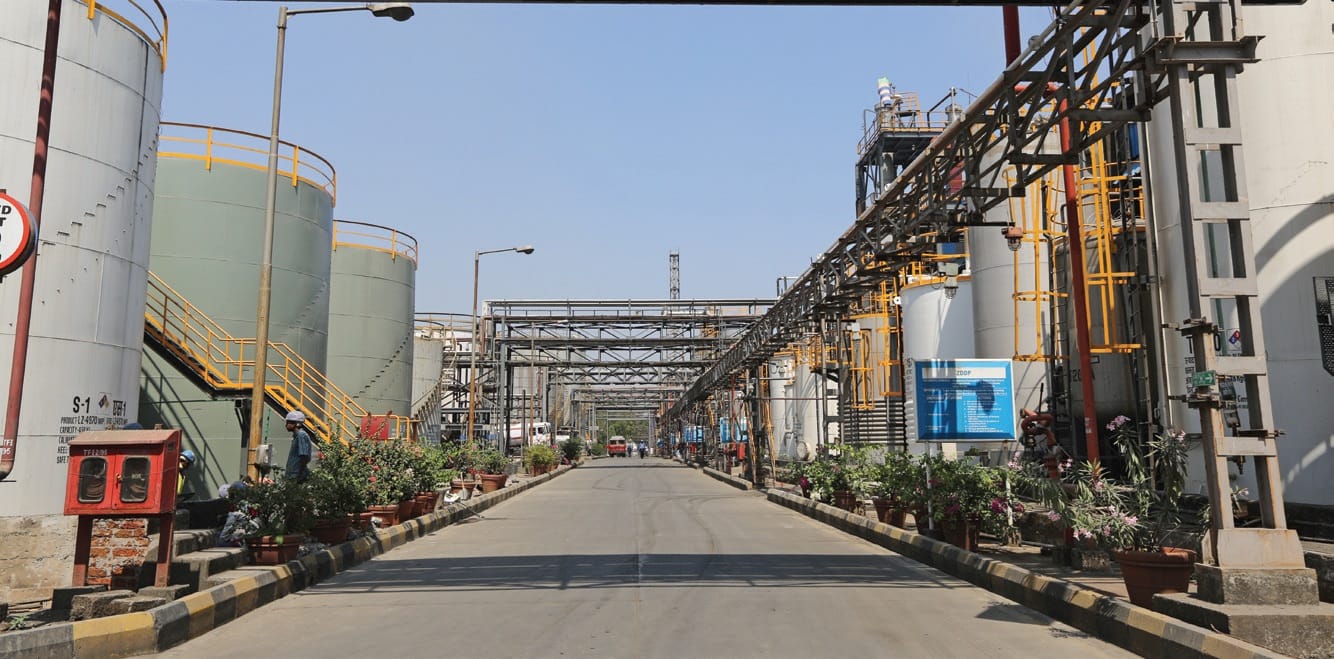 Lubrizol's additives facility in Navi Mumbai, India
The shift to higher ethanol blends has increased the demand for advanced additive technologies capable of protecting engines while maintaining fuel stability. Lubrizol, a global leader in lubricant and fuel additive chemistry, is playing a key role in enabling this transition. As fuel formulations evolve, additive packages must deliver multiple functions simultaneously:
Critical Additive Functions for E20
- Deposit control and fuel system cleanliness
- Corrosion protection for metallic components
- Anti-wear protection under harsher operating conditions
- Fuel stability and flow consistency
These requirements have become even more critical as modern gasoline engines adopt technologies such as gasoline direct injection (GDI), turbocharging and gasoline particulate filters (GPF), which create higher pressures and temperatures within the engine. Without adequate protection, these conditions can accelerate deposit formation and reduce engine efficiency over time.
Advanced Additives for Modern Engines
While traditional petrol additives have supported lower ethanol blends for years, E20 demands a new generation of additive technologies that can ensure stability and performance across varied operating environments. Lubrizol’s tailored additive solutions help:
- Prevent injector fouling and intake valve deposits
- Maintain optimal combustion efficiency
- Protect critical engine components from wear and corrosion
- Improve fuel stability across temperature extremes
Continuous use of advanced additives can significantly reduce intake valve deposits, helping maintain engine efficiency over long service intervals. Lubrizol’s proprietary additive technologies also provide scalable treat rates, allowing fuel marketers to tailor performance levels ranging from economical baseline protection to premium deposit-removal capability.
Key Additive Benefits
- Intake valve and GDI injector deposit protection
- Low-temperature valve sticking prevention
- Enhanced wear protection
- Flexible additive treat rates for multiple fuel grades
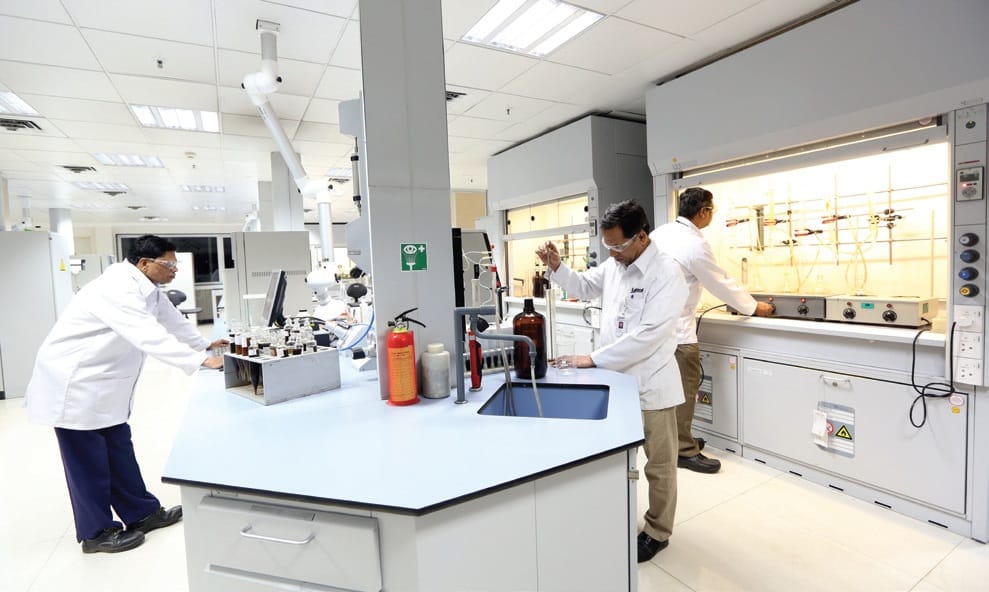 Lubrizol offers technology solutions across varied industry applications
Lubricant Technology Also Plays a Role
Ethanol-blended fuels can influence engine oil behaviour, particularly through increased water emulsification. Modern lubricant specifications such as API SN Plus, API SP and API SQ are designed to address these conditions, ensuring that engine oils remain compatible with ethanol-blended fuels while protecting critical engine components. Together, advanced fuel additives and next-generation lubricants form a comprehensive protection framework for E20-compatible engines.
Collaboration Across The Fuel Ecosystem
Beyond additive chemistry, the transition to E20 requires close collaboration across the mobility value chain. Lubrizol is actively working with:
- Oil marketing companies
- Refineries
- Automotive OEMs
- Service and maintenance networks
This collaboration helps ensure that fuel formulations, engine designs and service practices remain aligned as India scales up ethanol blending.
Sustainability as the Unifying Thread
India’s E20 rollout aligns with the global push toward decarbonisation and energy diversification. By improving the reliability and compatibility of ethanol-blended fuels, additive technologies help unlock several key national benefits:
E20's Broader Impact
- Lower carbon emissions
- Reduced dependence on imported crude oil
- Greater rural economic participation through agricultural feedstocks
Ensuring that these fuels deliver consistent performance is critical to sustaining the long-term success of the programme.
A New Era for Indian Mobility
India’s rapid progress toward E20 adoption represents more than a policy milestone—it signals a structural transformation of the country’s mobility and fuel ecosystem. At the intersection of chemistry, engineering and sustainability, companies like Lubrizol are helping bridge the gap between policy ambition and real-world performance. By ensuring that ethanol-blended fuels remain stable, efficient and engine-compatible, additive innovation is turning ethanol blending from a regulatory mandate into a practical and sustainable long-term solution for India’s automotive future.
"India is fast-tracking its E20 fuel roadmap, but higher ethanol blends demand smarter chemistry. Advanced additives are now essential to safeguard engine performance, fuel stability, and long-term durability across the automotive ecosystem."
— Nitin Mengi Chairman & Managing Director, Lubrizol India


RELATED ARTICLES

BRANDED CONTENT: AI is Redefining Automotive Chip Design
 Autocar Pro Branding Feature
 30 Sep 2026
Engineering teams turn to automation to balance thermal limits, functional safety, and real-time processing


BRANDED CONTENT: Software-Defined Vehicles Need a New Chip Strategy
Autocar Pro Branding Feature
29 Sep 2026
A transition from fixed ECUs to upgradable platforms changes long-term semiconductor sourcing for automakers.

BRANDED CONTENT: The Silicon Backbone of Next-Gen Mobility
Autocar Pro Branding Feature
28 Sep 2026
Complex software workloads elevate chip strategy from a component-level decision to a core business and engineering prio...