Follow us
The Role of Artificial Intelligence in Optimizing Electric Vehicle Performance
Electric vehicle sales in India reached a historic milestone, crossing the 2 million mark for the first time in CY2024.
 01 Apr 2025
 5949 Views
Share -
5949 Views
Share -


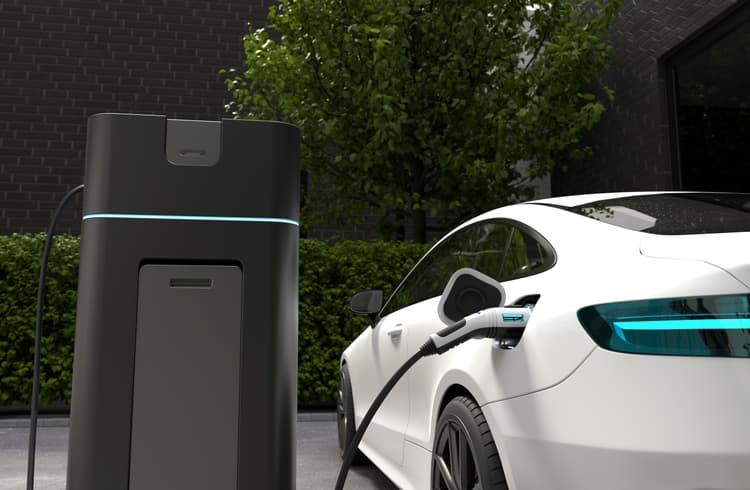
India’s electric vehicle (EV) landscape is evolving rapidly, driven by advancements in battery technology, smart energy management, and AI driven optimizations that make EVs more efficient, reliable, and accessible. The electric vehicle market size in India was valued at USD 8.49 billion in 2024 and is projected to grow at a CAGR of 40.7% from 2025 to 2030 according to a study of Grand View Research. From electric two-wheelers and fleet vehicles to compact urban mobility solutions like micro EVs, manufacturers are leveraging cutting-edge innovations to enhance range, safety, charging efficiency, and user experience.
Electric vehicle sales in India reached a historic milestone, crossing the 2 million mark for the first time in CY2024. In 2023, total EV sales were ~1.6 million units; Excitingly, in 2024 that figure surged to over 2 million units, marking a growth of 24% according to a study. As EVs become smarter, they are transforming daily commutes and fleet operations, paving the way for a more sustainable and technology-driven future. We will be discussing the role of AI in optimizing EV performance in this article.
Predictive Maintenance For Fewer Breakdowns and Cost Reduction
Predictive maintenance, a cornerstone of AI-powered EV optimization, uses machine learning algorithms to analyze data from various sensors in the vehicle to predict potential failures before they occur. Smart systems monitor battery health, motor performance, and key components, predicting issues before they arise. This proactive approach minimizes unexpected breakdowns, significantly reduces maintenance costs, and extends the overall lifespan of the vehicle. According to recent research, predictive maintenance can reduce maintenance costs by up to 20% and decrease vehicle downtime by nearly 50%.
AI-Powered Energy Management is Making EVs Go Farther
Advanced AI algorithms are at the heart of the extended range seen in modern electric vehicles. Intelligent energy management systems continuously monitor and adapt power usage based on real-time data, including driving behavior, road conditions, and weather. Coupled with improved battery management, these technologies enable EVs to travel significantly farther between charges. In India, the government's ₹109 billion investment in EV incentives and charging infrastructure reinforces this trend, paving the way for wider adoption. According to Industry data EV Adoption has reached 2.6% among passenger vehicles.
Smart Driving Assistance for Safer Roads
Smart Driving Assistance systems are proactively working to prevent accidents. Advanced Driver Assistance Systems (ADAS) offer features like lane-keeping, adaptive cruise control, and automatic emergency braking, all designed to mitigate risks. By utilizing sensors and cameras to detect obstacles and potential hazards, these systems significantly improve reaction times, leading to safer, easier, and more efficient driving.
Charging That Adapts to Your Needs
EV charging is evolving beyond simple plug-and-charge. Smart charging systems now analyze grid demand and electricity pricing, automatically adjusting charging parameters. Vehicle-to-Grid (V2G) technology empowers EVs to act as mobile energy storage units, contributing to grid stability and promoting the use of renewable energy sources.
A More Personalized and Connected Driving Experience
Modern EVs provide personalized driving experiences like Advanced voice recognition, predictive navigation, and intelligent climate control systems. Smart infotainment platforms integrate core functionalities like navigation, music, and communication, fostering a connected environment. Machine learning algorithms continuously analyze driving patterns, optimizing performance and enhancing smoothness.
The Future of AI-Powered EVs
The future of EVs is being driven by the power of AI. Innovations in battery technology, autonomous driving, and AI-powered traffic management will create a more efficient and sustainable transportation ecosystem. Research is pushing the boundaries of faster charging, self-healing batteries, and smart grids. The EV industry is poised for explosive growth, with 80 million EVs projected by 2030. AI is the catalyst, revolutionizing EV performance through predictive maintenance, energy management, and intelligent driving assistance. These technologies enhance vehicle longevity, efficiency, and safety, making EVs more practical and accessible for everyday use. As we scale our fleets, AI integration is essential for delivering smart, sustainable solutions for last-mile delivery and urban mobility.
Namit Jain is the founder of Zen Mobility. Views expressed here are the author's personal.

RELATED ARTICLES

Why AI Needs Location Reasoning for Real-World Navigation
 Autocar Professional Bureau
18 Oct 2026
Autocar Professional Bureau
18 Oct 2026
As agentic AI moves into transport and logistics, LLMs must partner with deterministic location layers to handle complex...


Right Target, Uneven Burden
Autocar Professional Bureau
18 Oct 2026
Delhi’s EV policy targets the right vehicles; the data show who pays.

Why India’s Multi-Fuel Future Needs Intelligent Infrastructure
Autocar Professional Bureau
17 Oct 2026
India’s transition to cleaner mobility is likely to involve petrol, diesel, CNG and electric power running in parallel, ...