Follow us
Maruti Suzuki recalls over 17,000 cars due to faulty airbags
Affected vehicle owners will be receiving communication from Maruti Suzuki authorized workshops for immediate attention.
 5403 Views


India's largest carmaker Maruti Suzuki on Wednesday recalled 17,362 cars due to a defect in the airbag controller.
As per a company statement, the affected models are Alto K10, S-Presso, Eeco, Brezza, Baleno and Grand Vitara manufactured between December 8 and January 12.
"The recall is being undertaken to inspect and replace Airbag Controller (“affected part”), free of cost, if required in these vehicles" the company said in a statement.
Maruti Suzuki further said that it is suspected that there is a possible defect in affected part, which in rare case might result in non-deployment of the airbags and seat belt pretensioners, in the event of a vehicle crash.
"Out of abundant caution, customers of the suspected vehicles are advised not to drive or use the vehicle till the affected part is replaced," the company mentioned.
Affected vehicle owners will be receiving communication from Maruti Suzuki authorized workshops for immediate attention, the carmaker added.

RELATED ARTICLES

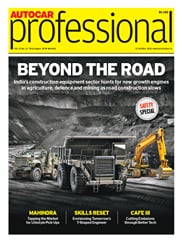
Autocar Professional’s October 15, 2026 Edition is out!
 Autocar Professional Bureau
 21 Oct 2026
Construction equipment, new technology, and safety take center stage in the latest issue.


Vienna Motor Symposium 2027 to Focus on SDVs, Batteries, and AI Data Center Power
Autocar Professional Bureau
20 Oct 2026
Organizers close paper submissions with contributions from global OEMs and universities, while 80 percent of exhibition ...

TVS Motor Redeems Short-Term Debt as CARE Reaffirms AAA Rating
Autocar Professional Bureau
20 Oct 2026
The rating agency reaffirms top investment grade on long-term bank facilities and debt instruments.