



 Follow us
Automakers to Push for EV-level Benefits for Plug-in Hybrids Under CAFE-III Norms
Carmakers with large petrol and diesel SUV ranges see the move as a way to meet tighter fleet fuel-efficiency targets from April 2027.
 By Shruti Shiraguppi
 1 Views


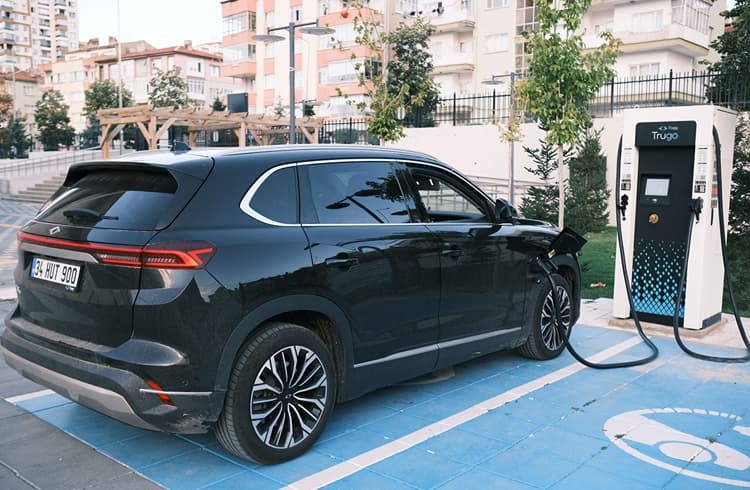
Indian automakers are preparing to seek regulatory benefits for plug-in hybrid electric vehicles (PHEVs) on par with those available to electric vehicles under the Corporate Average Fuel Economy (CAFE)-III norms, Moneycontrol reported.
According to the report, the move could help companies with substantial petrol and diesel SUV portfolios meet stricter fleet-level fuel efficiency requirements. Manufacturers want PHEVs placed alongside EVs and range-extended EVs (REEVs), arguing that plug-in hybrids can run entirely on electric power over shorter distances.
What the government has notified
The Ministry of Power notified the new CAFE norms for passenger vehicles on 30 September 2026. They take effect on 1 April 2027 and apply until 31 March 2032 to new passenger vehicles manufactured or imported for sale in India.
The fuel-consumption benchmark tightens from 3.996 litres per 100 km in 2027-28 to 3.3273 litres per 100 km in 2031-32, an improvement of around 16.7 per cent. The target line has been flattened to be more weight-sensitive, with softer targets for lighter vehicles and tougher requirements for heavier ones. The reference weight rises from 1,082 kg to 1,229 kg.
Where plug-in hybrids stand
Under the framework, battery electric vehicles, REEVs, PHEVs, strong hybrids and flex-fuel vehicles all receive “super credits” (volume derogation factors) in fleet-average calculations, an added incentive for makers to speed up deployment of cleaner technologies.
The credit a vehicle earns determines how much it eases a manufacturer’s compliance burden, which is why the gap between PHEVs and EVs matters to carmakers with heavy SUV line-ups.
Other compliance routes
Manufacturers can also use a Carbon Neutrality Factor for ethanol-blended petrol, biofuels and compressed biogas. The list of recognised fuel-saving technologies has been expanded from four to twelve, with a concession of 1 g CO₂/km per eligible technology, capped at 9.0 g CO₂/km.
Companies may comply over two-year or three-year blocks. Those that beat their targets earn credits that can be carried forward within a block. Those with a shortfall can use carry-forward credits, trade with other manufacturers, or buy credits through a buyout mechanism run by the Bureau of Energy Efficiency.
Fuel-economy reporting will be done under both the Modified Indian Driving Cycle and the Worldwide Harmonized Light Vehicles Test Procedure, and manufacturers selling fewer than 1,000 units a year are exempt from fleet-average obligations.

RELATED ARTICLES

Zelio E-Mobility Sells Over 62,000 Two-Wheelers in H1 FY27, Targets 125,000 Units by Year-End
 Dev Vadchhedia
 19 Nov 2026
The EV maker outlined its H1 FY27 two-wheeler and e-rickshaw volumes alongside full-year sales and revenue growth commit...


Zelio E-Mobility Targets One Million Annual Scooter Sales, 25% Market Share by 2030
Dev Vadchhedia
19 Nov 2026
The EV maker outlines long-term volume and share goals during its H1 FY27 earnings call alongside plans for high-speed m...

Tata AutoComp Unit Tata Toyo Radiators Wins Deming Prize
Dev Vadchhedia
19 Nov 2026
Tata Toyo Radiators becomes the fourth business unit under Tata AutoComp Systems to receive the Total Quality Management...

