

 Follow us
Stellantis Unveils Six Strategic Pillars To Drive Growth
The automaker’s new roadmap focuses on sharper brand management, disciplined capital allocation, partnerships, manufacturing optimisation and regional autonomy.
 1237 Views


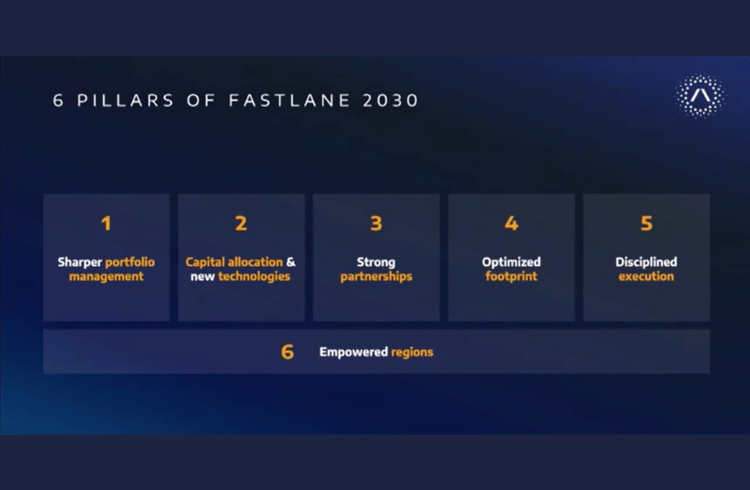
Stellantis has unveiled a six-pillar growth strategy under its new “Fastlane 2030” roadmap as the automaker attempts to restore profitability and improve competitiveness after a difficult 2025 marked by restructuring costs, slowing demand and uneven EV adoption.
Presenting the strategy during Stellantis Investor Day 2026, Chief Executive Officer Antonio Filosa said the global automotive industry had become increasingly fragmented, region-specific and technology-intensive, forcing automakers to rethink scale, localisation and partnerships.
“Competition is intense. Technology cycles are accelerating. And the external environment remains highly volatile,” Filosa said.
The company’s six strategic pillars include sharper brand portfolio management, capital allocation and new technologies, strong partnerships, optimised industrial footprint, disciplined execution and empowered regional operations.
Filosa said the strategy was built around Stellantis’ view that the industry is facing multiple structural shifts including rising Chinese competition, increasing cost pressures, uneven electrification trends and rapid advances in software and AI.
“Electrification continues, but the pace is different region by region,” Filosa said. “We need flexibility, speed and local execution.”
Focus On Fewer Core Brands
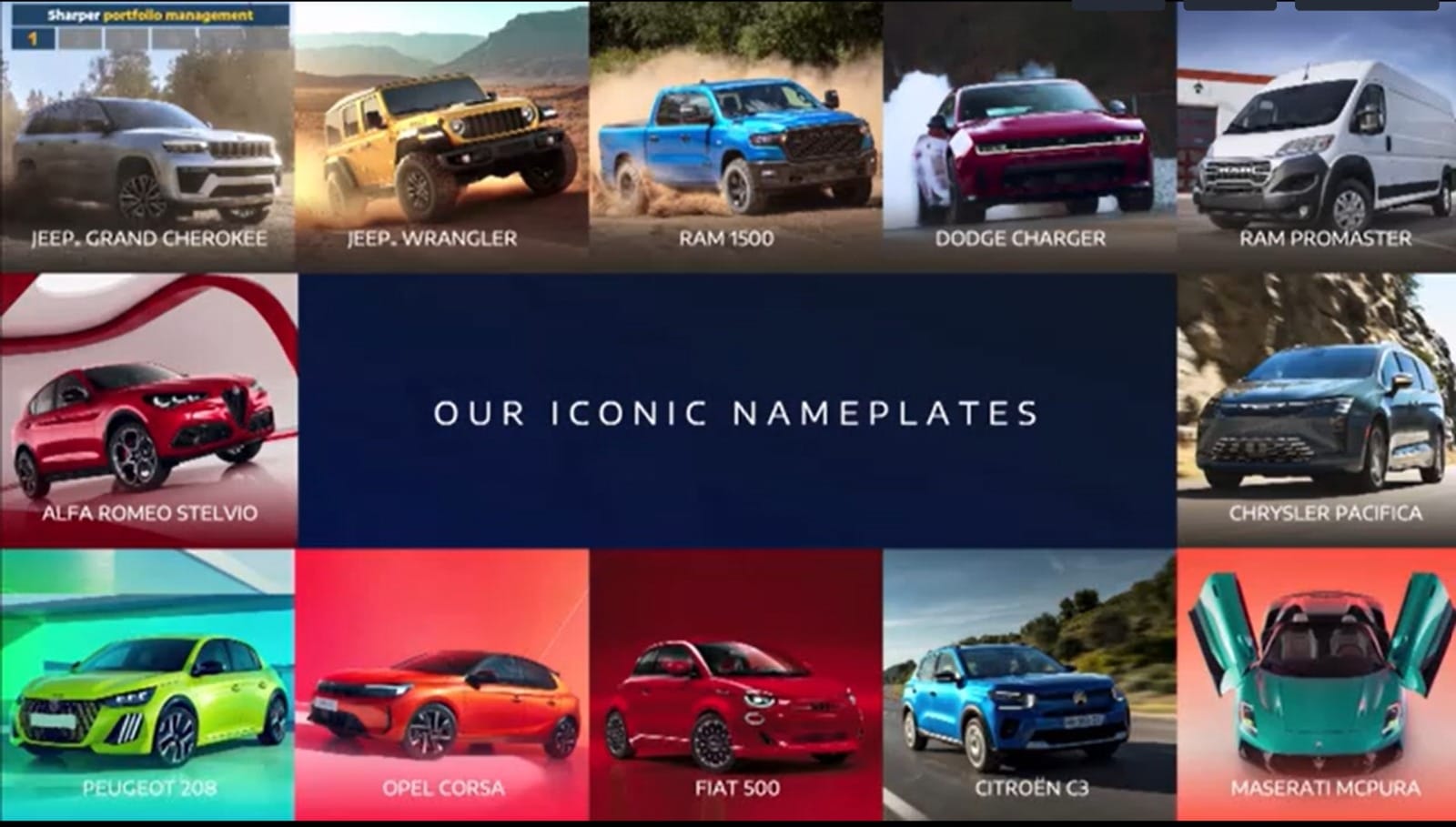
As part of the reset, Stellantis will prioritise four global brands–Jeep, Ram, Peugeot and Fiat–which the company sees as its largest and most profitable franchises.
Regional brands, including Chrysler, Dodge, Alfa Romeo, Citroën and Opel will operate with more market-specific positioning, while leveraging common global platforms, technologies and powertrains.
The company said iconic nameplates such as Jeep Wrangler, Jeep Grand Cherokee, Ram 1500, Dodge Charger, Fiat 500, Peugeot 208 and Citroën C3 would remain central to its future product strategy.
Stellantis also confirmed that Maserati will remain part of the group’s long-term plans, with two new E-segment luxury vehicles under development.
The company plans to launch more than 60 all-new products and 50 model refreshes by 2030, spanning battery-electric, hybrid, plug-in hybrid and internal combustion technologies.
€60 Billion Investment Push
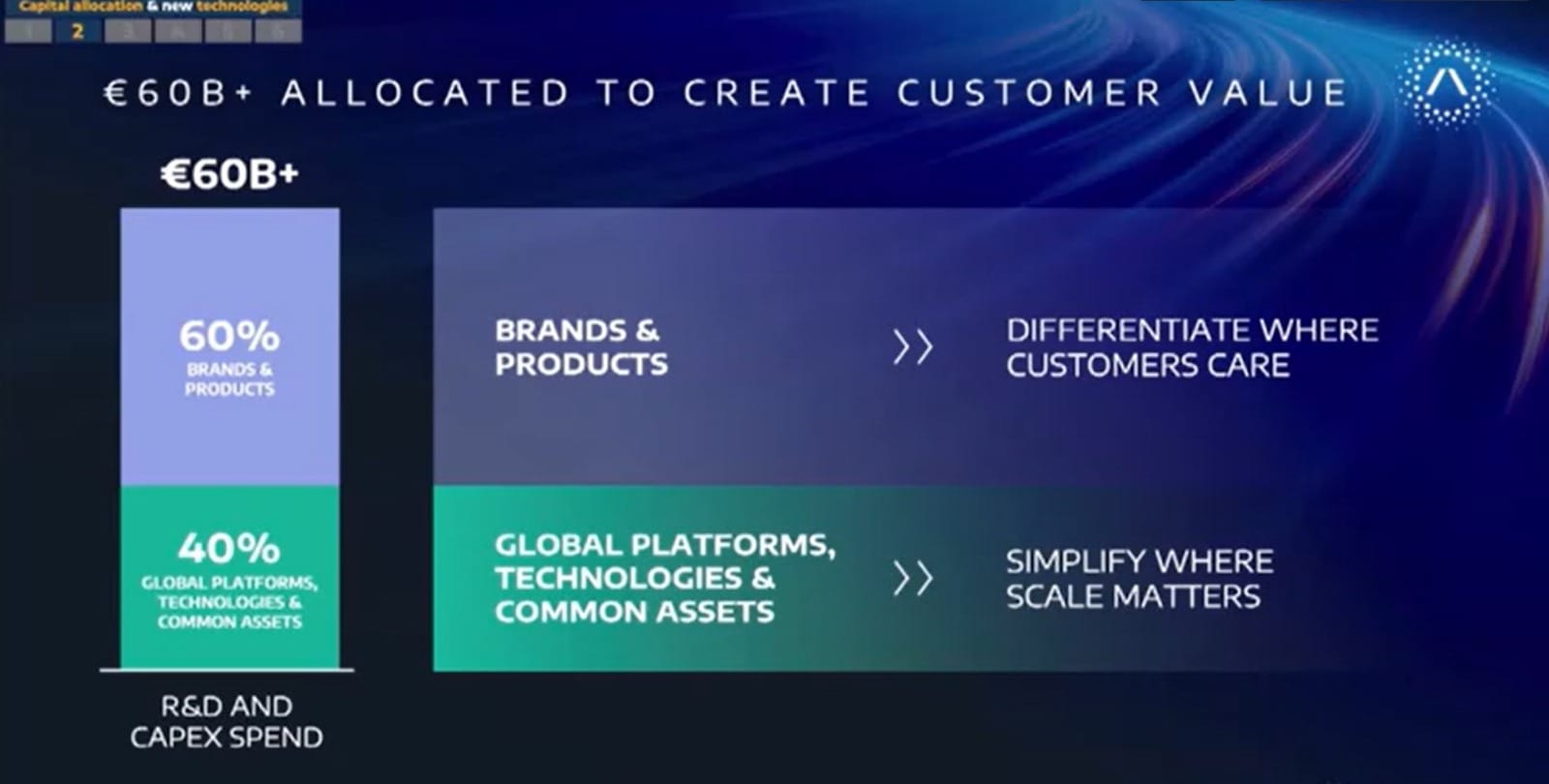
Stellantis plans to invest more than €60 billion by 2030, with 60% of spending directed toward brands and products and the remaining 40% allocated to global platforms, technologies and shared assets.
The automaker said the investments would focus heavily on software, AI, ADAS, smart cockpit systems and autonomous-driving technologies under the STLA Brain, STLA SmartCockpit and STLA AutoDrive architecture.
By 2030, Stellantis expects three global platforms to account for around 50% of annual production volumes, while 35% of vehicles will carry at least one of the group’s next-generation software technologies.
The company also plans to increasingly rely on cross-regional powertrains and multi-energy architectures to manage varying EV adoption rates globally.
Partnerships Take Centre Stage
Filosa said partnerships would play a central role in lowering development costs, accelerating technology access and improving manufacturing efficiency.
The company has expanded collaborations with Leapmotor and Dongfeng in China, while strengthening ties with Tata Motors in India and Jaguar Land Rover in the US.
In India, Stellantis said it plans to leverage manufacturing, sourcing and export synergies through its existing joint venture ecosystem.
The company also said partnerships would help improve competitiveness against rapidly growing Chinese automakers, especially in EVs and connected-car technologies.
Leaner Organisation, Regional Power
As part of the restructuring, Stellantis has simplified its leadership structure, reducing its top management team from 30 members to 15.
The company has also reorganised decision-making around regions, increasing regional operational influence from 40% to 60% in its management structure.
“Brands integrated in regions are closer to customers and more clearly differentiated,” the company said.
Filosa said Stellantis was shifting toward a more customer-centric and regionally empowered operating model to improve execution speed and local responsiveness.
ALSO READ:
Stellantis to Develop India-Made Jeep for Global Markets Through Tata Motors Partnership
Stellantis To Invest €60 Billion By 2030, North America Gets Biggest Share

RELATED ARTICLES

Audi Expects India's Luxury Car Sales Set to Hit Record 58,000 Units in 2026
 Darshan Nakhwa
 16 Oct 2026
The German carmaker plans to expand its showroom network in India from 28 outlets to around 40 by 2027 and more than 50 ...


Audi Launches New Q3 in India at ₹51.99 Lakh
Darshan Nakhwa
16 Oct 2026
Locally assembled luxury SUV gets a 2.0-litre turbo-petrol engine producing 204 PS power and 320 Nm torque.

Hero MotoCorp Launches Updated Xtreme 160R 4V and Xtreme 250R
 Dev Vadchhedia
16 Oct 2026
Dev Vadchhedia
16 Oct 2026
Introductory pricing starts at Rs 1.27 lakh for Xtreme 160R 4V and Rs 1.98 lakh for Xtreme 250R.